-
5.0 Stars ⭐⭐⭐⭐⭐ 628 Google Reviews

ChrisW
-
Posts
415 -
Joined
-
Last visited
-
Days Won
30 -
Country
United Kingdom -
Carnity Points
1,425 [ Donate ]
Content Type
Profiles
Forums
Advice
Complete Onboarding & Agree to Club Rules & Guidelines
Marketplace
STORE
Events
Gallery
Blogs
Everything posted by ChrisW
-
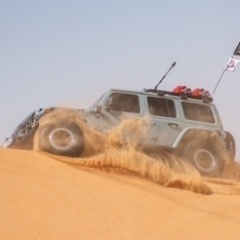
IMG_8154.jpeg
ChrisW posted a gallery image in Fewbie Plus - Faya to Al Khatim Express - Abu-Dhabi - 07 Dec 2025
-
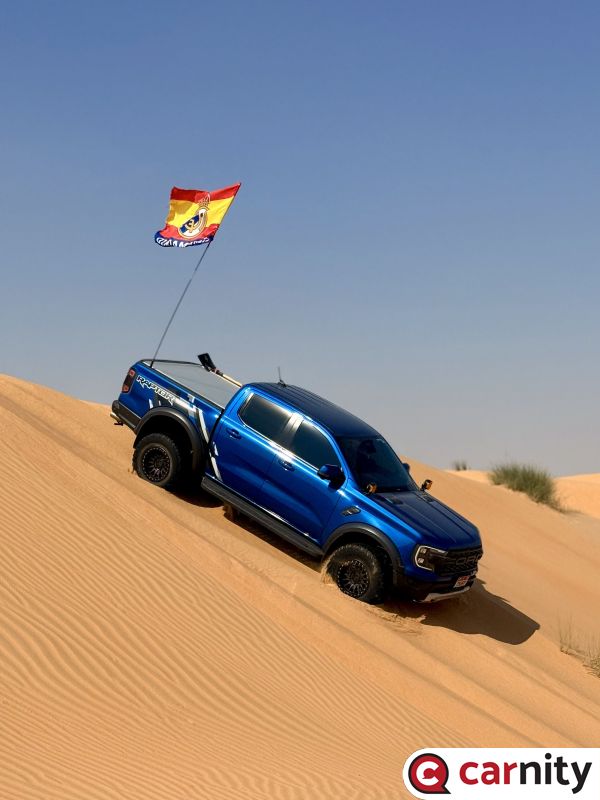
IMG_8156.jpeg
ChrisW posted a gallery image in Fewbie Plus - Faya to Al Khatim Express - Abu-Dhabi - 07 Dec 2025
-
-
-
-
-
-
-
-
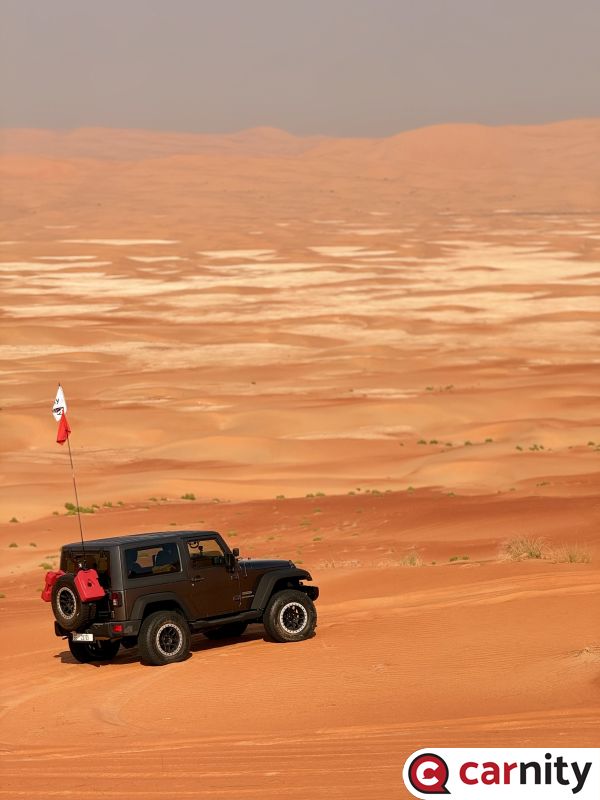
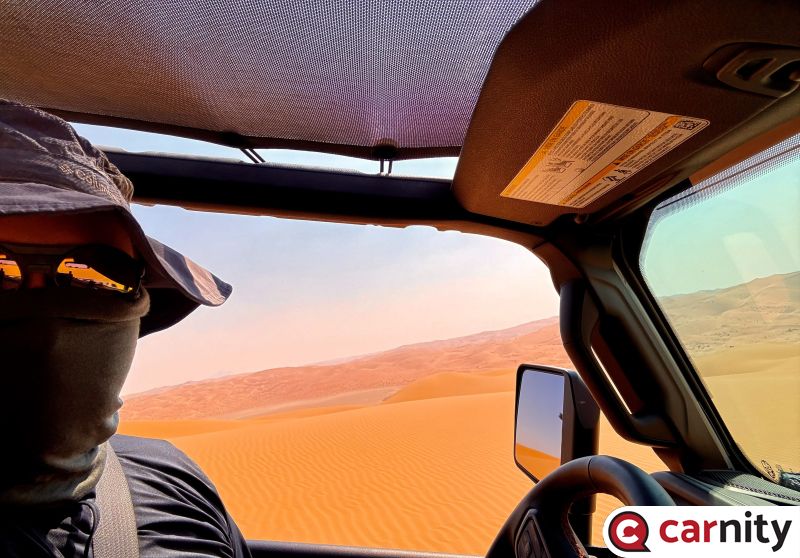
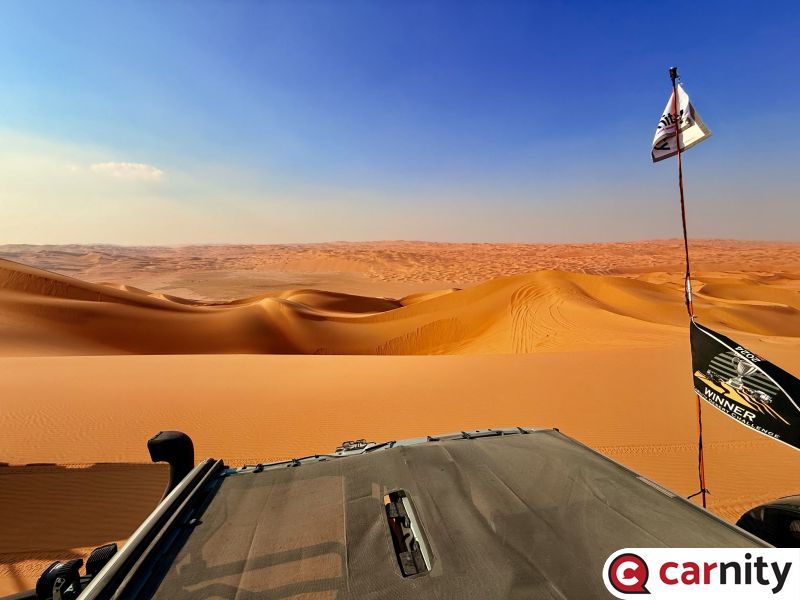
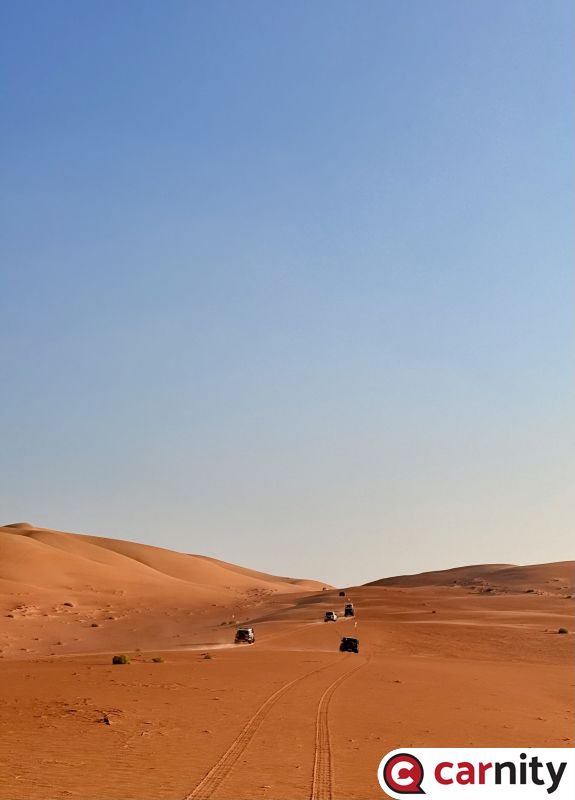
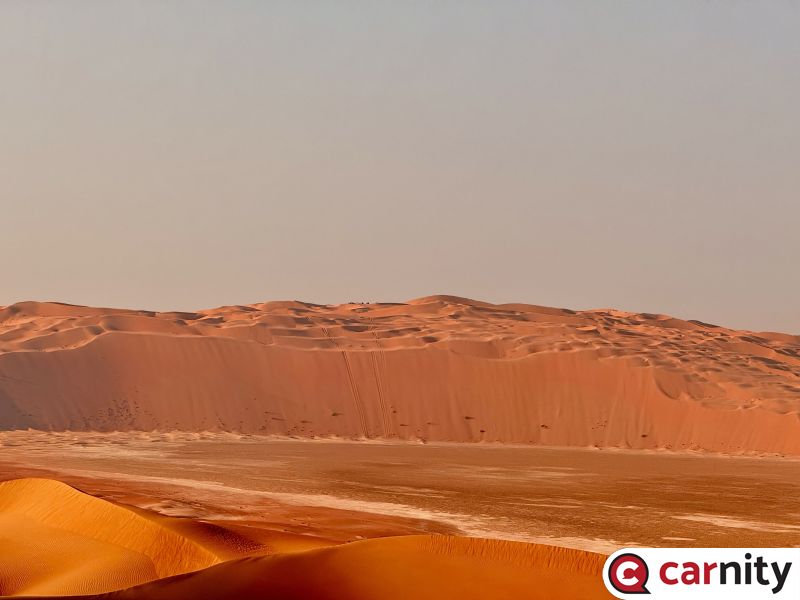
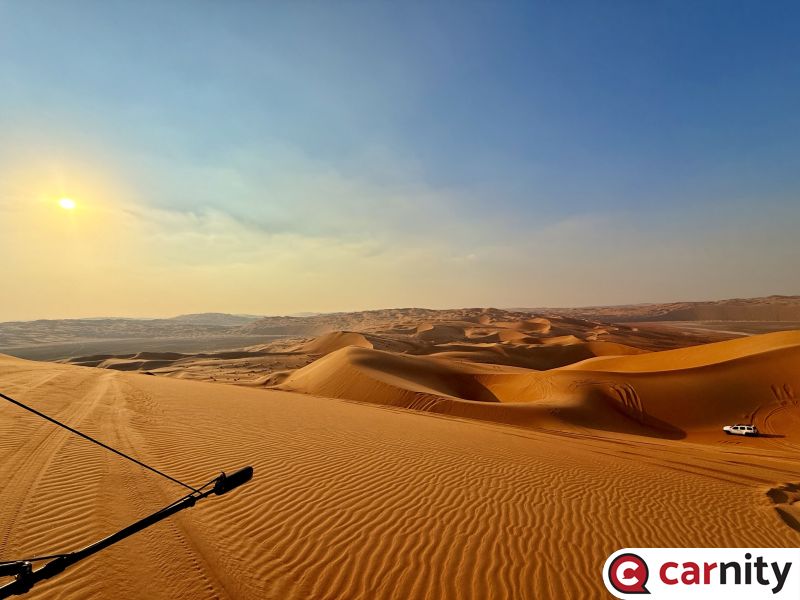
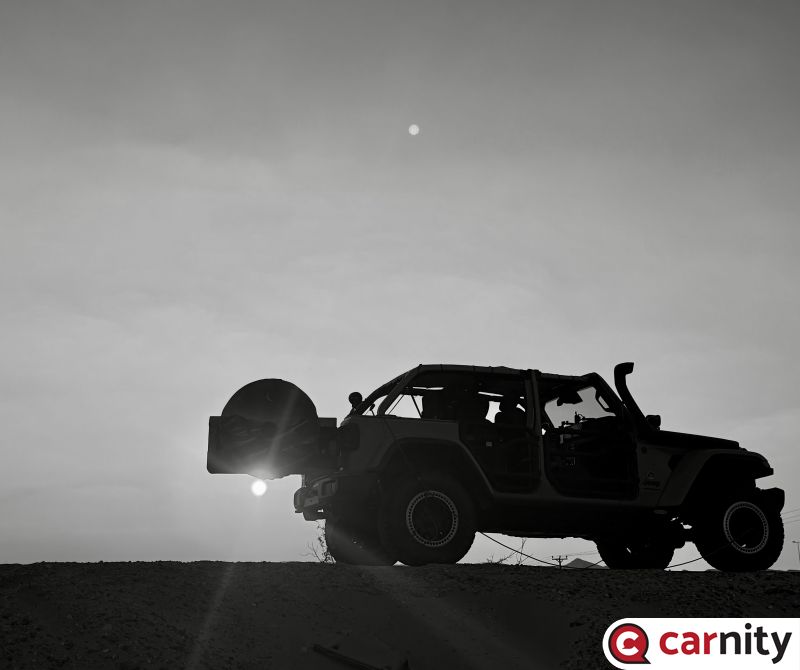
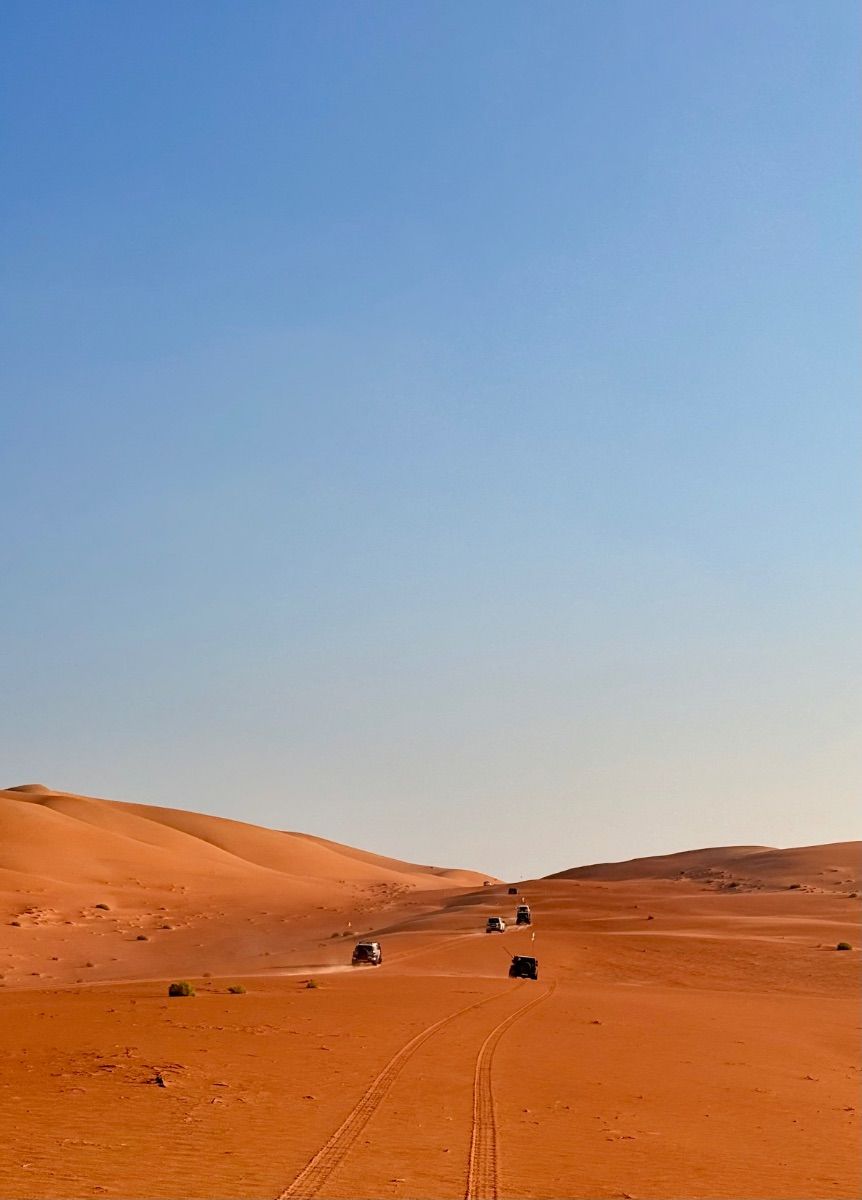
Well, it’s taken a couple of days to come back to it, but that was an excellent drive for many reasons. First and foremost, thank you to @Asif Hussain for the experienced and calm leadership. I really liked the point you made in our opening brief - Liwa is nothing to be scared of, but it will test us. …and it did! For many it was their first time down there - well done, everyone kept calm and put their earlier experience to work. Whilst our initial progress was problematic, once everyone had become fully accustomed to their cars, the sand and the scale, the second half flowed far better. It was great seeing you again @Zed and thank you kindly for the tailgate buffet! @Aser thanks for keeping me company down the back too! Here’s a short video with some highlights of our trip:
-
Hey @Krinesh - we can do but I’m not sure it would be very useful. Drives in locations like Liwa tend to be quite dynamic, and a route that’s good on one day will not work even as little as a week later. Today’s drive had some especially tricky spots, and I wouldn’t recommend doing it without very experienced people in the convoy (eg. we had a number of areas where we stood outside the car and coached people one-by-one through certain difficult areas). If you’d like some advice about how to sample Liwa more generally though, I’d definitely recommend making a standalone post in the forum and asking for people’s advice on where’s good, what to expect etc. Just as a general note - Liwa is nothing to be scared of, but it is only somewhere that can be fully enjoyed when all of the fundamental skills we practice in our local areas have been fully practiced and rehearsed.
-
@Ale Vallecchi - Would you be interested in another support team member joining? I have added myself to the waitlist!
-
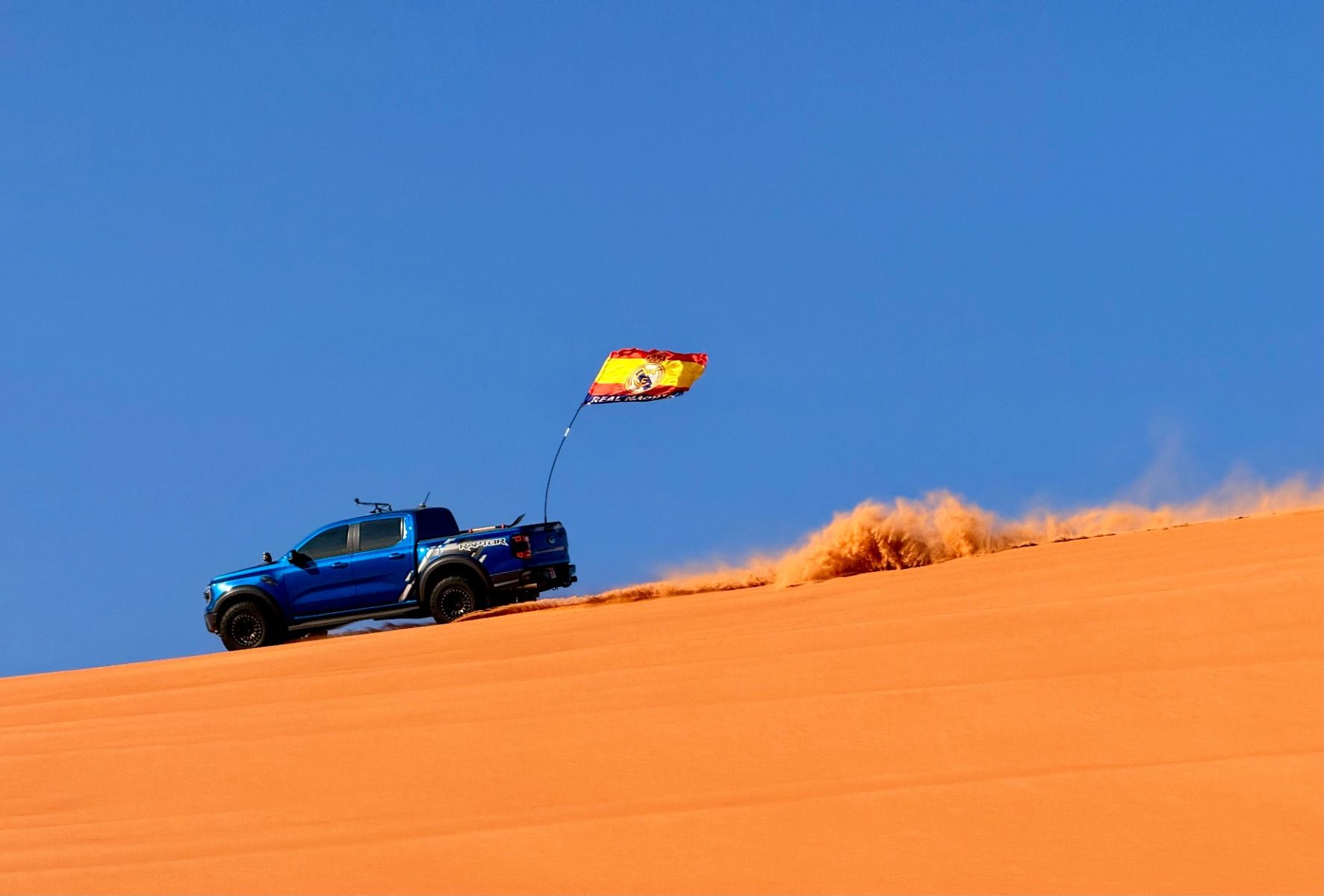
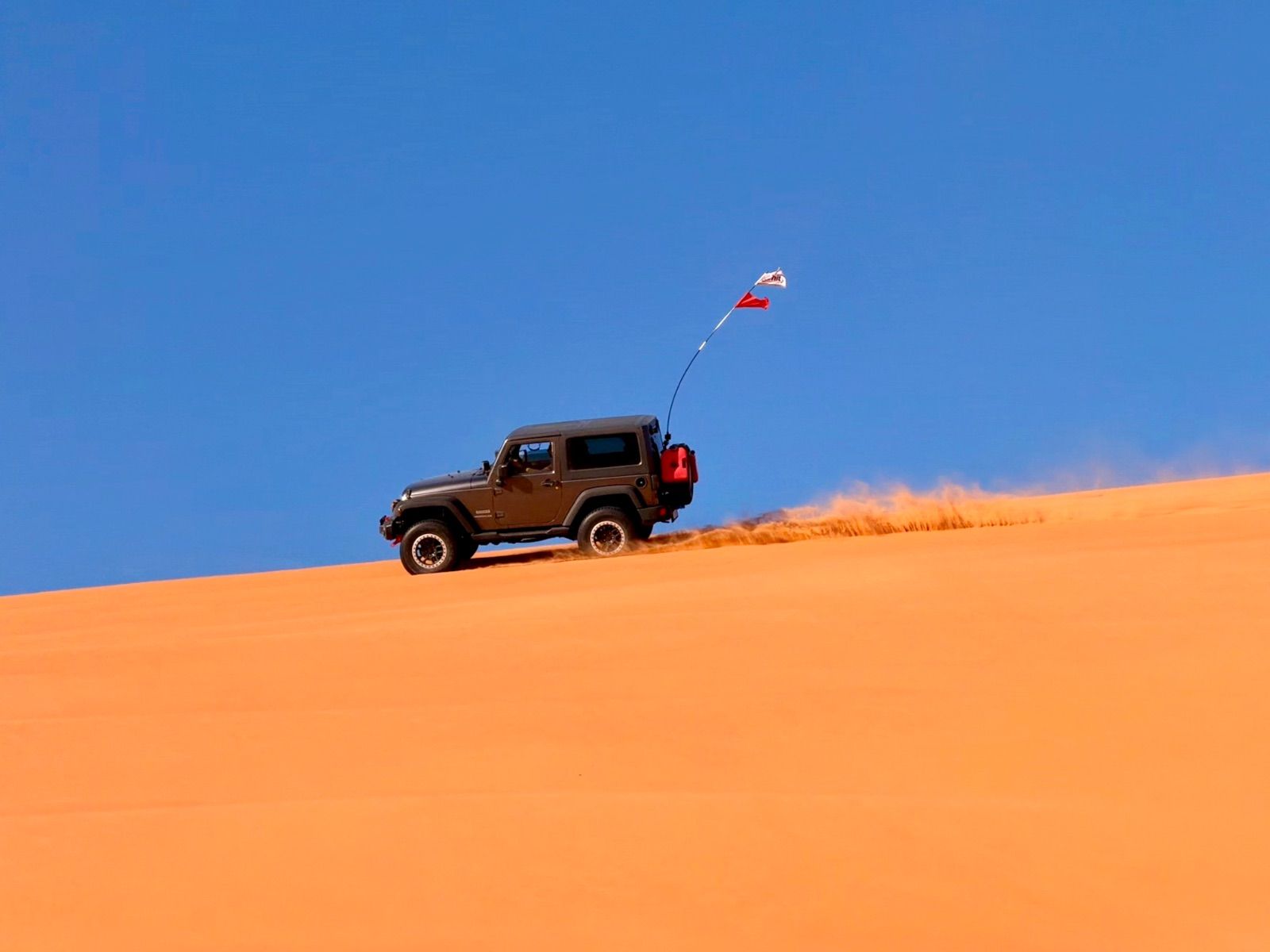
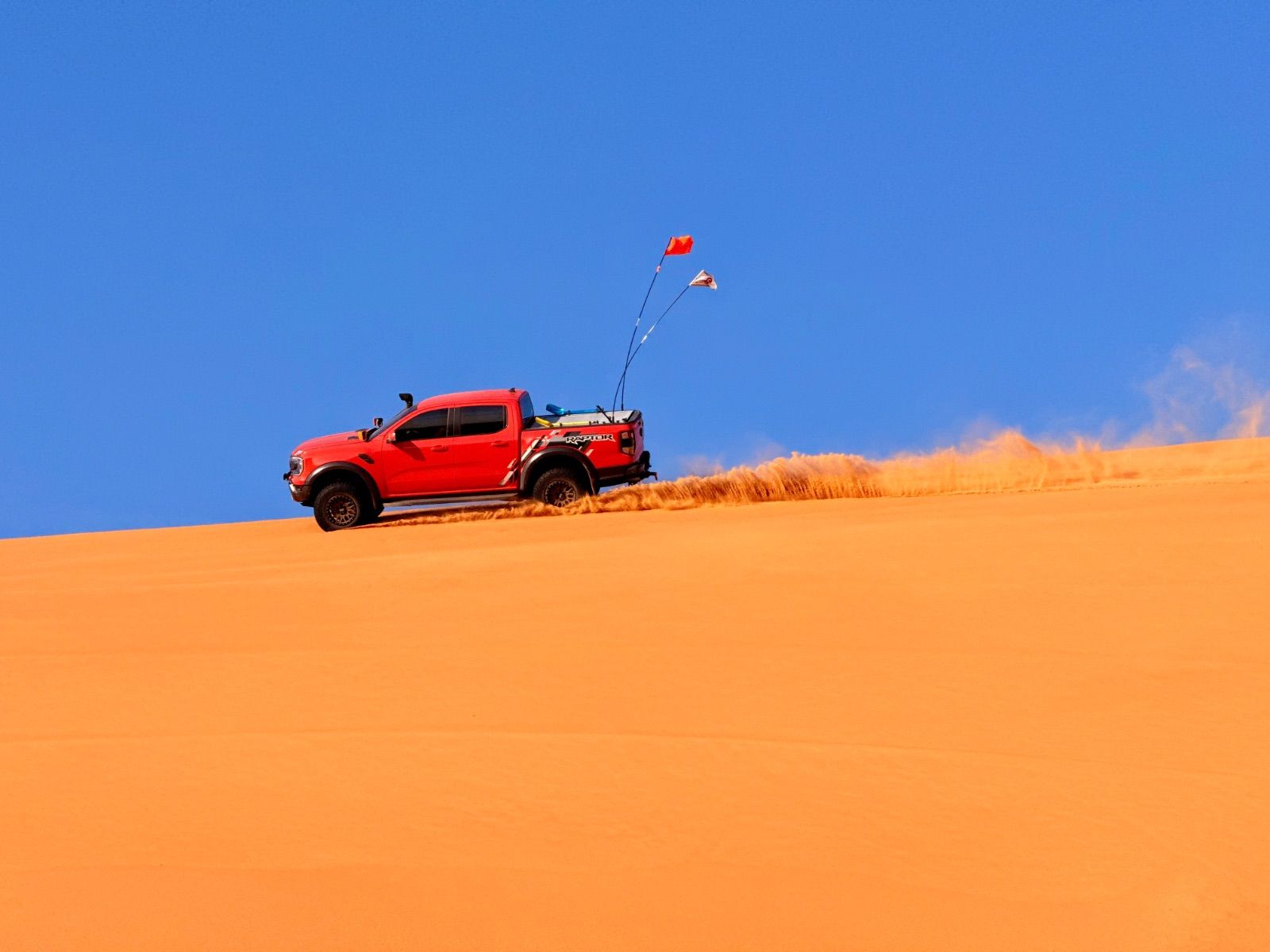
Excellent session this morning - great work leading @Luke K P and good work everyone on keeping the convoy flowing. Safe driving from everyone - skills are really sharpening up as we come into the winter season. @Diego @Zsolt @Luke K P Little sand in the car… Following Raptor’s in the bowl… https://youtube.com/shorts/kakEFVVxbnM?si=uSLl0vONlnBP6O68 Zsolt following in the bowl… https://youtube.com/shorts/oHdMLykmH0o?si=rCbts8k5XiXn6ZU4 Following Luke into the bowl… https://youtube.com/shorts/X98VJTRD8gs?si=XoxLSwbNRuMyCe-d
-
This was a really fun drive. Thank you for leading @Luke K P, delivered exactly on the brief! @Jose Luis Campos you drove confidently and positioned the car well on the terrain, finding the right balance of speed and momentum, position and line. Good work! @Dan S Amazing work for an early night drive. Everything was executed safely and you made some good early calls to come off a line that wasn’t working. Good foundation for future drives. We also all got to practice different levels of recovery and working with soft sand. Really good quality trip out 😁
-
Yesterday’s drive took us deep into Al Wiqan, one of those places that once you get inside it still feels untouched and fresh. We set out early, led by @GauravSoni and joined by @Sam Selim for what turned out to be one of the most rewarding desert runs I’ve done in a while. The plan was simple enough: reach a star dune we had been eyeing on satellite maps for the last week. On the ground though, it was anything but simple. The terrain out there is raw, with soft sand, steep slipfaces, and long winding ridges that test both driver and machine. This drive was the perfect opportunity to apply what we learned in the earlier masterclass sessions with @GauravSoni. The ridge-crossing techniques he taught, such as throttle control, alignment, and positioning, were put to the test many times over. The complexity of the terrain made it an ideal setting to consolidate the skills we have built at the Intermediate level…definitely not a first-IM trip, but an excellent consolidation and trial of these skills. After several hours of careful progress, we finally reached the centre bowl of the star dune. It is hard to describe the feeling of standing there, surrounded on all sides by tall arms of sand, completely silent except for the wind. We beached our cars in the small bowl, sat on the ridge and soaked it all up for a while. We covered 117 km in total over 7 hours and 18 minutes, with an average moving speed of 31 km/h. A full day’s drive, but one that reminded me exactly why we love this kind of adventure: remote, challenging, and absolutely stunning. Final push to the top of the star dune: Taking it all in: Ridges for days: Fast switch: Downhill switch: Sharp ridge:
-
Big beautiful bowls to be visited by a big beautiful convoy!
-
I’m really looking forward to this one! Car is ready, equipment packed and last night’s drive with Luke was my shakedown test run - all is good. See you out there…
-
Last night was great, thank you @Luke K P for leading - and I really enjoyed driving with all of you. Some good paced driving with a couple of patches of sand to test our skills, and a nice social break off the end.
-
Morning guys - large convoy just after the gate. I’ve gone further up the track and to the left side.
-
Hey @Ale Vallecchi- just wanted to confirm you’d seen that I withdrew from the driver earlier today. Looks like you have a small but perfectly formed convoy!
-
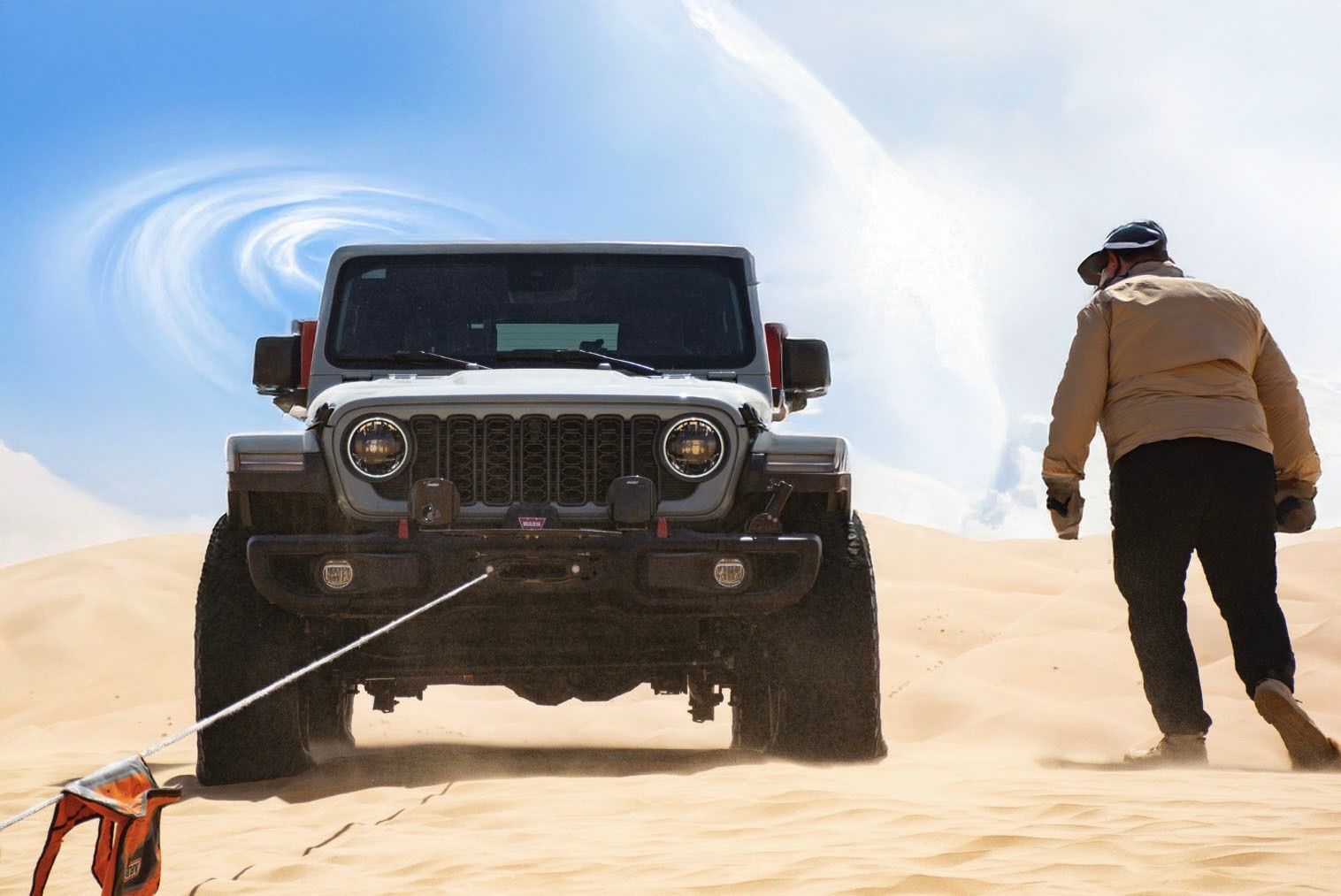
The artefacts have been recovered. We can close the file on this anomaly. For now.

-
Why Do You Get Stuck More on Some Days Than Others?
ChrisW replied to Gaurav's topic in Off-Road Club's Discussions
The biggest variable in getting stuck is probably me! The most common cause of my stucks is basically being too ambitious in the moment. Once you have a feel for your car and some time on the sand, you often have a gut feeling for whether a manoeuvre is going to work or not - and this is usually quick judgement based on a combination of speed/momentum, slope and condition of the ground, and the direction you’re going to steer in. The times I get stuck are usually when I ignore that gut feeling and press on. The other major factor is fatigue and alertness. If I find myself getting complacent while driving (letting myself get distracted with some menu on the car dashboard or basically not giving all of my attention to the driving), that’s a great signal to drink some water, sit up straight in the seat and turn the focus back on. Most of my “incidents” in the desert have been attributable to this. Very, very rarely my car will surprise me and be the cause of getting stuck. The Jeep JL can in some unusual circumstances disengage 4H and fall back to 2H but not tell you. Whilst confusing it’s obvious when this has happened - the car fishtails readily and at low speed will usually just dig in at the back and halt you in your tracks. -
I was sure we’d driven through here before, but no record on my Garmin…it’s like a half remembered dream now.