-
5.0 Stars ⭐⭐⭐⭐⭐ 628 Google Reviews

Niki
-
Posts
1,322 -
Joined
-
Last visited
-
Days Won
14 -
Country
United Kingdom -
Carnity Points
3 [ Donate ]
Content Type
Profiles
Forums
Advice
STORE
Events
Gallery
Blogs
Everything posted by Niki
-
-
-
-
-
-
-
-
-
-
-
-
-
-
-
-
-
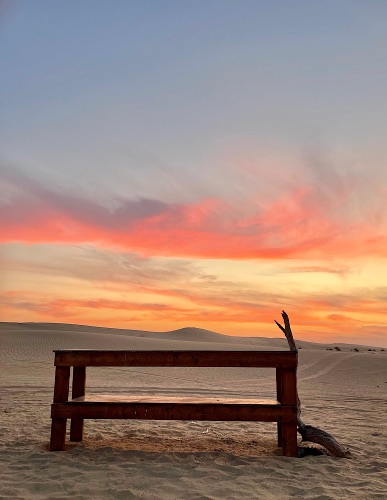
 #greatTiming!
-
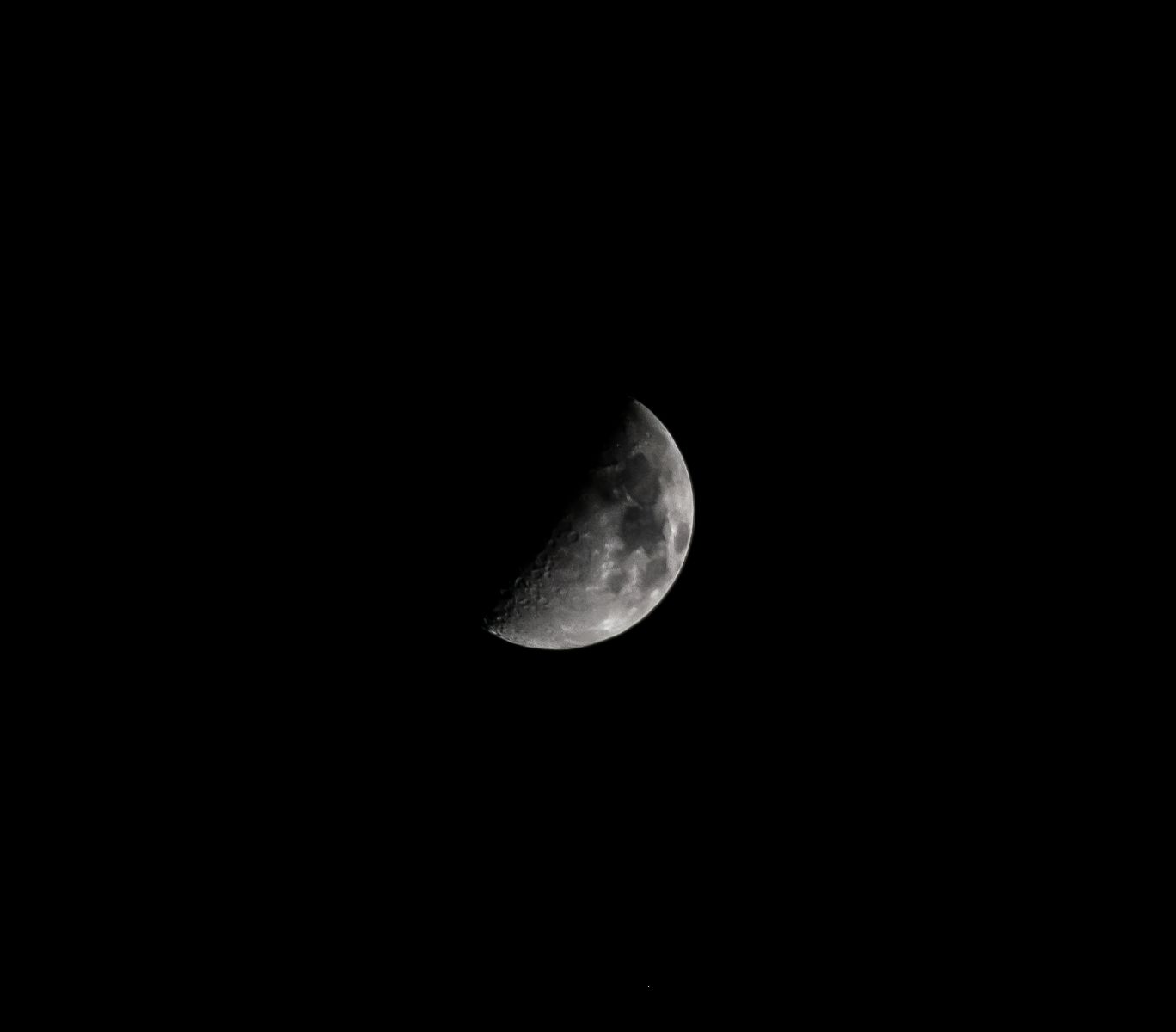
Todays attempt using the same setup ISO 100 | F/11 | 1/125 | 200mm | Nikon D3300 Below was a heavy crop but as you said @Frederic, there was plenty resolution/pixels to still make it work out ok.
-
🤦🏽♂️ That taught me you are not enquiring about driving in low range… you looking for guidance on the locked diff option! I should not have replied lol…. You did ask for experts (apologies Lakshmi)! Though I have now learnt Pajero Offroad gear options!!
-
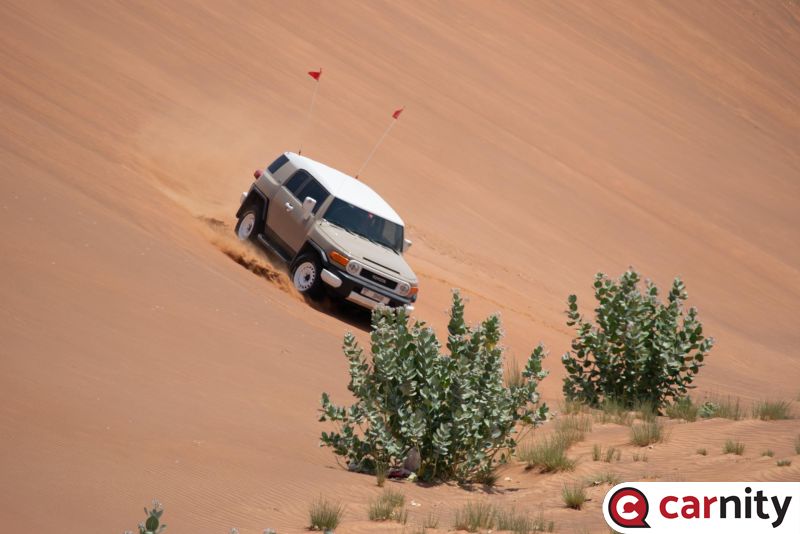
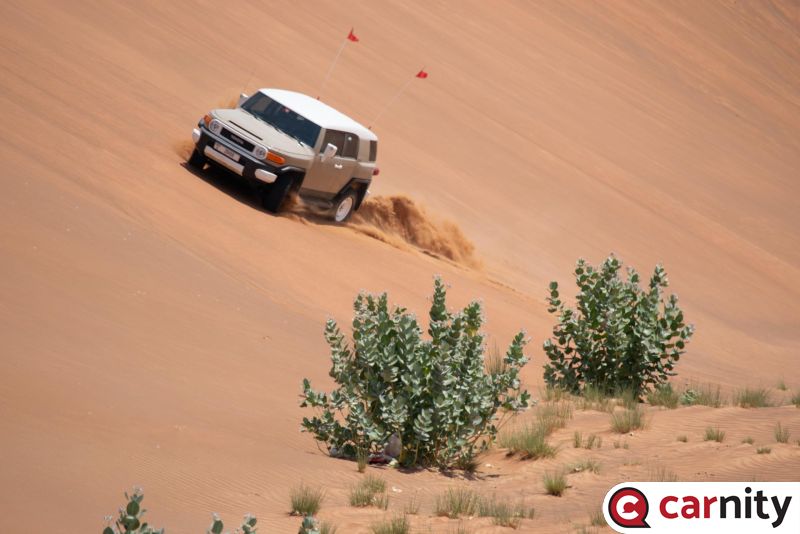
@Lakshmi Narasimhan here is how Toyota guides on the use of Low Range (a bit more conservative than Mitsubishi) Off-Road Tips Which Gear Most desert driving over level ground and low dunes should be in High Range. The constant use of Low range causes vehicles to over-heat and consume excessive fuel. Low Range should only be used in specific situations when negotiating an obstacle or for self-recovery exercises. When in Low Range the engine is reviving faster, at any given speed, when compared to being in High Range. But as the speed of the vehicle is slower, the wind flow through the radiator is reduced and the cooling process is diminished. As low 1st has such a low ratio, it is rarely used in desert driving. In most situations is not a viable choice. For self-recovery from soft sand the first option is Low 2nd with a very light throttle pedal pressure. Excessive engine power only spins the wheels and you will go down - not forward or back! Low Range has very useful characteristics especially for controlling your vehicle on steep descents by offering excellent engine braking. This means that when you remove your foot from the accelerator, the vehicle is slowed by the engine and you do not have to use your brakes. Retardation is applied evenly to all wheels through the transmission and the weight transfers associated with foot braking do not occur.
-
Good point!! The pic I attached was cropped in approx 25% already but I think I can go further! And telephoto lens without stabilization…. Thanks for this reminder, I’ll try and find one which is stabilized so that it can get used a lot more (or happily use the 200mm)
-
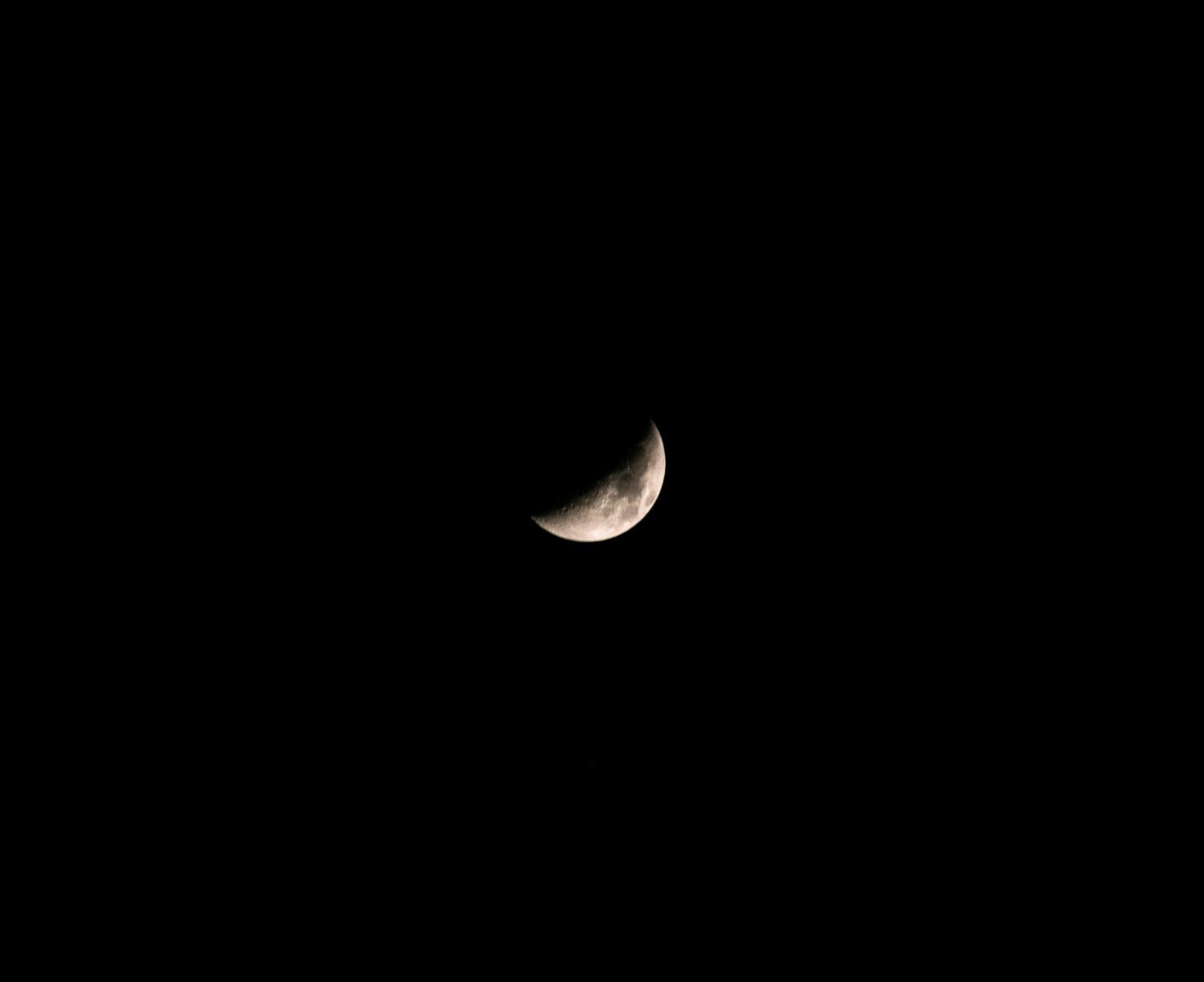
@Frederic you inspired me to head out to the balcony and try. ISO 100 | F/11 | 1/125 | 200mm | Nikon D3300 I am searching online for a decent (budget) 300 or 400mm lens ready for next week 🙏
-
TT_Dubai has been promoted to Fewbie level
Niki replied to Gaurav's topic in Off-Road Club's Announcements
Nice one @TT_Dubai ! 🍻🎉 -
Anish S has been promoted to Expert level
Niki replied to Gaurav's topic in Off-Road Club's Announcements
Many congrats @Anish S 🍻