
Leaderboard
Popular Content
Showing content with the highest reputation on 04/05/2025 in Posts
-
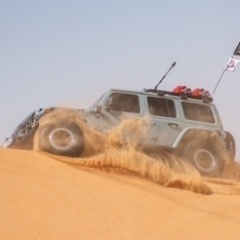
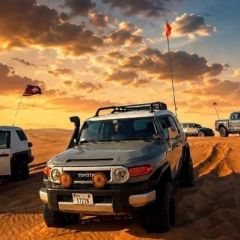
Dear friends Thank you all for sharing the passion and being on time . To highlight our quest it took three parts. the first one was a warming up starting slowly from Tawi nazwa till the first climb on the western side of the rock and that was nice . the second part started from looping “ scratch free “around the rock from west to east skipping the classical ascend due to the narrow Broken passage taking our proper break on top of Nazwa rock . From there to the big red the speed and difficulty increased smoothly and with fluid bowling at times. The third part was tackling big red and was challenging and that was epic . Despite the refusals and one battery down every one kept the team spirit high up which brought us safely eventually to the exit with big smiles on our faces. @Nathan perfect second lead and communication skills . 🙏 @vinayak n despite it’s your first Fb and night drive you have done great . My regards to your father who seems enjoyed the desert in the night . @Amr J it was pleasure to meet you for the first time . You drove very well . @Mei ling second night drive in a row and it seems you started to like the desert in night . Excellent maneuvering and control. @Mads likewise , prepare your self to be in the second lead next one . Excellent drive . @Frans M finally we met and it’s bring a pleasure . You were key stone in the drive and thanks for helping to start jump Jose’s battery while I was bringing the other drivers from the pit at top of the red @Jose Luis Campos I am very happy to learn that your family enjoyed the half moon 🌙 . You drove very good . @Sandeep N and @Mahmut I didn’t hear you much on the radio indicating you were enjoying the quest in the back . Beautiful. @Glenn W I didn’t bother to count the cars at the end because I knew that you have done a great job saving us all . Always pleasure to have in any drive . Thanks . every one hope you enjoyed and wish you pleasant time . Till next time we meet drive safe . Seidam7 points
-
A Big Thanks to @M.Seidam@Nathan @Glenn W for this one ..my first night drive &fewbie one too ..thanks for all the guidance &support ...n to the rest in the convoy it was an amazing drive &company !!2 points
-
Thank you all for the beautiful drive lots of learning points and my colleagues for the patience. Welcome @Kashx2, nice first drive1 point
-
Thank you all for making my first ride very memorable. I wanted to apologize over the radio for being late. I didn’t know what the rules are for personal messages so I hope everyone accepts my apology on the chat here.1 point
-
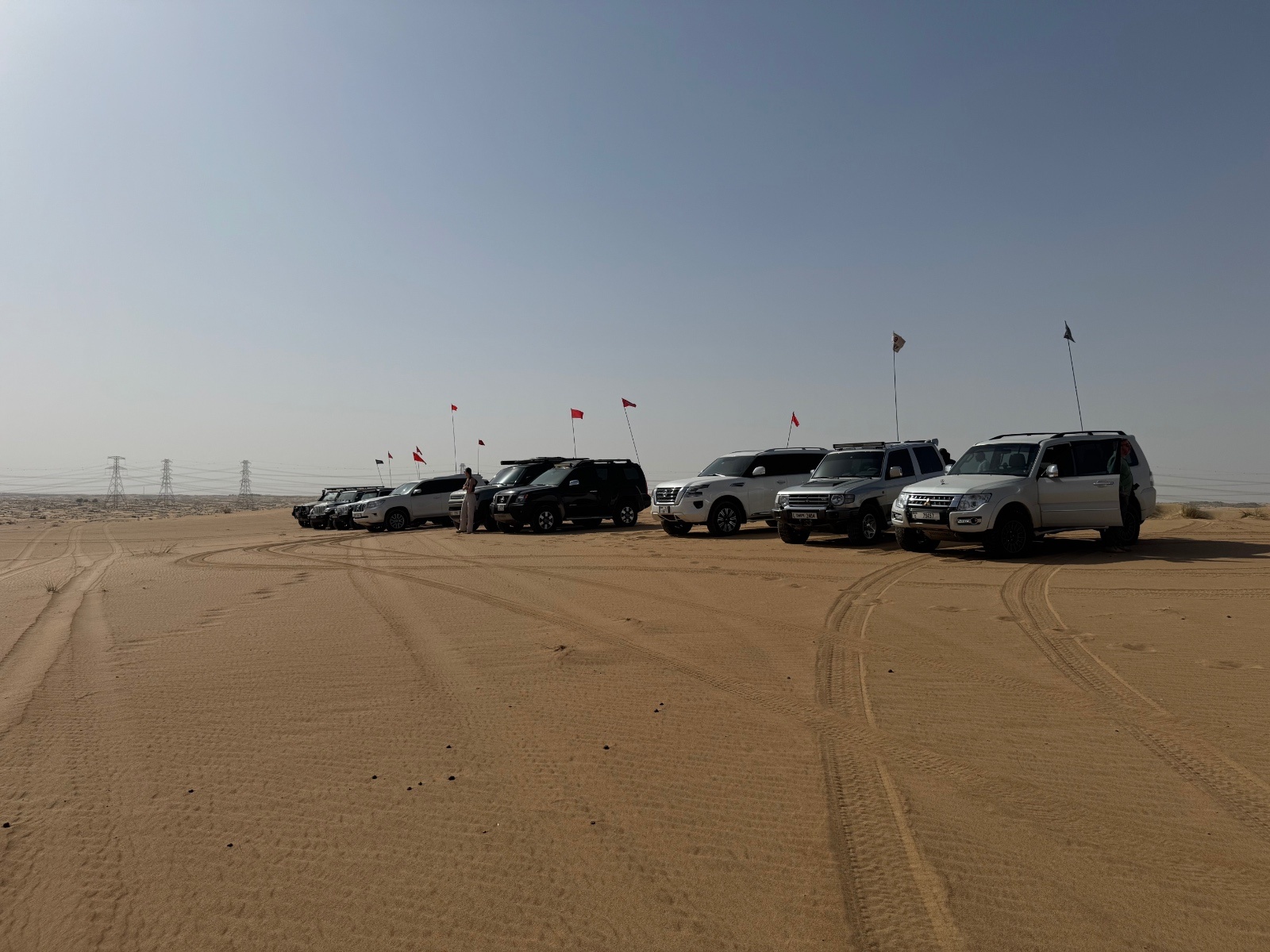
Thanks again @Gaurav, @Aser, @Rajiv Sam and @Fabien Monleau for a very enjoyable ride, great way to spend the afternoon. Hope to see you out again soon!
 1 point
 -
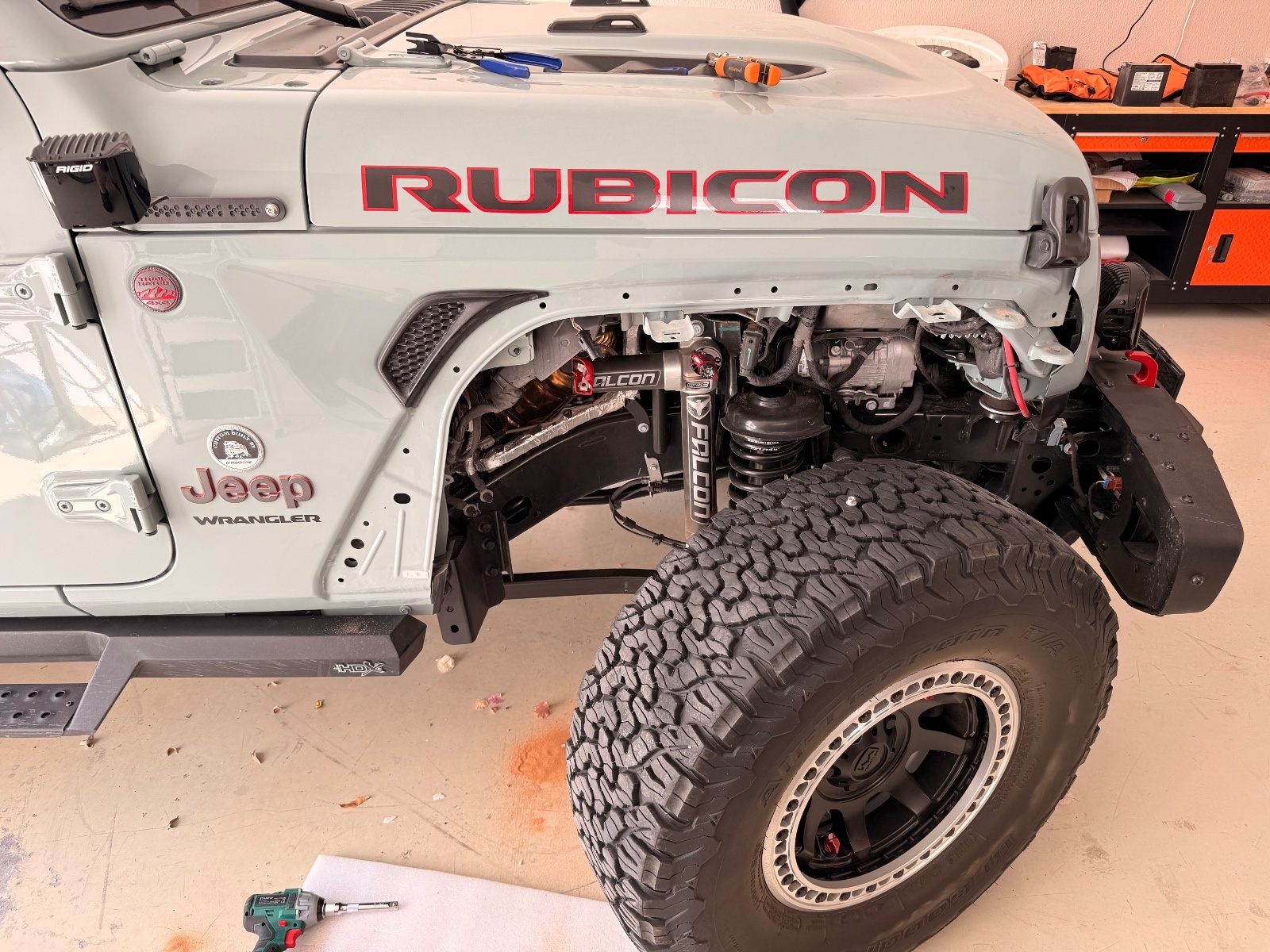
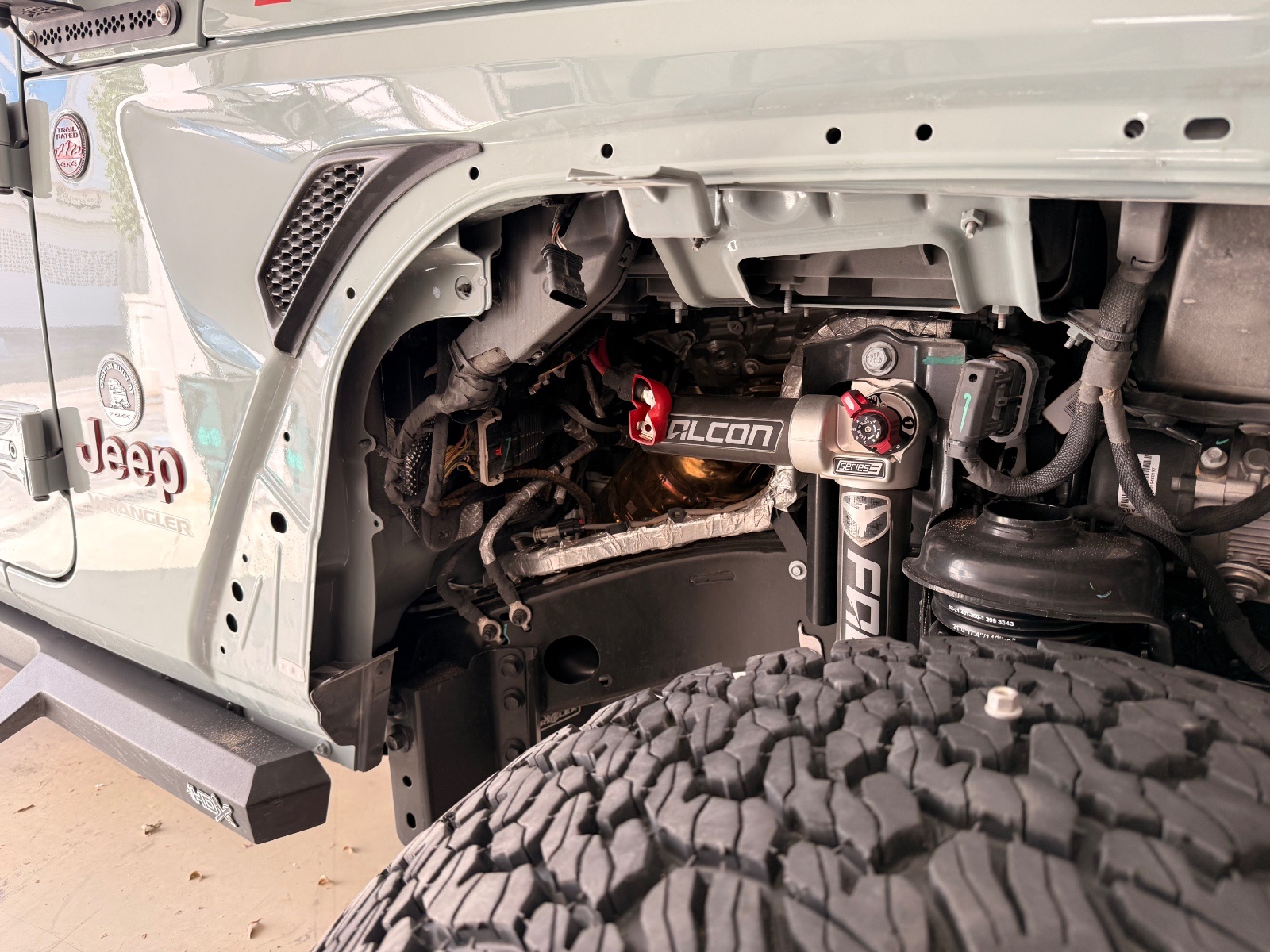
This is something I ended up messing around with recently. Basically on the Wrangler the auxiliary battery is connected in parallel to the main battery almost all of the time, with the two being separated briefly during the engine start (where the voltages can be checked separately) and during an Engine-Start-Stop event (where the aux battery is used to power the cabin load, eg items like the air blower fan, radio/onboard entertainment etc) such that the main battery is preserved for cranking the engine. If the auxiliary battery or main battery goes bad (happens reasonably often), because they sit in parallel most of the time, they’ll tend to kill the other battery fairly quickly. That’s how you often end up having to change both at the same time. As an FYI, if anyone should wish to change the aux battery themselves, it’s easier to remove the fender (four bolts, one push pin, and replace a few clips on the reinstall) and drop the battery tray…looks extreme but it’s a fairly easy job and can be done in under an hour: The access from below is much easier than pulling out the fusebox. You could also isolate the aux battery and disable it… There’s an argument to be made that the incorporation of a second battery in this way (dissimilar sized batteries running in parallel) is a really bad piece of design that was rushed into place to meet restrictive US automotive emissions regulations. There’s a negative cable that runs from the aux battery to the main. If you disconnect and isolate that, remove fuse F42, and persistently disable ESS (using eg a Tazer JL Mini), then your car will happily run on the main battery only - and probably have much longer battery life in that setup. However there’s also a good argument to be made to just leave it as it is and lean on the warranty!
 1 point
 -
@Ale Vallecchi thank you for putting on this afternoon drive. It was a great afternoon. @Emanuel thank you for the support and @Mike M. for bringing up the rear. I think learning how to get the best out of your car is going to be very helpful moving forward, check if your car has any issues preventing you from getting the most out of it. Driving in “D” may not be suitable for your car, you may need to use “manual” or “triptronic” gears or a combination of both throughout the drive especially in more testing areas. Ensure you have all traction aids turned off, especially if you turn off your car and start it again (for the newer cars). Ensure correct tyre pressures are met and if needs be lower them for more soft sand, just don’t turn too sharply. Carrying momentum and not trying to power through from a standing start is going to help, keeping fluidity in the drive is a must. For cars with turbos you may have to get on the accelerator earlier for your engine to spool up the turbo, yes engines have got better over the years but there is still a time lag between you putting your foot down and your car getting in the correct powerband. Larger engine displacements with turbos probably manage this better than smaller engines with turbos but it’s all the same. try, try and try again. Never be put off if you fail to do something that others can do. Never panic and listen to instructions. Never get frustrated and try too hard to push through something as that could lead to overshooting, fighting gravity etc. putting yourself and your car at risk. just some friendly advice 🙂 all the best guys, see you soon on the next one.1 point
This leaderboard is set to Dubai/GMT+04:00