
-
5.0 Stars ⭐⭐⭐⭐⭐ 628 Google Reviews

Frederic
-
Posts
9,346 -
Joined
-
Last visited
-
Days Won
484 -
Country
Belgium -
Carnity Points
4,447 [ Donate ]
Content Type
Profiles
Forums
Advice
Complete Onboarding & Agree to Club Rules & Guidelines
Marketplace
STORE
Events
Gallery
Blogs
Everything posted by Frederic
-
 Congrats with your 100 drives led @M.Seidam !!
 -
Gaia GPS For Beginners - 2024 Update
Frederic replied to Frederic's topic in Off-Road Club's Discussions
Ah yes! It will give you some headache to set it up, but it's totally worth it from a planning perspective. The mobile app however is not that great. -
Frans M has been promoted to Support Team
Frederic replied to Gaurav's topic in Off-Road Club's Announcements
Well done @Frans M ! Time to polish your chrome shovel -
Good evening everyone. @Myrko@Dan S@Theo Prado@saumik1989@Chrismayer@Abdullah A.@Shary@Kashx2@JohanE@Amr J Due to a small surgery i got done today, it is not advisable for me to be in the sand coming weekend. Thankfully @Ale Vallecchihas decided to step up and lead this drive. Starting time will be also shifted to 8AM due to his travels and arriving late the evening before. Kindly acknowledge this message by clicking on the LIKE button, so we know everyone is aware of the change. See you guys soon in the sand again!
-
Asking advice - which stock tyres for Y62 Patrol?
Frederic replied to Adrian Lane's topic in Nissan Patrol Forum in UAE
You are right, the Duelers are not really made for sharp rocks. And yes, STOCK is less headache Join us on one of the Newbie club drives -
Asking advice - which stock tyres for Y62 Patrol?
Frederic replied to Adrian Lane's topic in Nissan Patrol Forum in UAE
Hi @Adrian Lane Even though the Bridgestone Dueler is a HT tire, they are definitely not bad for light off-roading, especially in sand. Can i ask what kind of off-roading you are planning to do? Wadis and mountains? Or desert? If you drive in sand only, the Dueler will be absolutely fine. The main problem is the big rims (20inch) which means the tire sidewalls are quite low (60). Ideally it would make sense to try to fit a 275x65x20 but i am not sure if these can be easily found in the market. -
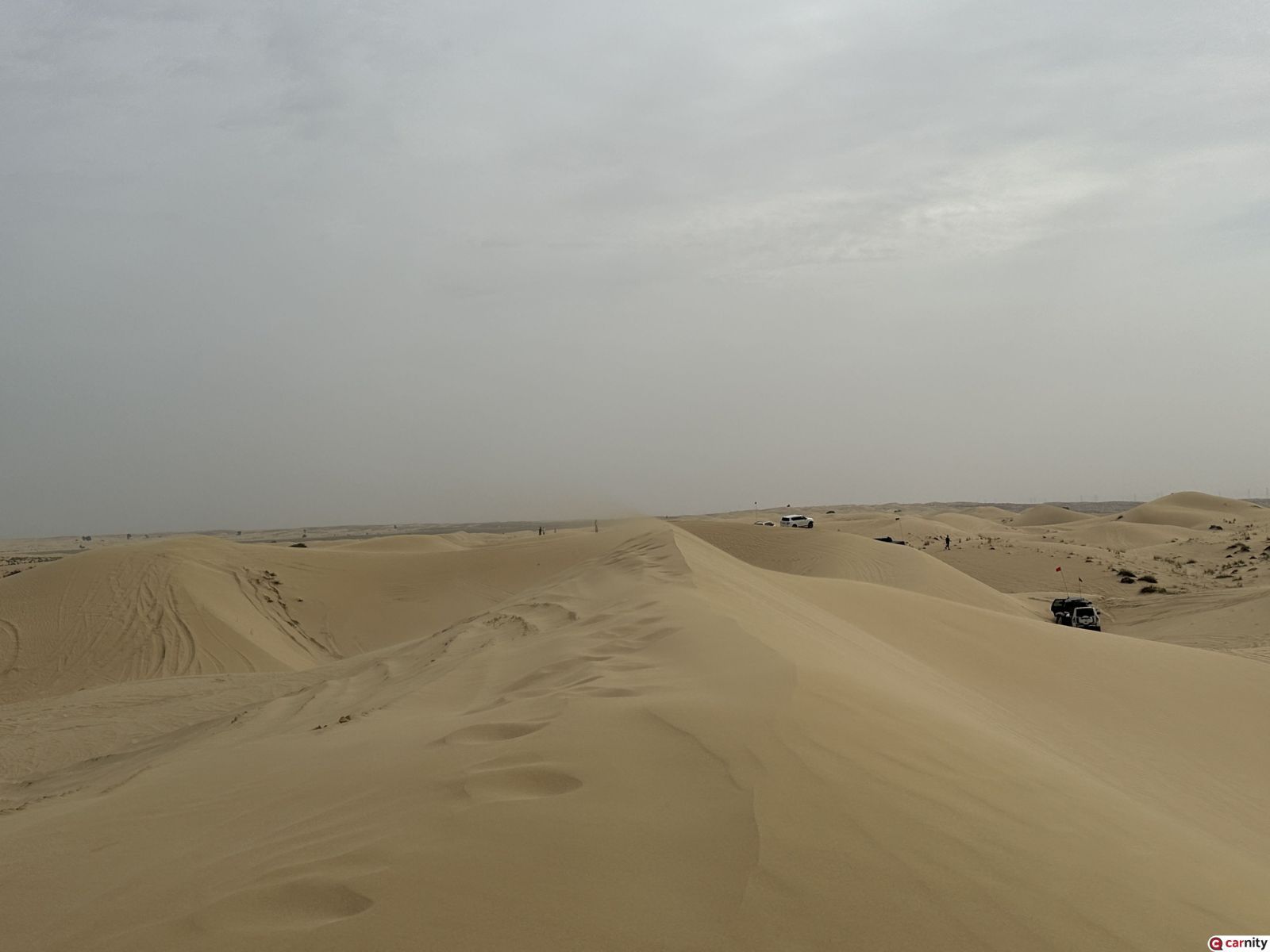
untilDRIVE DETAILS Level: Fewbie and above When: 12 Oct 2025, Sunday Meeting time: 8AM - Sharp (Without any exceptions) Meeting Point: https://maps.app.goo.gl/uiLF1M3CAHq7wjov5 Approximate finish time: 11:30 AM approx. Type of Car: Any proper 4x4 with front and back tow hooks and 8-10 inches of ground clearance. What to bring along: Loads of water, snacks (for yourself), smiles, enthusiasm and willingness to learn. Mandatory off-road gears: Tire deflator, tire pressure gauge, compressor, walkie-talkie radio, off-road flag, shovel, first-aid kit and fire extinguisher.
-
DRIVE DESCRIPTION This time we will mostly focus on very tight technical dunes, where momentum, deflation, and steering input will need to be optimized. Bring your shovels boys and girls! We request every member that joins this drive to go through the below information and strictly follow these guidelines, etiquettes and responsibilities. MUST READ AND COMPLY Environmental Policy Offroad Flag Guideline Two Way Radio Guideline Off road Driving Etiquette's Emergency details for all off-roaders Off Road Driving - Roles & Responsibilities DRIVE DETAILS Level: Fewbie and above When: 12 Oct 2025, Sunday Meeting time: 8 AM - Sharp (Without any exceptions) Meeting Point: https://maps.app.goo.gl/uiLF1M3CAHq7wjov5 Approximate finish time: 11.30AM approx. Type of Car: Any proper 4x4 with front and back tow hooks and 8-10 inches of ground clearance. What to bring along: Loads of water, snacks (for yourself), smiles, enthusiasm and willingness to learn. Mandatory off-road gears: Tire deflator, tire pressure gauge, compressor, walkie-talkie radio, off-road flag, shovel, first-aid kit and fire extinguisher. LIMITED SPOTS AVAILABLE This drive is limited to 10 cars only. If the RSVP is full, you can add your name to the waitlist. Once anyone drops, you will be moved to the RSVP list. RSVP will close a day prior to preparing a convoy list. Latecomers will be returned back - Without any exceptions. Members without RSVP will be returned back - Without any exceptions. Please withdraw your RSVP, if you aren't joining, so your spot can be taken by others. Repeated no-show members after RSVP will have their account suspended for a month. PLEASE RSVP ON THE CALENDAR
-
20251004_083104.jpg
Frederic commented on Imran Asghar's gallery image in Newbie - Qudra Dunes- Dubai - 04 Oct 2025
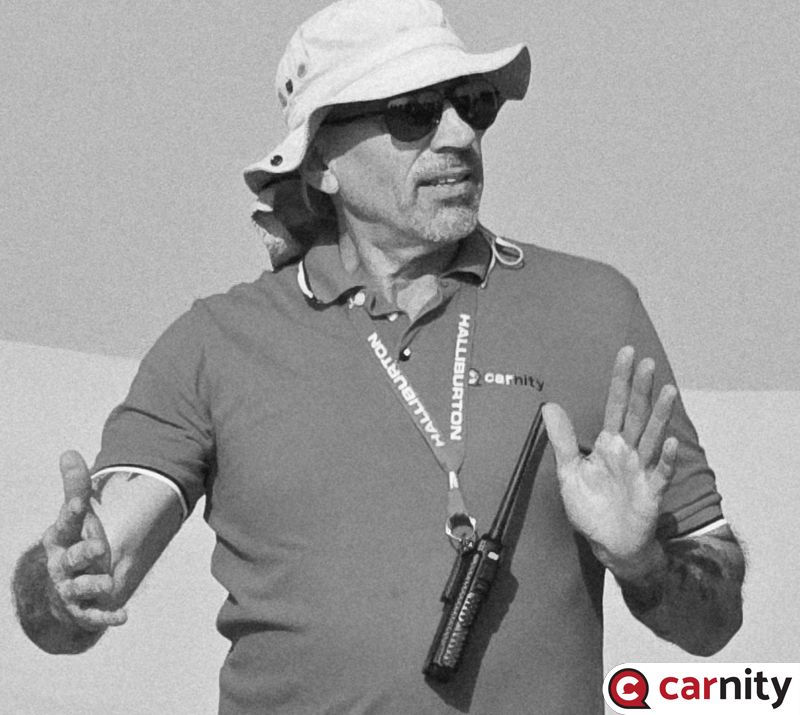 Nice grain! Timeless photo!!
 -
saumik1989 has been promoted to Fewbie level
Frederic replied to Gaurav's topic in Off-Road Club's Announcements
Well done @saumik1989! -
https://loc.wiki/t/233693053?wa=sc
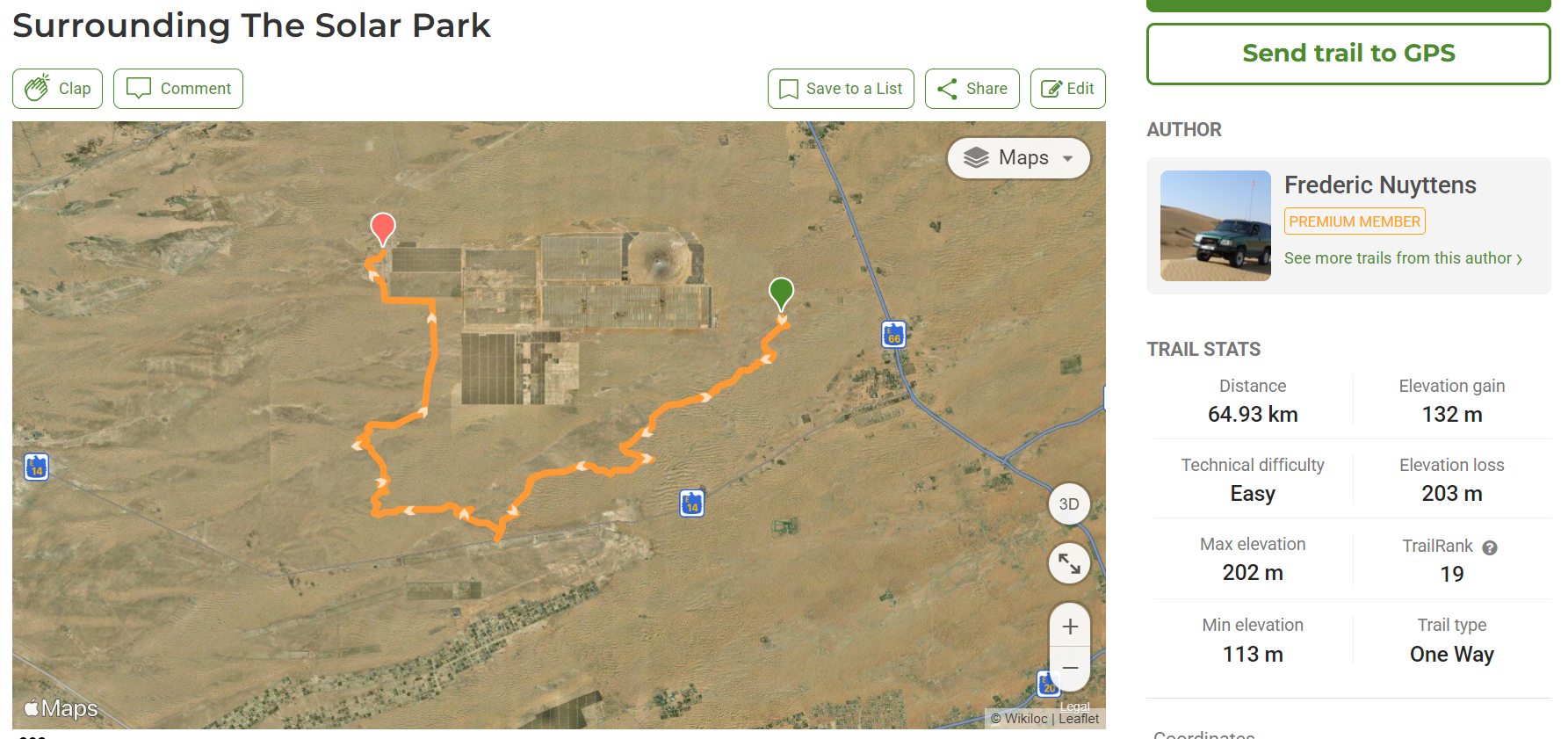
-
IMGP6425.jpg
Frederic commented on Frederic's gallery image in Newbie - Surrounding The Solar Park - Dubai - 28 Sep 2025
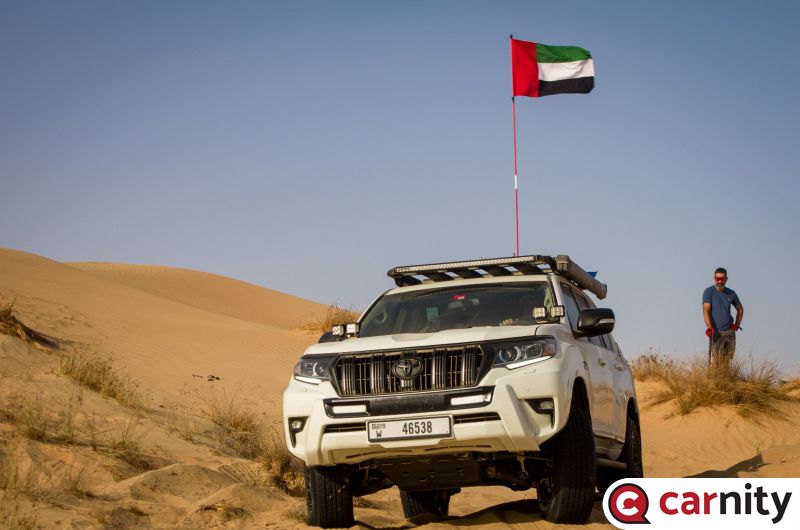 @Imran Asghar is a happy and proud shoveler. Let it be known to all 😆
 -
Thanks again to everyone who joined! Everyone drove fantastic this morning. Without he support of @Ishak and @Imran Asghar, and @Frans M as my superb second lead, this would not have been possible. Feel free to upload your photos in our drive gallery: Newbie - Surrounding The Solar Park - Dubai - 28 Sep 2025 - Carnity.com PS I found a 4 in 1 hose inflator manifold gauge at the inflation point. If it belongs to you let me know on Whatsapp: ZERO FIVE SIX - FIVE ZERO FOUR - TWO SIX THREE TWO. @Frans M might be yours as you have similar system.
-
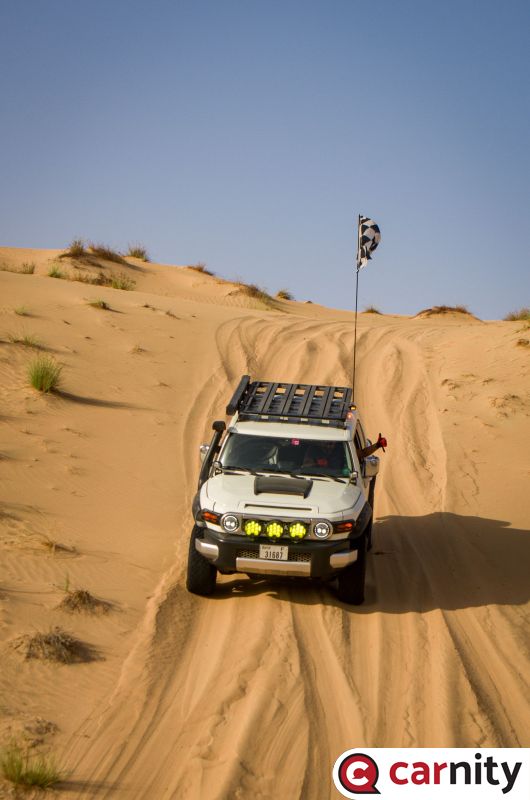
IMGP6430.jpg
Frederic posted a gallery image in Newbie - Surrounding The Solar Park - Dubai - 28 Sep 2025
-
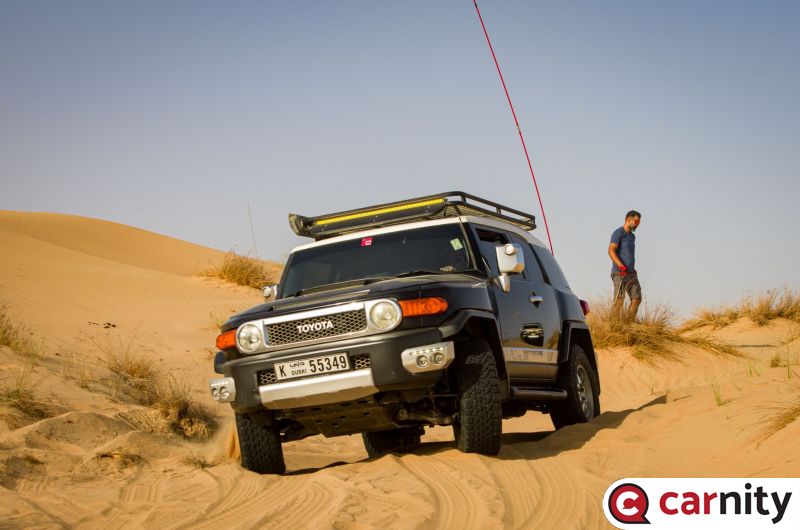
IMGP6427.jpg
Frederic posted a gallery image in Newbie - Surrounding The Solar Park - Dubai - 28 Sep 2025
-
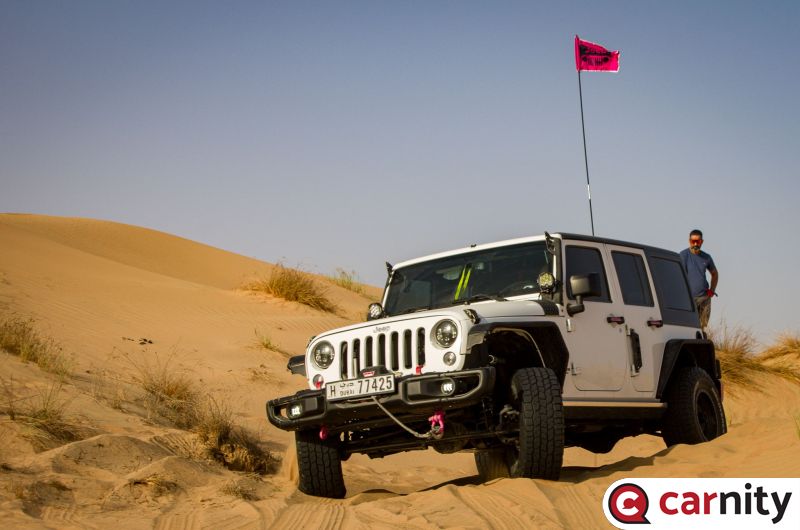
IMGP6426.jpg
Frederic posted a gallery image in Newbie - Surrounding The Solar Park - Dubai - 28 Sep 2025
-
IMGP6425.jpg
Frederic posted a gallery image in Newbie - Surrounding The Solar Park - Dubai - 28 Sep 2025
-
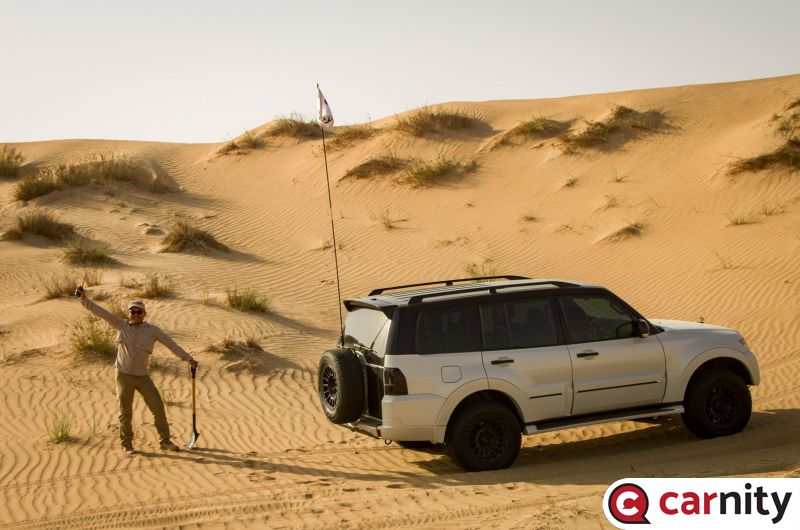
IMGP6424.jpg
Frederic posted a gallery image in Newbie - Surrounding The Solar Park - Dubai - 28 Sep 2025
-
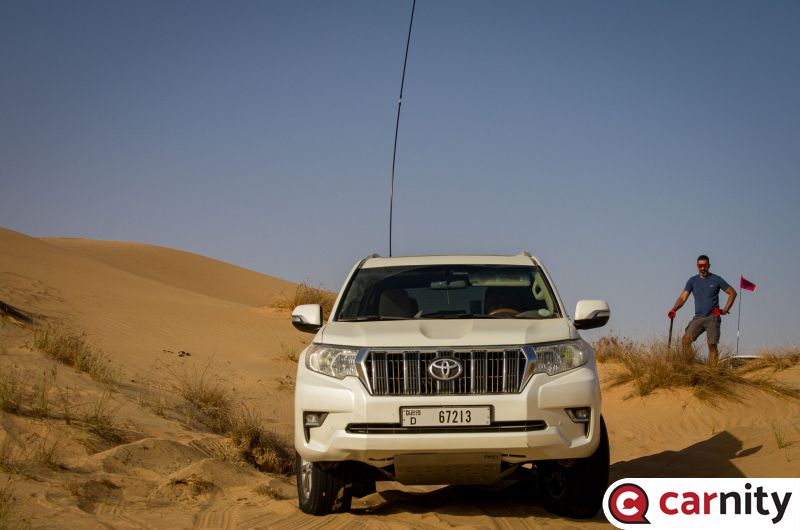
IMGP6423.jpg
Frederic posted a gallery image in Newbie - Surrounding The Solar Park - Dubai - 28 Sep 2025
-
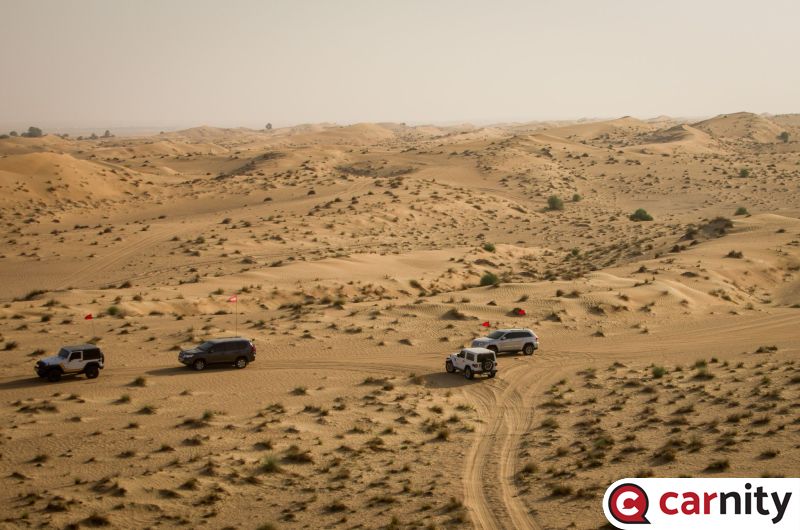
IMGP6422.jpg
Frederic posted a gallery image in Newbie - Surrounding The Solar Park - Dubai - 28 Sep 2025
-
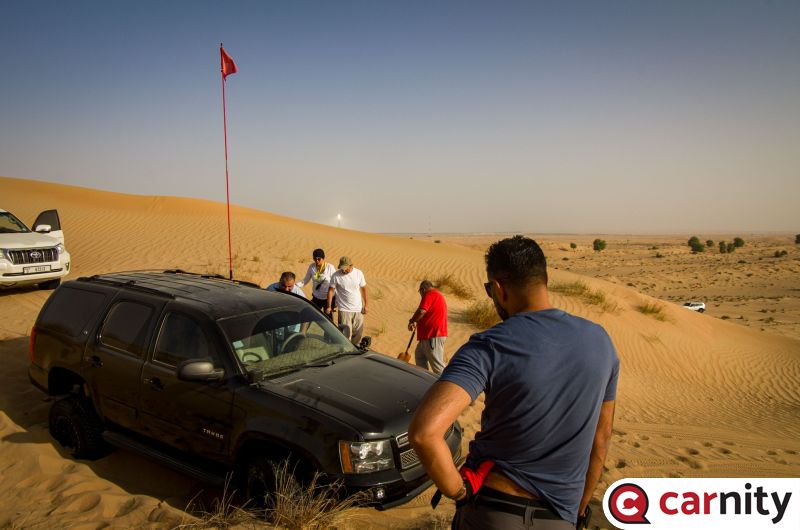
IMGP6421.jpg
Frederic posted a gallery image in Newbie - Surrounding The Solar Park - Dubai - 28 Sep 2025
-
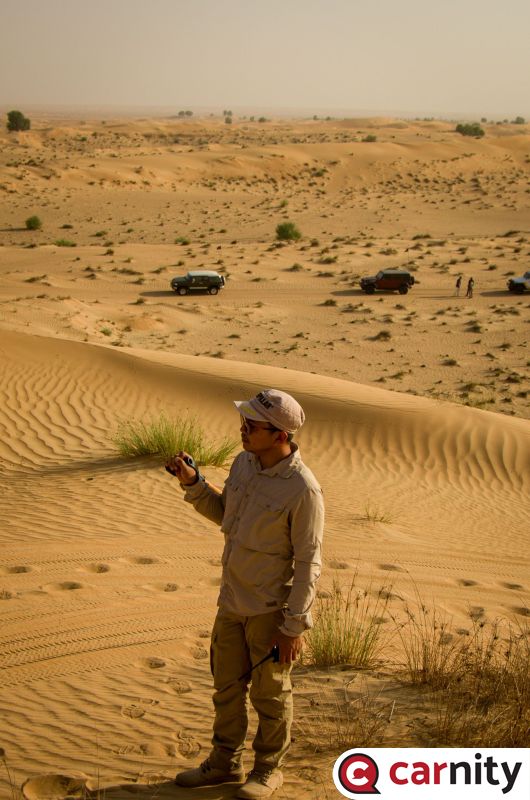
IMGP6420.jpg
Frederic posted a gallery image in Newbie - Surrounding The Solar Park - Dubai - 28 Sep 2025
-
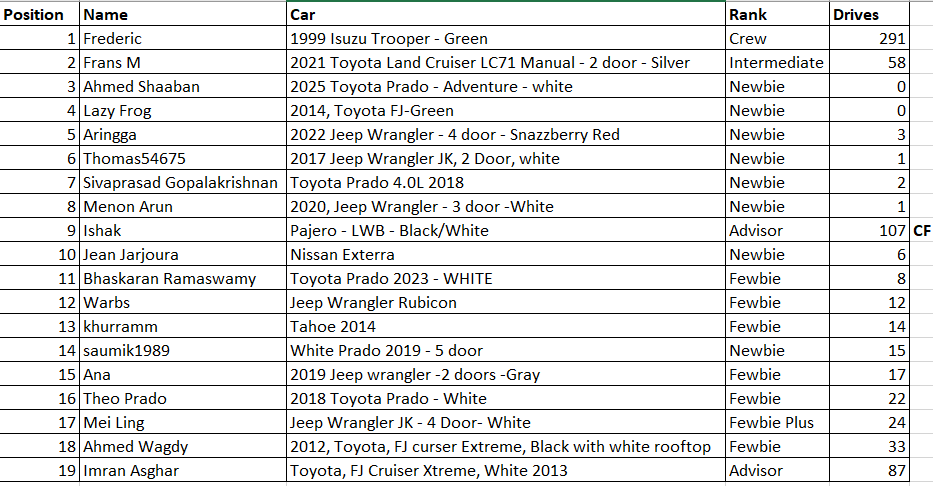
RSVP IS NOW CLOSED @Frans M@Ahmed Shaaban@Lazy Frog@Aringga@Thomas54675@Sivaprasad Gopalakrishnan@Menon Arun@Ishak@Jean Jarjoura@Bhaskaran Ramaswamy@Warbs@khurram@saumik1989@Ana@Theo Prado@Mei Ling@Ahmed Wagdy@Imran Asghar We have a nice long train for tomorrow! Please take note of the below pointers to make the best of the available time: 1. Please try to arrive 15mins earlier so you have time to deflate and set up your flag. Latecomers will need to bring all of us a cappuccino and croissants . 2. Once you arrive you can deflate your tires to 14-15psi when you have HT tires, or 11-12psi if you have AT tires. Don't hesitate to approach any of the senior members or myself for help if needed. 3. Walkie Talkie communication channel 8 will be used: 446.18125 Mhz. If you don't have a radio yet we can lend you one if you are on your first drive with us. 4. Make sure to arrive with a full fuel tank. Not that we will empty it from this single drive, but this is a safety precaution that we always follow. A prepared off-roader is a happy off-roader. As always, teamwork will be crucial, so let's be patient with each other and enjoy the beautiful area while we are approaching the glorious winter season. See you all tomorrow morning !
-
DSC02977.jpg
Frederic commented on Imran Asghar's gallery image in Fewbie - Qudra Secret Garden - Dubai - 27 Sep 2025
 Hi @Ana during offroading the window frame is flexing a bit, so I would indeed not recommend driving in the desert as it might crack entirely. Hope you can get it fixed soon.
 -
Dear @AlexO You can find a bit more details below: Basically when starting off in our club, you are first in the Newbie level category until you have completed 5 Newbie Level drives. Then you can request your promotion to Fewbie Level. If you happen to have other club experience and want to request an early promotion to Fewbie, you will in any case first need to do 1 Newbie level drive, and after completing that drive, request your promotion online to Fewbie and document your experience and number of drives you have done in other clubs. If accepted by us, you will be promoted to Fewbie level after one Newbie level drive. Hope this clarifies the situation.