
-
5.0 Stars ⭐⭐⭐⭐⭐ 628 Google Reviews

Frederic
-
Posts
9,346 -
Joined
-
Last visited
-
Days Won
484 -
Country
Belgium -
Carnity Points
4,447 [ Donate ]
Content Type
Profiles
Forums
Advice
Complete Onboarding & Agree to Club Rules & Guidelines
Marketplace
STORE
Events
Gallery
Blogs
Everything posted by Frederic
-
The Redex came recommended by @Gaurav and i must agree that it has reduced my consumption slightly. I used to get maximum 390-400kms on highway, now i am around 420-430 on average. The biggest change i noticed was the idling. Although my injectors were cleaned a while back by a guy in Rashidiya, after having used two bottles of Redex, the idling became more stable. I get the Redex through desertcart.ae
-
I paid 1050 for my Pajero. Only weird thing is that the car shows as 4 cyl 2400 cc in the paperwork, so maybe they selected Pajero io model in their computer 🤔
- 43 replies
-
- 2
-

-

-
- best car insurance
- car insurance online
- (and 3 more)
-
Hint: all parts belong to the car. Be aware this is not a “regular” vehicle 😉
- 649 replies
-
- 1
-

-
- funny car memes
- funny car memes uae
- (and 3 more)
-
Try to find the radiator !!!

- 649 replies
-
- 1
-

-
- funny car memes
- funny car memes uae
- (and 3 more)
-
Modifying a 2004 Manual Pathfinder R50
Frederic replied to Fuad's topic in Nissan Pathfinder Forum in UAE

-
Modifying a 2004 Manual Pathfinder R50
Frederic replied to Fuad's topic in Nissan Pathfinder Forum in UAE
Welcome to the club of stick shifts 😂 @Srikumar Will confirm manual is more fun ! -
I am also a happy RSA customer. Their rates are good, used them only once for a small incident where my neighbor bumped into my car, and everything was settled professionally and repair was done by a decent workshop that did a wonderful job. Heard good things about Oman Insurance too. I need to renew next month so i will definitely compare them.
- 43 replies
-
- 3
-

-
-
-
- best car insurance
- car insurance online
- (and 3 more)
-
Every off-roader must know: What Went Wrong?
Frederic replied to Rahimdad's topic in Off-Road Club's Discussions
Turned a very sharp right at a pretty high speed. OR he fishtailed from applying to much gas and over steered to much to correct. -
Modifying a 2004 Manual Pathfinder R50
Frederic replied to Fuad's topic in Nissan Pathfinder Forum in UAE
Congrats with the ride buddy. Come and join us for a number of drives and then start setting up your plan. First stick with the basics of getting the car FULL inspected: battery, all fluids, compression, cooling system, etc.... You might need to shell out a few thousands to get that part in 100% condition. -
Every off-roader must know: What Went Wrong?
Frederic replied to Rahimdad's topic in Off-Road Club's Discussions
Very well written and explained. Your approach and attitude toward this is very mature and i am sure that this incident will carry a lesson. You can help become the torch bearer in the club to show newbies what happened and how to avoid this and there is absolutely no shame in that. Like @Jas Gajaria mentioned we need to ALWAYS be on full alertness, and sometimes after an incident we question ourselves on why we reacted the way we did. You did your due diligence by analyzing and discussing with the crew members and you’ve been open and transparent from the start. Thumbs up buddy, this is brilliant attitude. Wish you all the best, a speedy recovery for the Xterra, and many more rides in the future with us ! -
New Toyota Landcruiser Namib V8
Frederic replied to Barry's topic in Toyota Land Cruiser Forum in UAE
Only available in SA ? With the way things are going now in SA these cars are gonna cost 999999999999900000000000000 Rands 😔 -
20190920_082746_001.jpg
Frederic commented on tjsingh's gallery image in Absolute Newbie Drive Pink Rock - 20 Sep 2019
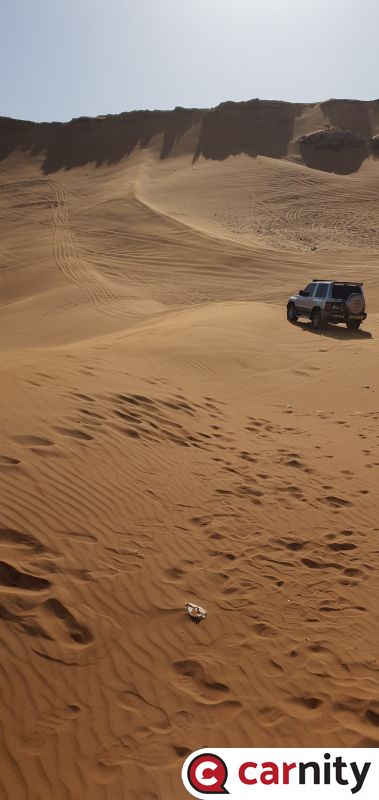 Wonderful pic ! The Pajero looking at its breakfast !
 -
Great review @Gaurav. It’s unfortunately a typical thing in UAE for businesses to call themselves experts while they just have some low paid number crunchers behind their desks that are ill-informed, non trained, and not properly managed. When you have plans of selling your car in the UAE, you’re entering a snakepit it seems. From the hundreds of people that call you on Dubizzle with stupid offers, scammers, fakers, and people just waisting your time, a genuine car selling website like Carswitch would be a great concept IF managed properly by a group of specialists that have the ease of mind of their customers as first priority. Your genuine review informs people, and that’s what the core and purpose of Carnity is all about: protecting the car enthusiast from dubious businesses and helping them to avoid the snake pit.
- 5 replies
-
- 8
-
-
-
-
- car switch
- carswitch.com
- (and 2 more)
-
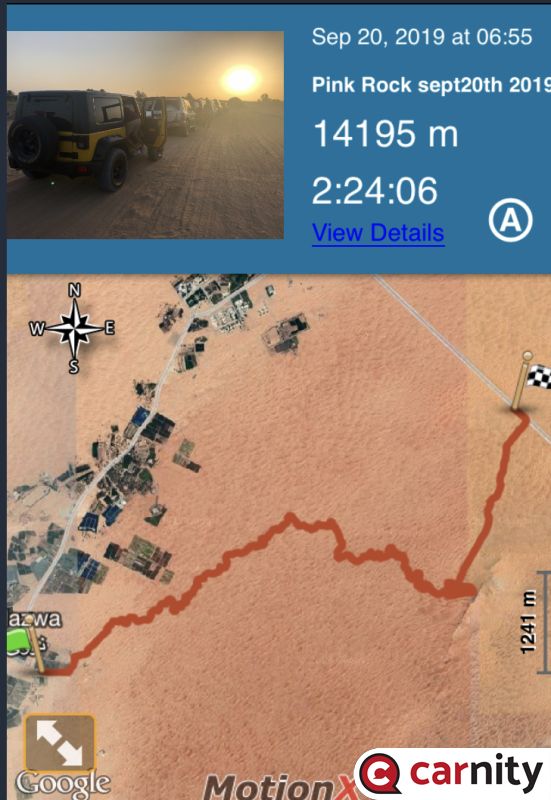
ABDB4D55-14F2-4D3B-AC9A-DB84D4B6E029.jpeg
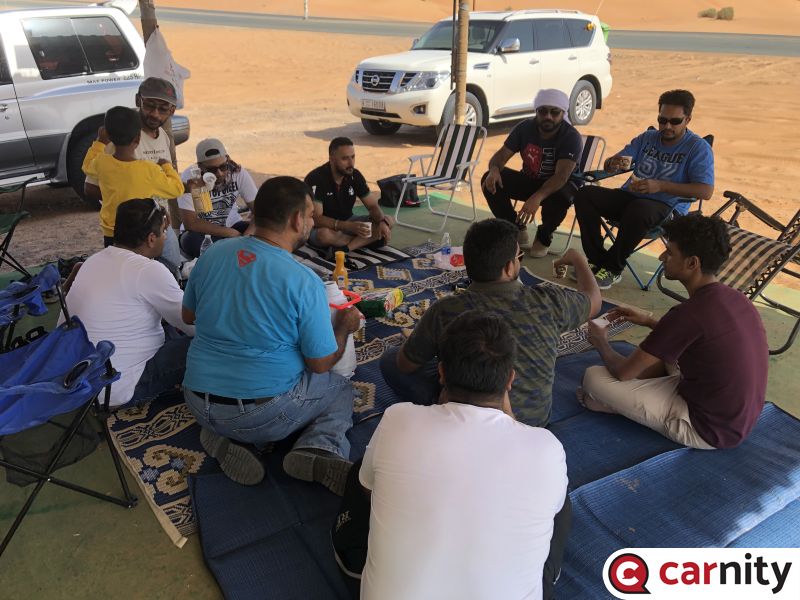
Frederic posted a gallery image in Absolute Newbie Drive Pink Rock - 20 Sep 2019
-
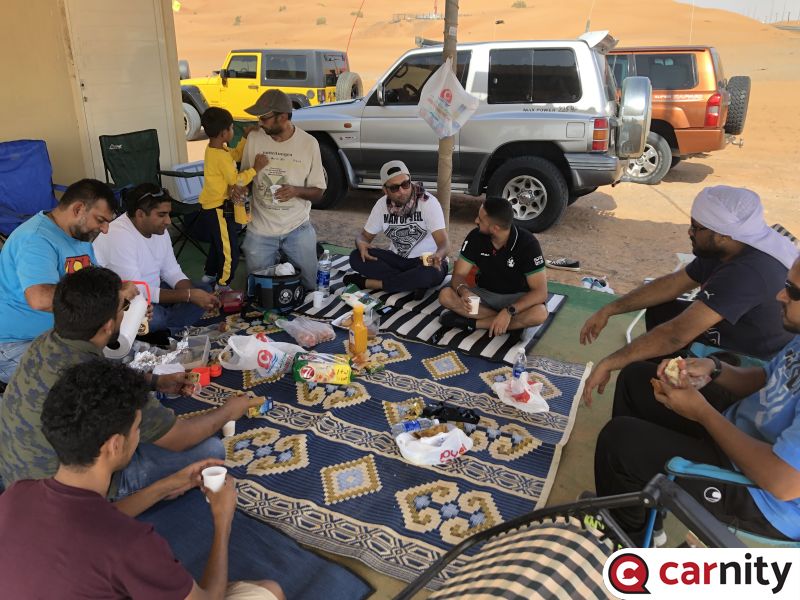
E38EDC1E-A3D1-4552-8C39-F8F0983BB822.jpeg
Frederic posted a gallery image in Absolute Newbie Drive Pink Rock - 20 Sep 2019
-
66B9A759-B10A-4745-A00C-1F65E0E8BAF5.jpeg
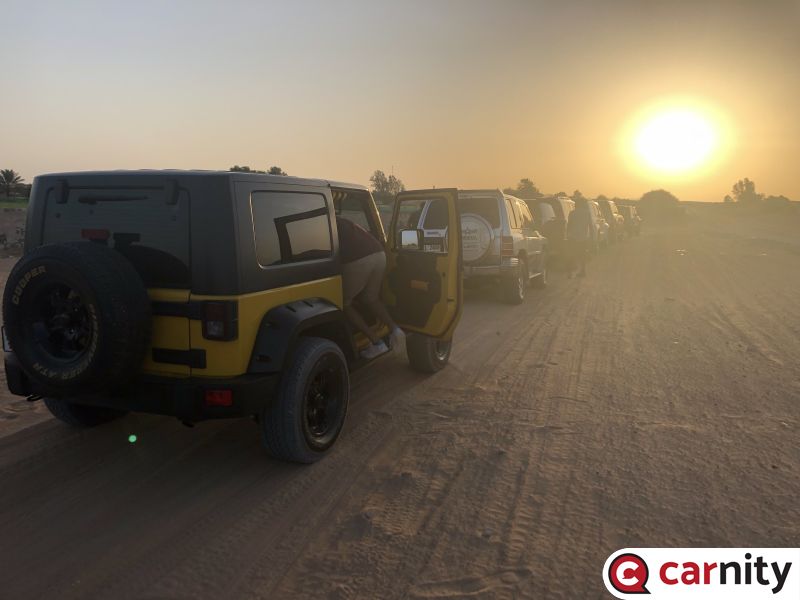
Frederic posted a gallery image in Absolute Newbie Drive Pink Rock - 20 Sep 2019
-
BB9F32F2-4560-4BC7-9BFA-42D190F29D31.jpeg
Frederic posted a gallery image in Absolute Newbie Drive Pink Rock - 20 Sep 2019
-
Absolute Newbie Drive Pink Rock - 20 Sep 2019
Frederic replied to Srikumar's topic in Off-Road Club's Offroad Drives
Our newbies that joined today, and the potential newbies that will join the coming off-roading season, will get a taste of @Srikumar his great skills: From the detailed and complete briefing, to the overall smooth routing, everything was in its right place to give newbies the knowledge and confidence to get the first steps in the sand and allow them to further advance this great hobby in a professional and safe way. I am very proud to see Carnity as a whole growing year after year, not afraid of challenging itself or reinventing itself. It’s the way to success and all members will reap the benefits from that !- 17 replies
-
- 9
-
-
-
- offroad drive
- desert drive
- (and 2 more)
-
Can i mix different engine oil brand for top up?
Frederic replied to AAhmad's topic in Kia Cadenza Forum in UAE
Welcome to Carnity ! Should be no big issue as long as you keep the same specs. -
Mercedes Baby Protocol
Frederic replied to Gaurav's topic in Mercedes General Discussion Forum in UAE
Last time I’ve seen a car going up and down like that on a parking lot, there were other things going on 😂 -
I’m not bashing ekar here, which is their competitor and I heard they are lots better. This is Udrive.
-
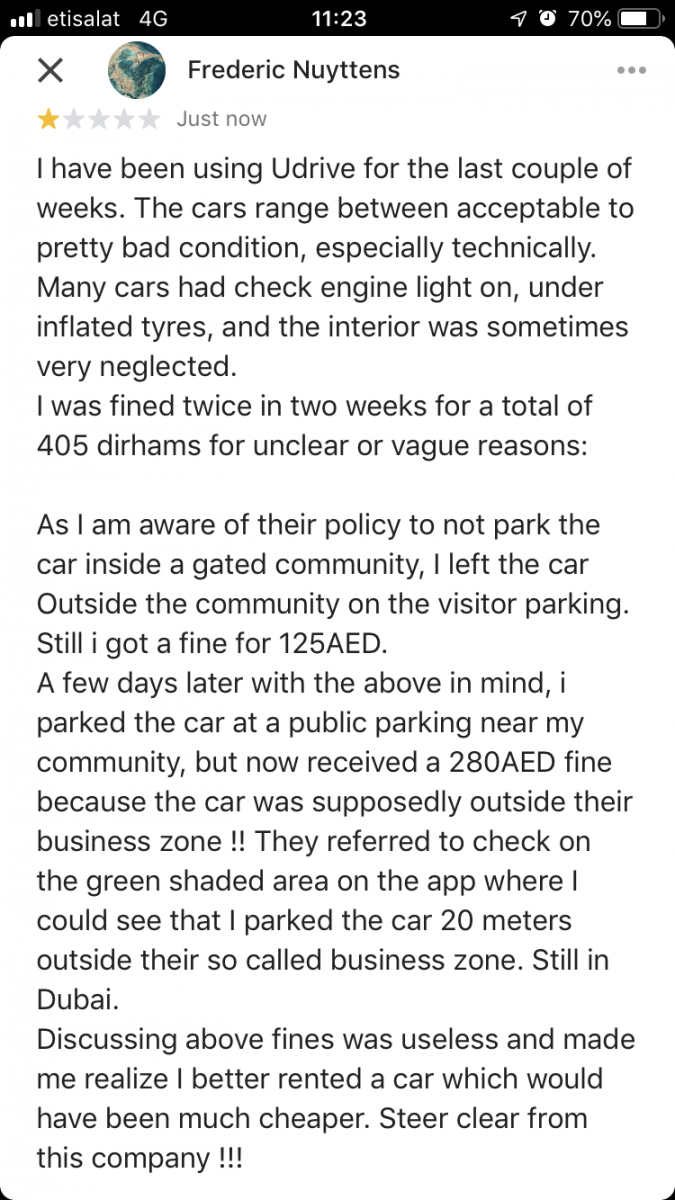
Thanks buddy, just filed a review. It’s appealing to see the amount of low scores and number of complaints.
-
LandRover DEFENDER - LEGO model 199$
Frederic replied to Jeh's topic in Land Rover General Discussion Forum in UAE
Boys and their toys.... -
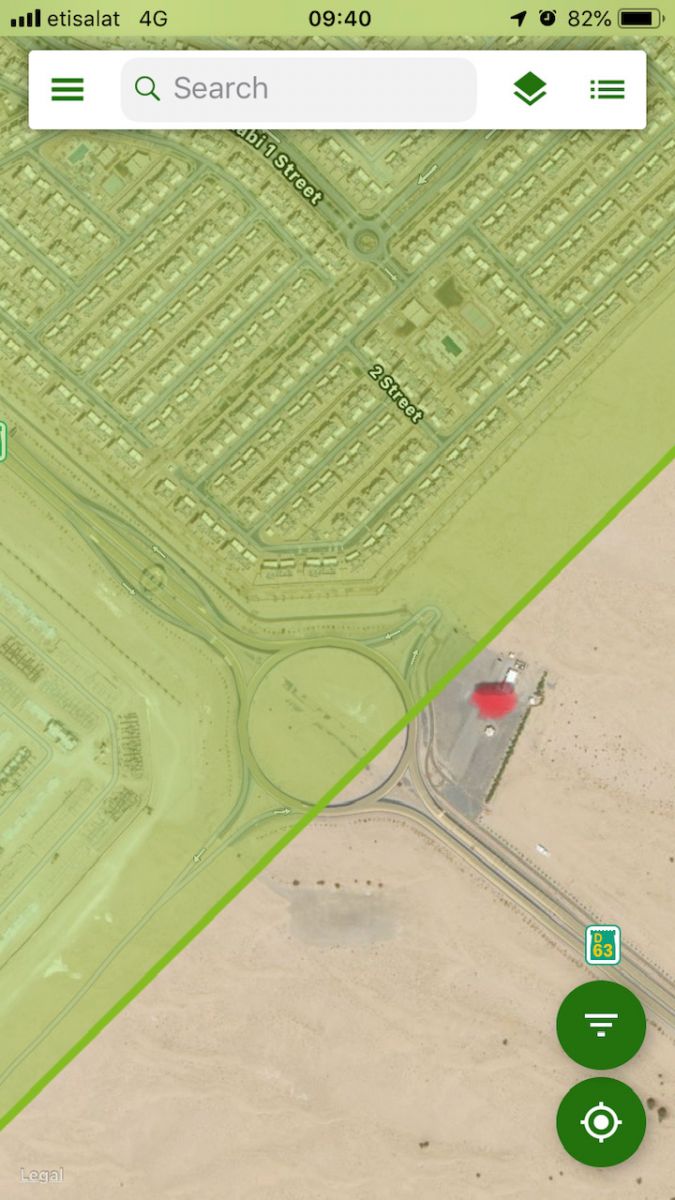
UPDATE on UDRIVE: I have been using Udrive for the last two weeks, and was fined twice for not leaving the car behind in a proper location. * First fine of 125AED was issued because i parked the car outside my community at the visitor parking near the mosque. I live in Mira community and parked it over there specifically because i knew it's not allowed to park it inside a gated community. This visitor parking is freely accessible without having to pass by the gates, still i got a fine for parking inside the gated community. * As an alternative to above, i decided to park the car a few days later at the Al Qudra roundabout, which is a public parking accessible to anyone. I received a fine of 280AED the next day, claiming the car was outside the "business" zone. Apparently on the app there is a green border line, where the car was parked 20 meters outside the green line (see attachment). 😡 Looking at the Google reviews, Udrive seems to make a habit of handing out fines for vague and unclear issues. With the fine payment which is automatically deducted from your creditcard, i could have rented a car for two weeks.
-
How the German police deal with rubberneckers
Frederic replied to Barry's topic in General Discussions
Brilliant, but sad at the same time to see how some humans can’t find the decency and respect. We’ve all become paparazzi on our way to the next thrilling experience.