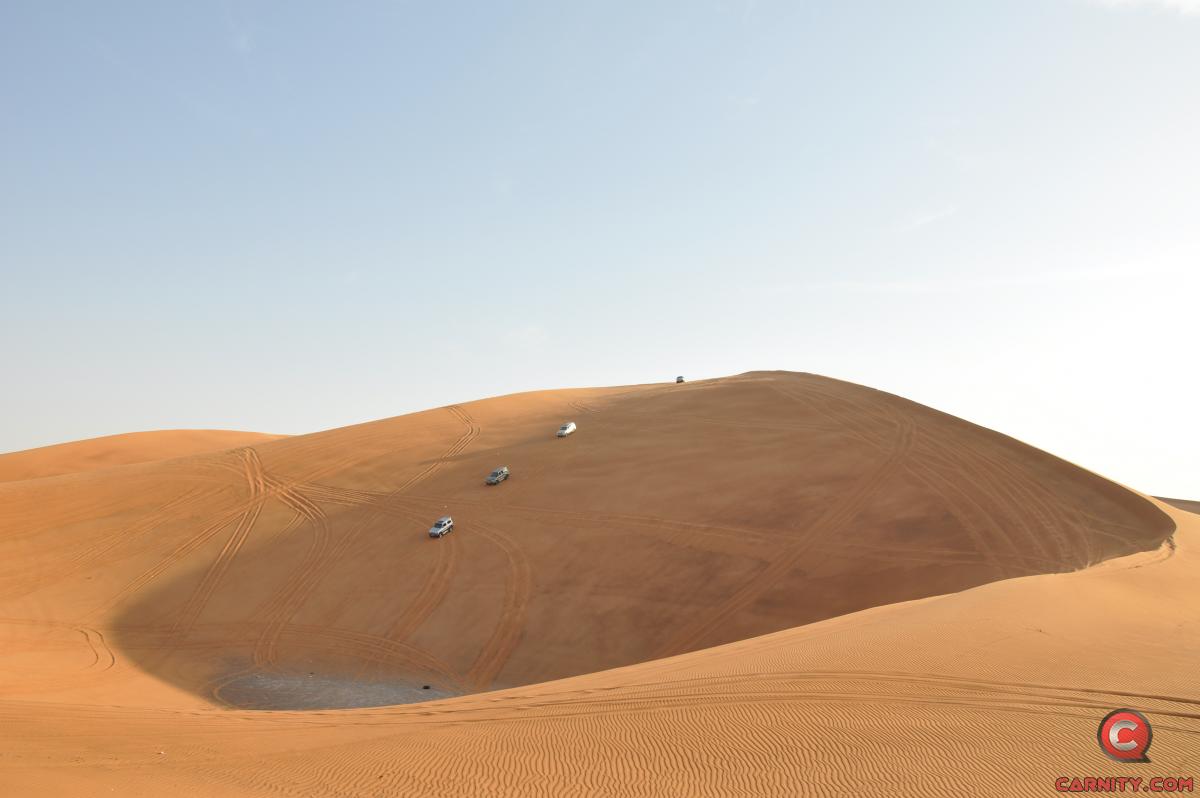

Popular Post Mike M. Posted April 27, 2025 Popular Post Share Posted April 27, 2025 (edited) As part of having available content for all new comers, I thought of creating the safety briefing in writing here. I have not re-invented the wheel but merely put in writing what the guys share in every drive, with slight inputs from my side. Thought it could help the newer members and maybe used as a link for all drives. I suggest all members to go through the below as key messages for every drive and for the more senior members to provide feedback if I missed out on anything. I will keep updating it through iterations based on feedback until it becomes a framework that we can use for all drives moving forward. Hope this helps @Carnity! The below safety briefing has been structured under different categories as follows: A- Vehicle and Passengers: All items in the vehicle are firmly strapped, always! Unnecessary items to be removed from the vehicle prior to the drive. Passengers to always have their seat belts on. We have seen passengers that get car sick, especially in Fewbie and above drives, so please check if your passenger(s) can handle the roller coaster feeling experienced in drives, prior to inviting them. B- Communication: Communication language is English, always. Use long and clear sentences while communicating as one- or two-words communications are not comprehensible in radio transmissions. Identify who you are by name, car number, car model and color or else the convoy would be visually looking at who got stuck, and this could be difficult if the convoy is between multiple dunes. Use the radio button wisely by making sure that you press the button 1 second before you speak, and you release the button after the last word to ensure all your sentence has been transmitted. It is critical to validate the channel being used for the drive and to conduct a radio check message prior to the start of the drive. As a safety measure, this is the reason why all leads call out the members one by one to form the convoy and to ensure that their radios are working properly. C- Flags: Flags are the ultimate visual communication between convoy vehicles, used to pass on the message on the difficulty of the terrain being tackled and the nature of the terrain whether flat or bouncy. Flags tell you everything you need to know about the inclination and the slope that the vehicle in front of you is going through, so make sure you always watch the flags. Shaking flags mean a bouncy terrain as one example! Flags are the best indicator for the location of the vehicle in front of you when crossing an obstacle. You would not want to enter a bowl or descend a dune if the flag indicates the car is still very close by. D- Gravity: “Do not Fight Gravity” is the sentence you will hear throughout your entire career in off-roading. This is the ultimate rule, and it determines the fundamental relationship between us and the desert. If your vehicle is telling you that it cannot climb anymore, please listen to it as the alternative, which is listening to your ego, might get you in potentially dangerous situations. Fighting gravity means trying to keep going up when the car is telling you to go down. Fighting gravity means fishtailing which is a sign that the vehicle has lost momentum and only some engine power is keeping the nose up. Avoid these situations as they are potentially dangerous in some cases. Gas does not get you across obstacles, but momentum does. Remember this statement! The further you advance in your off-roading career the more realize that gravity is either your best friend or your worst enemy. What differentiates one from the other is your ego. << Please remember this golden rule. >>> E- Vehicle Positioning: Do not overtake other vehicles in the convoy even if the vehicle in front of you got a refusal or is stuck. If the vehicle in front of you had to go down a dune to re-attempt, you follow the same track as the vehicle in front of you. If you cannot stop the vehicle in a safe manner and you need to come closer to the vehicle in front of you, always take the lower track and never stop above a stuck vehicle, the chances of slipping down on a stuck vehicle and having an accident is quite high with sand. When having to stop your vehicle, always calculate a smooth re-start point and do not stop on an incline as you will not have enough momentum to climb an incline and will probably end up digging yourself in. Sudden braking on the sand would only dig you in, with time try to find the braking balance to make sure you get the vehicle to a stop in a smooth manner. Braking on a slope while the vehicle is moving down might result in a pop-out situation especially at lower tyre pressures. Try to avoid sudden and strong brakes when descending and improve your steering and throttle skills while going down. You would be surprised what little gas does to help you steer slight left or right while going down F- Driving Etiquette: For every obstacle, try to leave the dune as best as you found it. It is always good for pictures to step on the gas and see the sand splashing, but this only makes the track more difficult for the vehicles behind you. This is a typical scenario for the high-powered vehicles as they can plow the dunes if they want to. Just Enough Power: With time, try to challenge yourself as you advance to overcome obstacles with minimal sand splashing or wheel spinning. The optimal entry and exit of every obstacle is to flow through it with minimal to no disturbance to the sand. This is easier said than done, but try to challenge yourself, drive after drive. When you see a recovery situation, it is part of good team spirit to help whether it is through shoveling or any other task that can help the situation, aligned with the support and lead members’ instructions. When your car is stuck, it is always courteous to go down and give a hand to the members trying to help as they are trying to help YOU at the end of the day and the sight of staying in the car while everyone else is trying to help is not a good one, as part of appreciation. G- Aligning with Instructions: As part of a convoy, when the lead and/or the support are trying to manage a recovery situation it is always important to have all vehicles stopped and to minimize any vehicle movement unless critically important. In a recovery situation, the terrain must be clear for the lead and support members to act efficiently and effectively. The instructions being communicated in a recovery situation are an opportunity of learning for all members, and this is why leads and support members always communicate through the radio for everyone to benefit from the situation. It is always good to be at a safe distance from the situation and observe every recovery situation and use it as a learning experience. Edited April 28, 2025 by Mike M. 1 9 Link to comment Share on other sites More sharing options...
Gaurav Posted April 27, 2025 Share Posted April 27, 2025 Thanks @Mike M. for taking the initiative to write down these points. As our briefing is regularly getting updated for Team Carnity, we will be using some of your nice words and approach of explanation for effective communication. Thanks for your valued contribution to thinking and looking beyond the drives, to keep everyone safe. 2 1 Let's root for each other & watch each other grow. Link to comment Share on other sites More sharing options...
Recommended Posts