
Leaderboard



Popular Content
Showing content with the highest reputation on 06/27/2024 in all areas
-
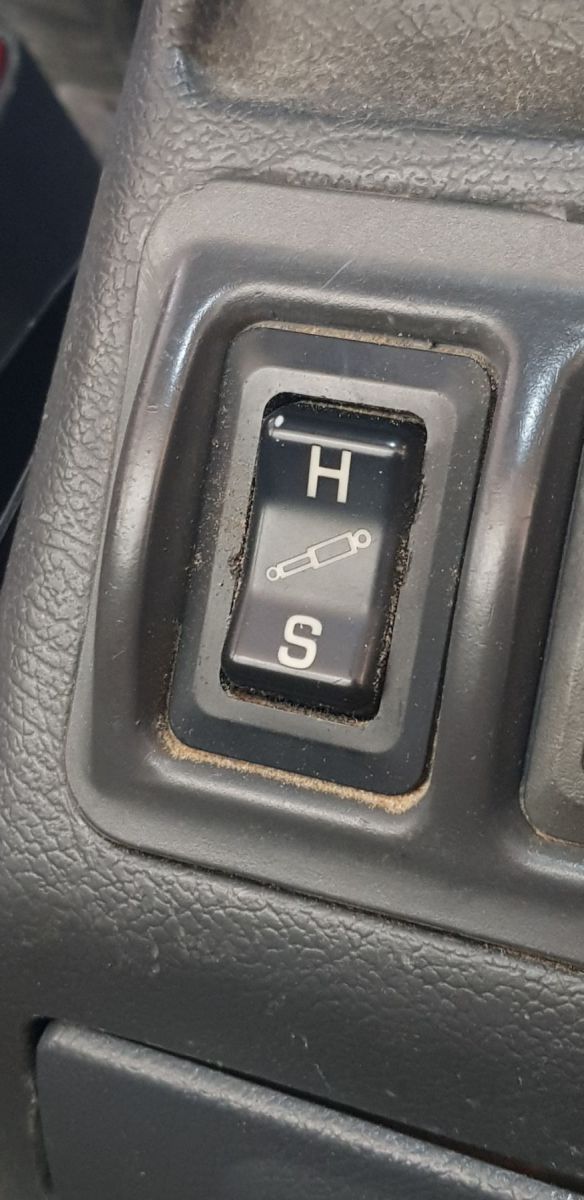
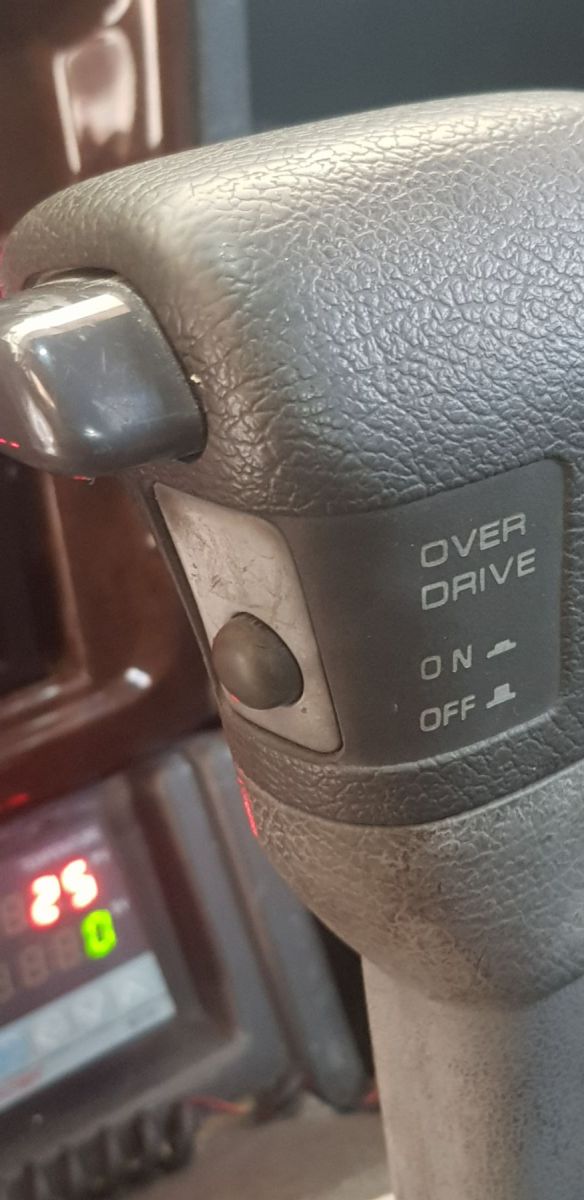
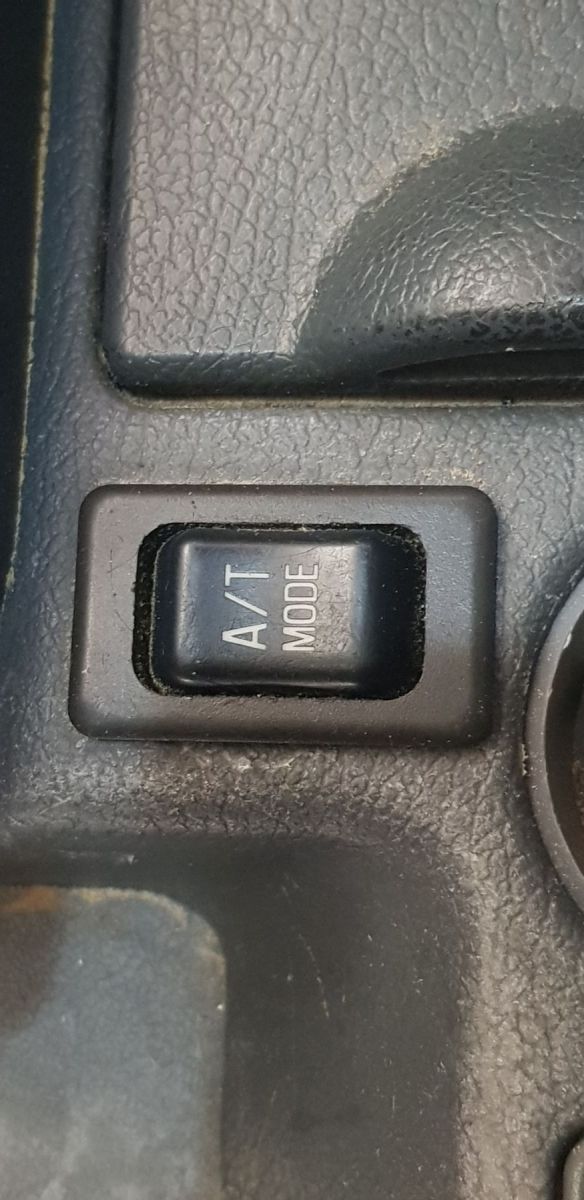
Your problem is around OD or AT button and you need a good electrician to strip the wiring around and check all cable with multimeter for continuity and patch the one that is torn or broken. I recently had the same exact issue on my 3.5 Pajero, my problem was the switch wiring that control A/T - PWR & HOLD toggle switch. If your Pajero has the same switch, pry open that and check all wires underneath. I wasted too much time and money to trace this listening to all decorated Pajero experts and regretted. I will post a pic of that switch shortly.2 points
-
Check AT switch near ashtray. Check OD switch on gear knob. Check suspension setting switch under armrest. All these 2 or 3 switches wiring is passing through center console, so if previous owner installed some electric mods and opened this area, must have spoiled the wiring. In my case I added 6 switch gang panel to put all electric fan, light in one place and after few months this drama started. It was hell and back to explain this problem where all were pointing to old car, change gearbox, change car kind of non sense feedback. Finally I chase my old electrician who installed the gang panel and told him to check all cables and within half day, car was back to normal after struggling for 2 weeks.
 1 point
 -
Sorry @M.Seidam I'm giving too have to pull out. Don't think I can make your drive finishing at 02:00 and @DP1011 drive starting at 05:15 in Abu Dhabi safely. I'll look forward to seeing you in the next one 👍1 point
-
get some apple airtags for them is the obvious solution😎1 point
-
It is no mystery that off-roading takes a heavy toll on your vehicle. In this topic we will discuss the preventative and corrective measures you can do to minimize the risk of your 4x4 breaking down in the desert. While below steps will not remove the chances of breaking down completely, it will at least reduce the potential significantly. Preventative - Pre-Drive Checkup This preventative check takes only 15mins and will take away a lot of the potential issues you can come across. It does not take away the need to get your car serviced but is merely a quick first inspection before heading out into the desert. 1. Check your oil level on the dipstick. If the level is too close to the minimum level, or the oil is appearing too black, replace the engine oil. We generally advise you to replace the engine oil: * at 80% of the normal recommended km. (for example change your oil at 8,000km instead of 10,000km) in case you are an occasional off-roader. * at 50% of the normal recommended km when you are a hardcore high level dune basher. How to Read an Oil Dipstick - AutoZone We always recommend using fully synthetic oil only from a well-known brand only (Mobil1, Castrol, Amsoil, Redline). Our cars deserve only the best if we push them to the redline on regular basis ! Make sure to run the engine for 5-10mins first so the oil is at the right temperature and viscosity before turning off the engine and taking out the dipstick. 2. Check your coolant level. The overflow tank will have a min. and max. level line. Coolant level should be within this range. Coolant should be replaced every 50-60,000kms with the recommended type of coolant for your 4x4. 3. Check your air filter. Off-roading will clog up your air filter quite soon, so inspect it before every drive by opening the air filter box and taking out the filter element. Take out the filter and gently tap it on a soft surface. The majority of the sand will come falling out. * If the filter element is paper-made, better to replace it every 20,000km. * If it's made of a nonwoven fabric or material than can be cleaned you can clean it with a gentle water pressure and let it dry (having a second filter at hand is very useful so it has time to dry out). In case of an oiled filter, you will need to follow the recommended maintenance of these filters religiously which includes oiling the filter after cleaning it. PS always make sure the close the airbox properly. In some vehicles it's a bit tricky and you don't want to have sand getting inside ! Make sure all the clips are on and there is no misalignment. Even the mechanics often make this mistake when being in a rush. 4. Check for any loose hoses or leaks. While you are under the bonnet, have a close inspection at the air intake hose to make sure there are no cracks, and look for any suspicious signs of leaks (often you will find a leak as the sand sticks to it). 5. Check the pressure of your 4 tyres. If you inflated it properly on the previous drive, then the tyre pressure should still be the same. If you notice that 1 tyre has a lower pressure, it could mean there is a slight leak. Either from the valve stem, or a small puncture. You don't want to drive in the desert with a leaking tyre as this will be a recipe for regular pop-outs. 6. Battery. It is visually not possible to inspect the car battery, but after about 1 year you might start seeing signs that the car doesn't start on the first go. A good tip is to pass by a service station like Autopro which is generally next to the gas station and ask them to perform a battery health check. They have a special device that will show you the battery health in about 2mins. If the result is below 50-60% i would recommend replacing it. Those devices are available on Amazon as well: Car Battery Tester - YUNGU 12V Battery Alternator Analyzer Load Tester Starter and Charging System Tester Battery Analyzer for Cars Motorcycle Marine Truck and More : Amazon.ae: Automotive 7. Dashboard lights. Do you have check-engine lights? Better get them looked at by a professional mechanic. These are indications something is wrong and it should not be ignored. If you are a bit technically inclined, get yourself an OBD scanner tool that allows you to read out any DTC (fault codes). 8. Clutch. In case of manual gearbox: if you noticed the play of the clutch pedal has changed recently, like feeling a lot softer, this is a clear indication something is wrong. Do not go off-roading with a faulty clutch ! 9. Underneath the car and your parking spot. Have a look underneath the 4x4 itself. If you see lots of sand sticking in some area nearby the engine and/or transmission, this means you have an oil leak somewhere. While in old cars small leaks are acceptable, in newer ones this should not be tolerated. Check the parking floor as well, as this will give you an indication if you have a coolant leak or other oil leaks. During The Drive 1. Keep an eye out for overheating signs. Stop the car immediately and inform the convoy if your engine or transmission is overheating. 2. If you made a nasty hit, ask the convoy to stop for a minute. Step out and inspect the front of the car including radiator, bash plate, and verify if you have any leaks. If you can spot it early enough most probably it can still be fixed and we don't have to drag your 4x4 out of the desert. 3. Understand your 4x4. With every drive you will gain experience and you will learn from pushing the car how much it can take and for how long it can take this. The more you are in tune with your 4x4, the quicker you will spot any potential issues. Post-Drive Checkup This can be done while inflating your tyres. 1. Open the bonnet and check for any loose hoses or leaks. Same as in step 4 mentioned in the pre-drive checkup. 2. Check for any debris underneath the car. Especially after having driven in bushy terrain. 3. Check for any leaks underneath the car. 4. Inflate the tyres back to normal pressure. 5. On the way home, turn off the radio and listen to the car itself. Suspensions squeaks or rattling noises means you'll need to take it to the mechanic to get it inspected. Long story short. If you look after your 4x4, she/he will look after you and you will be able to enjoy this sport with less head-aches and costly repairs. Make sure to do your due diligence in selecting the right service/repair shop as well that doesn't cut corners but understands that as an offroader you want your car to be in the best possible condition technically. Please do share your own experiences and tips !1 point
-
Great article @Frederic which covers all the 'hard' issues of which vehicle. Someone looking to start driving also should think a little but about the 'soft' side as well. What do I mean by that? For many, their street car is their pride and joy and suitability probably also needs a few more filters: Risk of damage: Off roading is inherently risky. While at Carnity we always try to make sure that the drive is as safe as possible, if you are going to get frantic because of the risk of your bumper or some other part of the car being ripped off - your car is probably not suitable. Cost of damage: Tied to the above is that the sort of damage cars will receive off road is normally (but not always) cosmetic. If you would think about immediate repair and the parts of your SUV are very expensive [think here a new front of back bumper] - your car is probably not suitable. Dirt, dust and sand: Your vehicle is going to get dirty out in the wilderness, inside and out. If you are worried that the napa lamb leather will be ruined by sand or dust and it's going to frustrate you that you can never really get all the sand out after a drive - your car is probably not suitable. Know your car: You will need to know how to over ride a few systems in the vehicle that are there on tarmac for your safety. You'll be disabling air bags, traction control, ABS. If the idea of that horrifies you or you don't want to spend the time looking through the manual understanding how to do that - your car is probably not suitable. I don't want to turn anyone off the idea of coming for a drive (quite the opposite) but you'll simply not be relaxed and enjoy your experience if you are worried that something might happen to the car [and that's before we even start to talk about the different strains on the mechanics of the car to which it will be introduced in the desert]. If you do decide it's for you, we can promise fun and a really amazing new experience for both you and your vehicle.1 point
This leaderboard is set to Dubai/GMT+04:00