
-
5.0 Stars ⭐⭐⭐⭐⭐ 628 Google Reviews


Frederic
-
Posts
9,219 -
Joined
-
Last visited
-
Days Won
477 -
Country
Belgium -
Carnity Points
4,284 [ Donate ]
Content Type
Profiles
Forums
Advice
Complete Onboarding & Agree to Club Rules & Guidelines
STORE
Events
Gallery
Blogs
Everything posted by Frederic
-
How to Merge Different GPX tracks to Create One Track
Frederic replied to Looper's topic in Off-Road Club's Discussions
Yes that’s true, when i mentioned merging I meant that CalTopo can put them all into 1 gpx file, not that they would become one continuous track. CalTopo has a fantastic route planning and track library / organization setup, but the mobile app still needs lot of improvement. -
Ah the signature taste XJ pizza ! We’ve all known and came to love it !
-
Wishing you a blessed year with lots of fun taking the XJ everywhere !
-
premindra rajaram has been promoted to Fewbie Plus level
Frederic replied to Gaurav's topic in Off-Road Club's Announcements
Gefeliciteerd @premindra rajaram ! -
Marketa Dobesova has been promoted to Fewbie level
Frederic replied to Gaurav's topic in Off-Road Club's Announcements
Well done @Marketa Dobesova !! -
Jaro Tuzinsky has been promoted to Intermediate level
Frederic replied to Gaurav's topic in Off-Road Club's Announcements
Well done @Jaro Tuzinsky !! -
How to Merge Different GPX tracks to Create One Track
Frederic replied to Looper's topic in Off-Road Club's Discussions
yes you are right, but i hate the folder/subfolder system of Gaia.... -
16" rims are in my opinion the best size rims, as they leave plenty of space to go for a tyre with a bigger sidewall. You can easily fit 275/70/16 or 275/75/16 without any issues. On 17 or 18" this is a much bigger issue.
-
How to Merge Different GPX tracks to Create One Track
Frederic replied to Looper's topic in Off-Road Club's Discussions
Good topic. I use the web browser of Caltopo for that. You don't even need a subscription: 1. Open Caltopo CalTopo - Backcountry Mapping Evolved 2. On the left hand side, click on IMPORT and select your gpx tracks and waypoints you want to club together. 3. Once you've imported your tracks, now select EXPORT, and choose the format "GPX". You will now end up with 1 gpx file with all your tracks and waypoints inside of it, This is handy to basically create 1 GPX file that contains all tracks and waypoint from a certain time range, area, emirate, or as you wish to categorize them.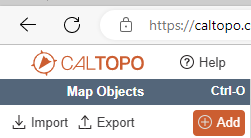

-
- 649 replies
-
- 7
-

-

-

-

-
- funny car memes
- funny car memes uae
- (and 3 more)
-
untilDRIVE DETAILS Level: Fewbie and above When: 7 May 2023, Sunday Meeting time: 6:00 AM - Sharp (Without any exceptions) Meeting Point: Near the Camel Race Track: https://goo.gl/maps/7sjCcG4Nr11E5u7f7 Approximate finish time: 10:00 AM Type of Car: Any proper 4x4 with front and back tow hooks and 8-10 inches of ground clearance. What to bring along: Loads of water, snacks (for yourself), smiles, enthusiasm and willingness to learn. Mandatory off-road gears: Tire deflator, tire pressure gauge, compressor, walkie-talkie radio, off-road flag, shovel, first-aid kit and fire extinguisher. LIMITED SPOTS AVAILABLE This drive is limited to 10 cars only. RSVP will close on FRIDAY - 12 PM If the RSVP is full, you can add your name to the waitlist, once anyone drops, you will be moved to the RSVP list. RSVP will close a day prior to preparing a convoy list. Latecomers will be returned back - Without any exceptions. Members without RSVP will be returned back - Without any exceptions. Please withdraw your RSVP, if you aren't joining, so your spot can be taken by others. Repeated no-show members after RSVP will have their account suspended for a month.
-
DRIVE DESCRIPTION With the Oman mountains as a backdrop, we are planning to explore a rather unknown territory, situated next to Dubai-Al Ain Road. Do expect technical dunes, powder soft sand, lots of gazelles and camels, and weird dune formations. This drive will definitely test your skills and our shovels will be out of the car quite often ! MUST READ AND COMPLY Off-road Flag Guideline Two Way Radio Guideline Off road Driving Etiquette's Emergency details for all off-roaders Off Road Driving - Roles & Responsibilities DRIVE DETAILS Level: Fewbie and above When: 7 May 2023, Sunday Meeting time: 6:00 AM - Sharp (Without any exceptions) Meeting Point: Near the Camel Race Track: https://goo.gl/maps/7sjCcG4Nr11E5u7f7 Approximate finish time: 10:00 AM Type of Car: Any proper 4x4 with front and back tow hooks and 8-10 inches of ground clearance. What to bring along: Loads of water, snacks (for yourself), smiles, enthusiasm and willingness to learn. Mandatory off-road gears: Tire deflator, tire pressure gauge, compressor, walkie-talkie radio, off-road flag, shovel, first-aid kit and fire extinguisher. LIMITED SPOTS AVAILABLE This drive is limited to 10 cars only. RSVP will close on FRIDAY - 12 PM If the RSVP is full, you can add your name to the waitlist, once anyone drops, you will be moved to the RSVP list. RSVP will close a day prior to preparing a convoy list. Latecomers will be returned back - Without any exceptions. Members without RSVP will be returned back - Without any exceptions. Please withdraw your RSVP, if you aren't joining, so your spot can be taken by others. Repeated no-show members after RSVP will have their account suspended for a month. PLEASE RSVP ON BELOW CALENDAR
-
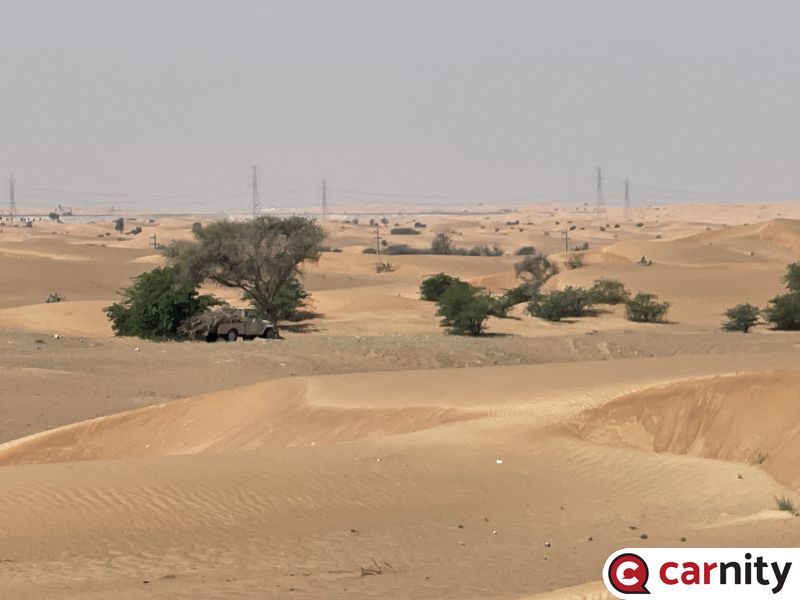
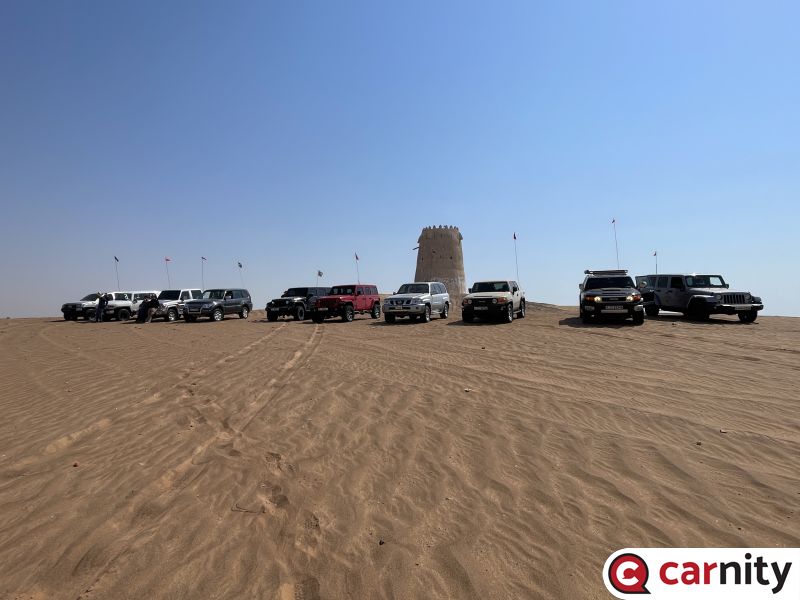
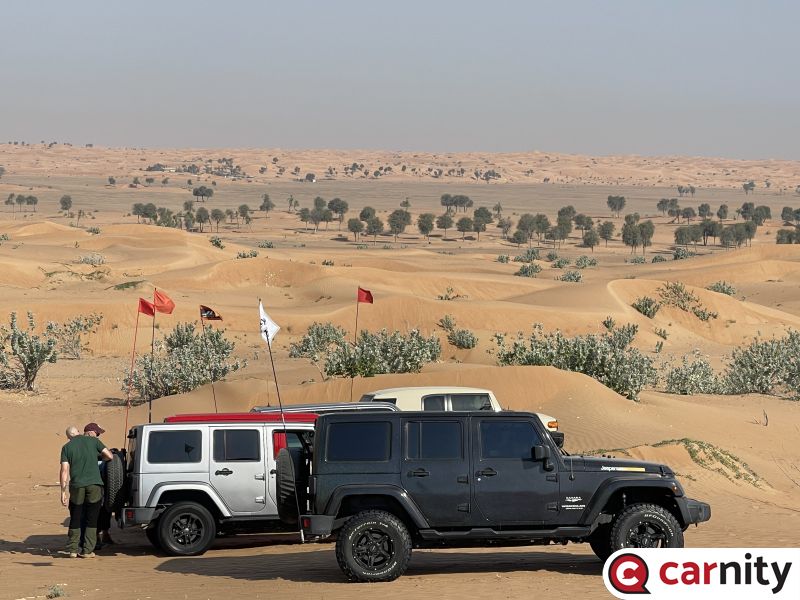
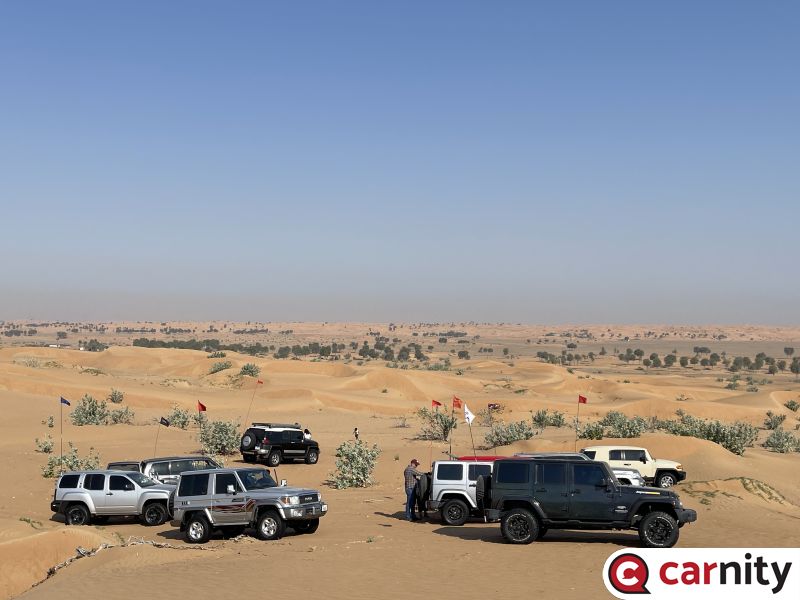
What a splendid morning !! Seeing a new lead at work is always a pleasure, and in the case of Davie, that I had the pleasure of seeing in his early days in the club, to the point where he is now, gives an enormous amount of satisfaction that as a club we are able to create a fertile breeding ground for off-road explorers to go through the ranks and reach the stage where they can lead a drive effortlessly and manage his convoy and the challenges with a smile. As a second lead, which means polishing the tracks a bit of the lead in front, I actually had little work to do, and got to enjoy the beautiful lines Davie took and could take some scenic sights in as well. I love driving in this area as it really gives us a "out of the city" feeling, and throws us back to simpler times. After finding an underpass through the Etihad rail (modern meets old in this area), we made our way towards the Northern Falaj Al Mualla watch tower. After doing some research this morning I came to know there are only 3 in total, and they were used to guard and protect the oasis (water channel, or "Falaj"). As I mentioned in the briefing, I encourage all of you to explore the entire UAE and especially areas like this, as we might take them for granted now but in perhaps 15-20 years from now they might fall victim to the fast-progressing modernization. The Etihad rail crossing through it is one of the first signs. The entire convoy drove superb. I felt the soft sand with my heavy boat and was concerned about the other behind me, but you all pushed your way through the soft sand, tricky spots, and steep declines. @Patrick @Ahmed Wagdy @Misha Puskar @Stan @Frans M @Zubair and @premindra rajaram. Great to see you in the sand again and thank for the help @Mehmet Volga ! @premindra rajaram you might have turned your Xterra into a green ecological version, but nevertheless fantastic job as a sweep ! See you all soon in the sands again !
- 15 replies
-
- 10
-

-
-
-

-
E119EB90-48A0-4416-8BF9-9FC92894537C.jpeg
Frederic posted a gallery image in Fewbie - Batayeh - Sharjah - 29 Apr 2023
-
31B9506A-8B21-4685-A251-4B6E228CCEF1.jpeg
Frederic posted a gallery image in Fewbie - Batayeh - Sharjah - 29 Apr 2023
-
B5BD75C7-DF3A-4444-BAEB-6849EF929FA6.jpeg
Frederic posted a gallery image in Fewbie - Batayeh - Sharjah - 29 Apr 2023
-
D1AA57E0-9FCB-4DA7-BC6D-22EBDB7BC6B4.jpeg
Frederic posted a gallery image in Fewbie - Batayeh - Sharjah - 29 Apr 2023
-
76FBCF43-9A3B-409C-8E68-A2823975AA30.jpeg
Frederic posted a gallery image in Fewbie - Batayeh - Sharjah - 29 Apr 2023
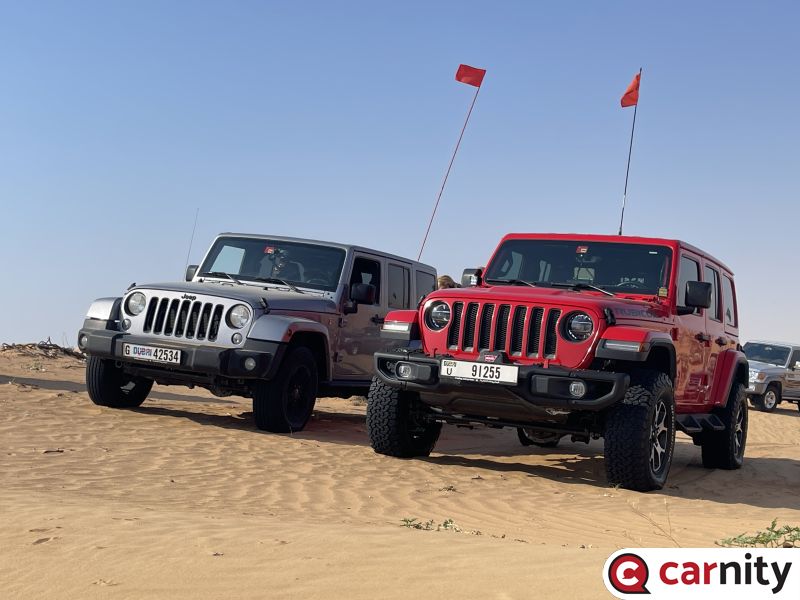
-
4AA000DE-6165-45DF-8943-F7DAA6B99BB0.jpeg
Frederic posted a gallery image in Fewbie - Batayeh - Sharjah - 29 Apr 2023
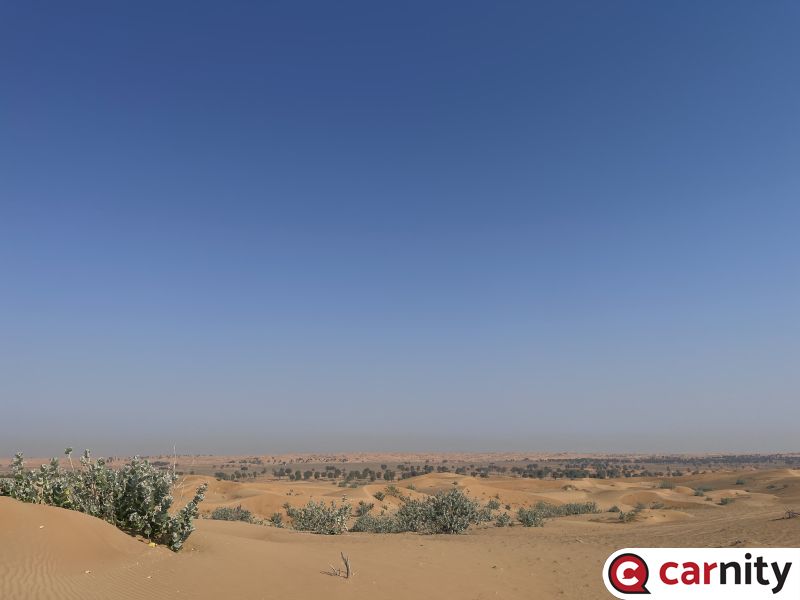
-
EA9BF894-57F8-4BB1-9348-030DC5140F2E.jpeg
Frederic posted a gallery image in Fewbie - Batayeh - Sharjah - 29 Apr 2023
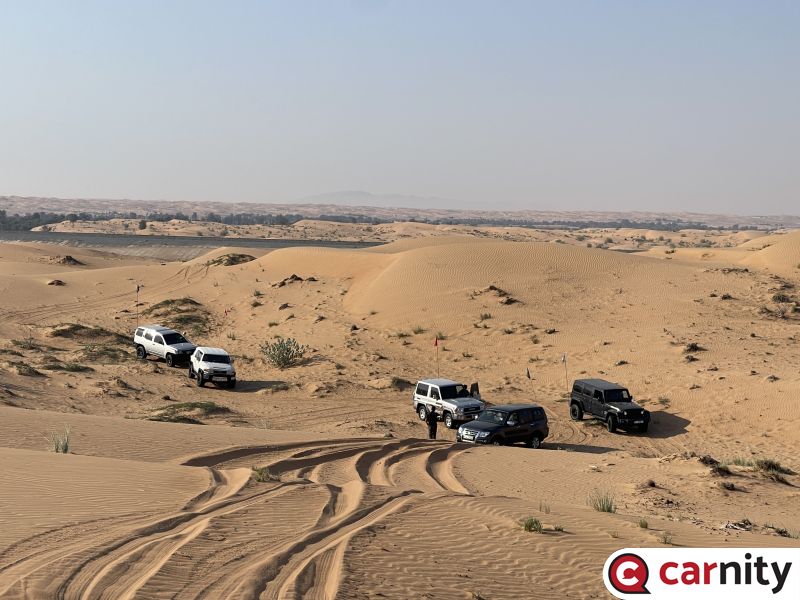
-
02AF5DCF-1201-4602-94AB-244E8B2765DC.jpeg
Frederic posted a gallery image in Fewbie - Batayeh - Sharjah - 29 Apr 2023
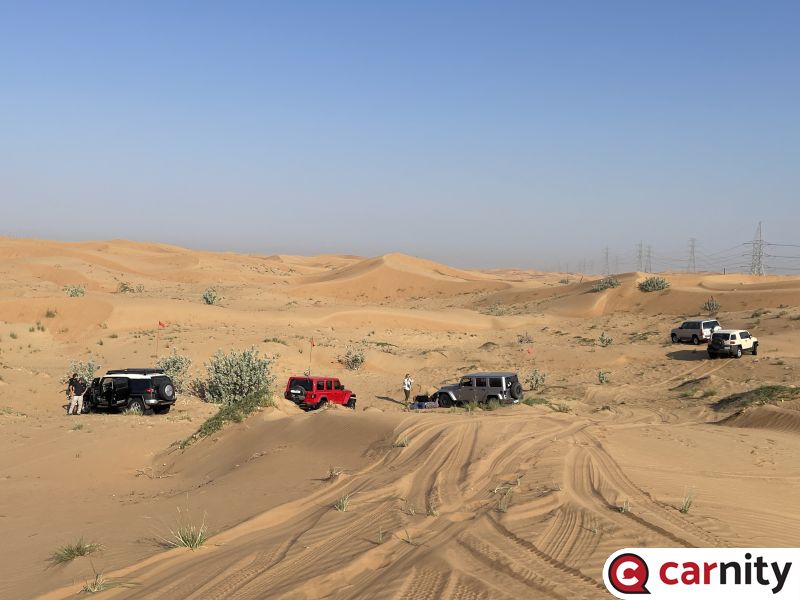
-
D5BC94F1-1E6F-4BD5-8937-6F7D80A0ED19.jpeg
Frederic posted a gallery image in Fewbie - Batayeh - Sharjah - 29 Apr 2023
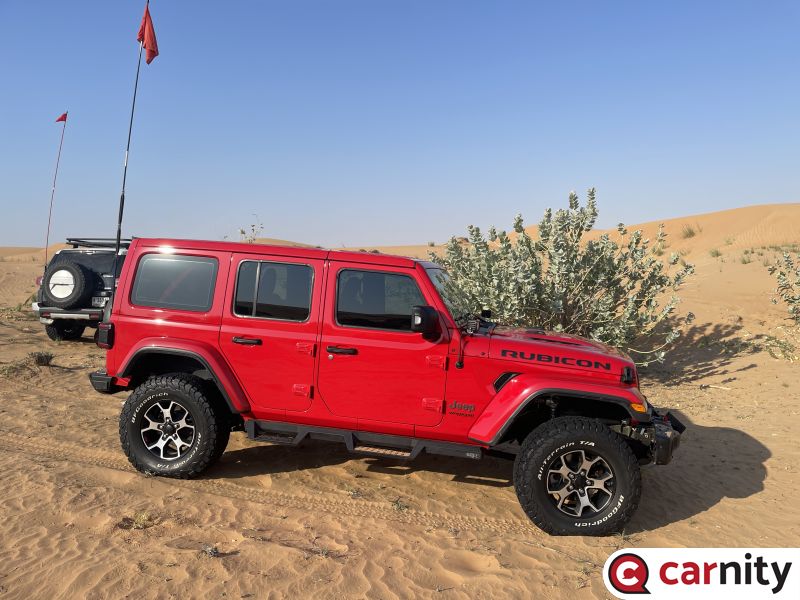
-
1EBDE899-A89D-48D4-85D5-7FC44C119E80.jpeg
Frederic posted a gallery image in Fewbie - Batayeh - Sharjah - 29 Apr 2023
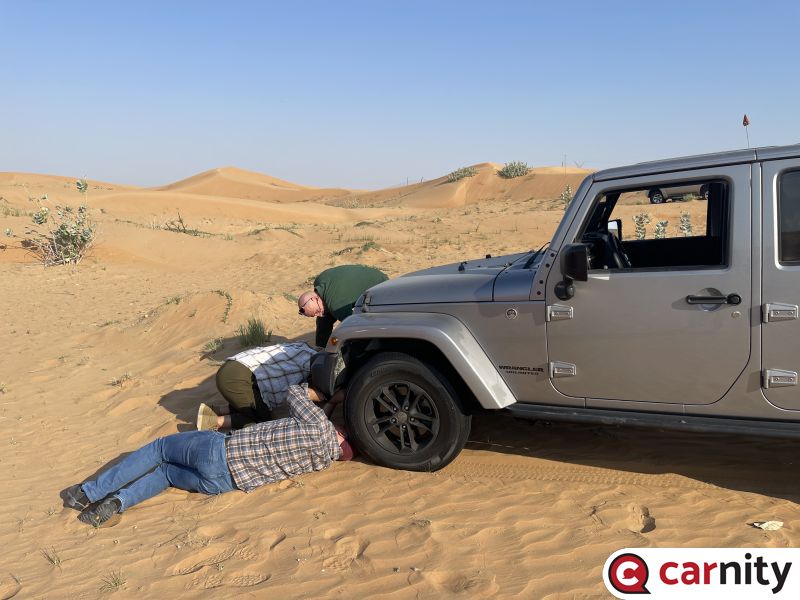
-
Spare Wheel after changing rims
Frederic replied to _luke_'s topic in Mitsubishi Pajero Forum in UAE
Make sure to keep your license plate lighting working. Otherwise the RTA will not pass it. -
Pajero 3.8 engine mount replacement
Frederic replied to Stumpy's topic in Mitsubishi Pajero Forum in UAE
Very common item to go on any off-road car. Never tried that myself though 😅 PS your HC readings are a bit on the high side ? Are you running without catalytic converter ?