
Leaderboard




Popular Content
Showing content with the highest reputation on 07/24/2016 in all areas
-
Hi Jimmy, thats a great question to ask here's your reply: viscosity of the Oil: Regular Oil oil is more thick than the Synthetic Oil, so yes that is true what the mechanic said. But what he is implying is totally wrong. SO has special added chemicals which make is stick to the internal walls of the body and provide better lubrication. Enhanced engine cleaning and long term protection: Synthetic Oil's stick chemicals are better are capturing the engine particles and when the oil passes through the oil filter these particulars are collected in the filter. with Regular Oil these particles will find easy to hide place and start depositing their cause even greater damage to the body of the engine as the engine gets old. Built for the cold weather: in winter, Regular Oil at the bottom of your car's engine will take a long time to heat up and become thin enough to flow through out the engine body. Synthetic Oil on the other hand is designed to be thin and can get to every engine part much quicker than Regular Oil. More heat absorption: Regular Oil with age does absorb enough heat and it being thick makes it hold on to the heat much longer. on the other hand Synthetic Oil is thin and it can absorb and releases heat quickly and this is why the SO has a longer life than any Regular Oil. Oil flow resistance: thicker oil like Regular Oil needs more force to flow through the tightly packed engine body. This is why the marker of Synthetic Oil make the Synthetic Oil thin so that it can flow easily with out any or very little resistance. Better Fuel Saving: thick oil needs more force to flow which cause a burden on the engine and hence increase the engine load and requires more fuel. whereas, Synthetic Oil are built thin and they can actually help you get at most 7% to 10% fuel saving. Synthetic Oil the champ of Turbo engine: If you have a Turbo engine then you would know that the turbo itself gets extremely hot. Synthetic Oil is design to withstand this temperature. Regular Oil simply cannot handle this much heat and will last far less than Synthetic Oil. Why do mechanics recommend certain brand or type of Oil: they work on commission basis and they probably have 2 or 3 type of brands in-house. for each they have a sales target. if you buy from them then simply make more money on their recommended brands. Hope that this helps2 points
-
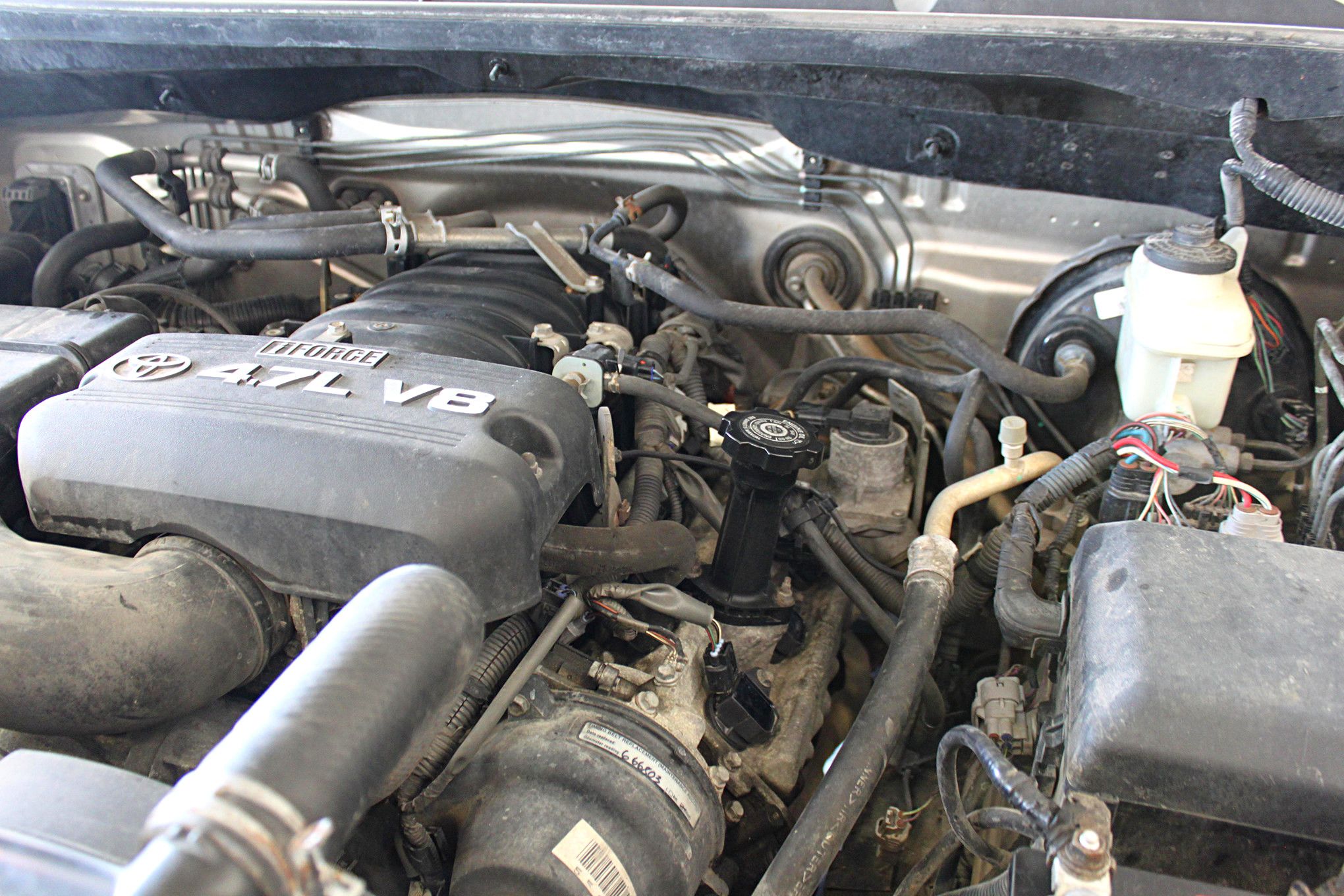
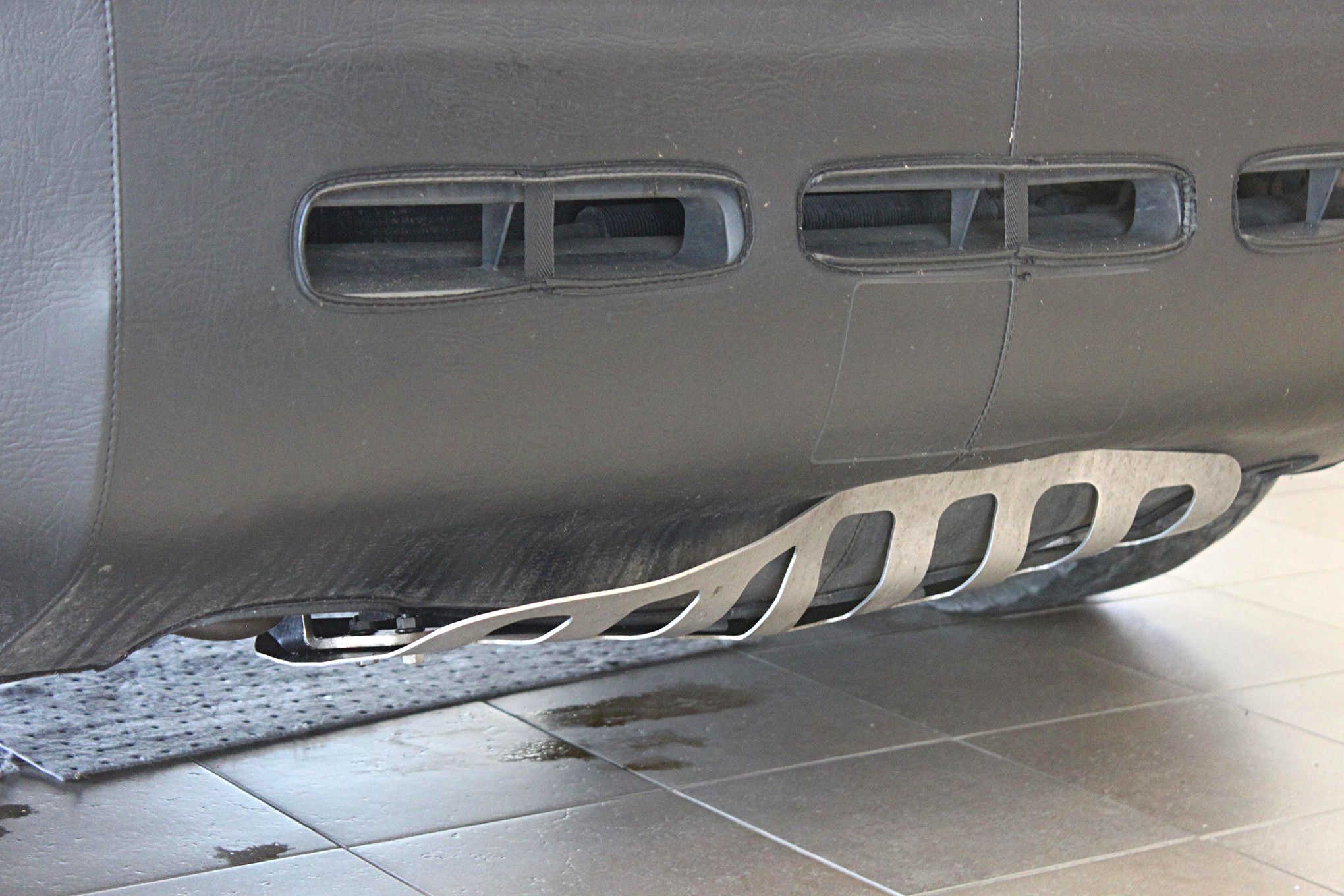
Now that's what I called "QUALITY" to reach a million miles = 1.6 Million Kms in nine year. Damn Toyota, you guys are just tooooooo good. Although I am hardcore Land Rover fan, but things like this from any car manufacturer need recognition and respect. VERY GOOD JOB TOYOTA, YOU ARE A TRUE INSPIRATION IN AUTOMOTIVE INDUSTRY http://www.trucktrend.com/features/1607-toyota-buys-victor-sheppards-million-mile-2007-tundra/







 1 point
 -
Buy a Tiida or Yaris, problem solved.1 point
-
The tilt on the wheels is called camber. Stance is how a car sits and includes camber, ride height, tyre and wheel width etc.1 point
-
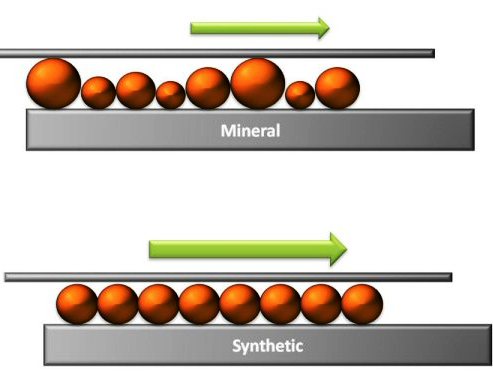
Hi Jimmy Other posters in this thread make some good points, but here is some more information- 1.) Synthetic oil is not synthetic- it is made by distilling various gasses like methane, carbon dioxide, carbon monoxide and others into a liquid, to which much the same additives are added as to mineral oil. 2.) The problem with mineral oil is that the molecules are not the same size, meaning that some oil molecules are too small to provide proper lubrication; thus, the entire lubrication load is placed on the large molecules. On the other hand, the molecules in synthetic oil are all exactly the same size, meaning the lubrication load is shared equally between all the molecules in the oil. Look at the picture below to see how this works- 3.) The viscosity of mineral oil is influenced by some types of molecules that change their shapes as the oil temperature changes. As the oil gets hotter, these molecules spread themselves out into what looks like small plates, which makes the oil flow easier but with some oil formulations, these "plates" spread themselves out so thin, and so far apart that lubrication starts to suffer. To prevent this, manufacturers add special additives to control this "spreading out" when the oil is hot to improve lubrication at high oil temperatures, but the downside is that at low temperatures, these additives cause oil molecules to clump together, making the oil very difficult to pump around the engine, thereby reducing effective lubrication. Synthetic oil does not need this special additive because the oil has a natural tendency to flow at a constant rate over a wide range of temperatures, which means that the oil provides superior lubrication right from start up to shut down. 4.) Not all oil sold as synthetic is in fact synthetic. Mineral oil that is extracted through "hydro cracking", also known as "fracking", is still mineral oil. The only difference is that it was brought to the surface by a different method, but in some markets, especially the USA, this mineral oil is sold as synthetic, so be careful of what you buy. You may be getting mineral oil instead of synthetic when you buy imported oil. 5.) You can safely use synthetic oil in any car engine. It mixes freely with the little bit of mineral that stays behind in the engine when you change oil. 6) It is NOT correct to say that car makers fill new engines with mineral oil, and only change over to synthetic oil at the first service. All engines that require synthetic oil receive synthetic oil at the first fill in the factory, because engines that require synthetic oil won't survive with mineral until their first service. Mineral oil just cannot provide the lubrication required to keep a high performance engine alive, and besides, mineral oil will kill the emission control system in the first couple of thousand kms. I hope this answers some of your questions. If you want to know more, feel free to post your questions to this thread.
 1 point
 -
It an excellent points explained by salmanahmed, I only like to expand his last but not least point that mechanic's being in authoritative position can very easily brainwash customer mind in seconds. They love showing off the big drum they have for crappy brand and portraying that he himself is using same in his own car and other 20 cars that he service daily. This is the most common logic that is served worldwide, but my question or way to analyze the situation is bit different: My car is different from other 20 brands. So best is to go with OEM recommendation in the owners manual for the right type and specification. If you don't have owner's manual google fact as relying on the dealers info is also risky as some dealers twist and turn real requirement sometime for their business benefit and when you confront them they act dumb and say 10W40 and 20W40 is almost same and why I am talking too much.....? Once you 100% know which spec oil you want and which type synthetic or mineral then google the fact that your car manufacturer endorse or recommend which motor oil and go with them. This way you are super safe and steer clear from the crap sold in market for couple of bucks profit to screw your engine life.1 point


This leaderboard is set to Dubai/GMT+04:00