
-
5.0 Stars ⭐⭐⭐⭐⭐ 628 Google Reviews


Barry
-
Posts
2,897 -
Joined
-
Last visited
-
Days Won
253 -
Country
United States -
Carnity Points
184 [ Donate ]
Content Type
Profiles
Forums
Advice
Complete Onboarding & Agree to Club Rules & Guidelines
Marketplace
STORE
Events
Gallery
Blogs
Everything posted by Barry
-
Here is a very good documentary on the delorean story, this year was the 30th anniversary. There was a huge event in Belfast and a large number of the cars came back to where they were born. They also had a long drive around the island so everyone could enjoy them.
-
I've read elsewhere that the car in the photo is supposed to be the concept version of the detomaso pantera. Another very cool car in its day. The original dmc12 was built not far away from my hometown and there was always a lot of buzz about it. John Delorean was a legend in my eyes. He managed to completely screw the British government and get away with it. I always thought it was sad the way the FBI decided to set him up on a cocaine deal. Possibly wasn't the best way for him to make some quick cash but his heart was in the right place trying to get money to save the jobs of the workers at the plant.
-
I would like some of the figures to be a bit more accurate than 35-80 miles. 45 miles is a big distance! I used to have a VW Polo and I wanted to know how far it would go before it actually conked out so I put a gallon jar of petrol in the boot and set out. I got quite a suprise when the needle went way below the zero mark. Running out of fuel used to be one of my favourite hobbies. Always had to be somewhere and never had time to go to the petrol station, too much rushing. Not to much trouble on a petrol car, just put fuel in again and go but caused a lot of problems in some diesels I had, especially older ones which would airlock and were a PITA to get going again at the side of the road.
-

Steam Washing for Engine and Under Body
Barry replied to DiamondDallas's topic in Mitsubishi Pajero Forum in UAE
Make sure whoever does it covers your coil packs, exposed wiring plugs etc with an old plastic bag or similar. -
Check everything. If there's a switch or a knob, push it and make sure it works. What may seem like a small problem can be expensive to repair. Use defects as a bargaining chip on purchase price.
-
Trail Blazer interior light mystery
Barry replied to Gaurav's topic in Chevrolet Trailblazer Forum in UAE
Look for a switch on the a or b pillar where the door closes against it. It'll be like a small button with a rubber cover. If it's stuck, spray some wd40 on it and tap it until it starts working. You should be able to pop it out with a screwdriver. If you bridge the terminals on the plug with a paper clip or a bit of wire, the interior lights should come on. If the lights come on using this method but don't work via the switch, you know that the switch is faulty. If the lights don't come on it is a wiring issue. -
Yes that's him. He still lives in india but he's here at the minute. There's a chance to go and meet him tonight if anyone's interested,

-
I could get on using my phone for a couple of days either
-
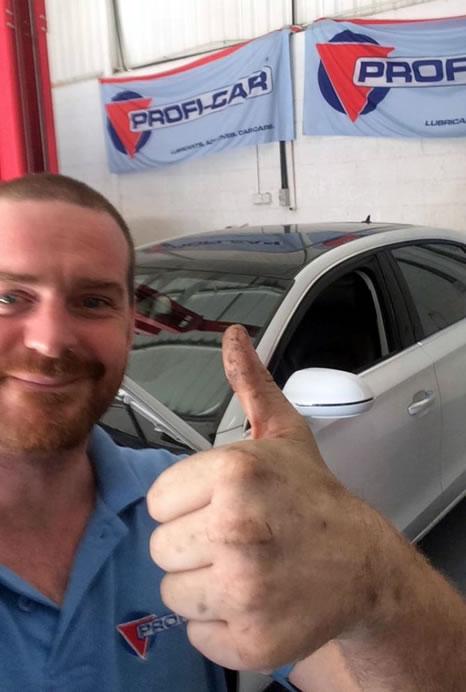
Fixing A8 for Sonu Sood
-
You're using the wrong garages then. I can reset it in 2 minutes.
-
Where did the name Nissan came from?
Barry replied to lokie's topic in Nissan General Discussion Forum in UAE
FIAT - Fix It Again Tomorrow -
I think it's more important to have good speakers than big speakers.
-
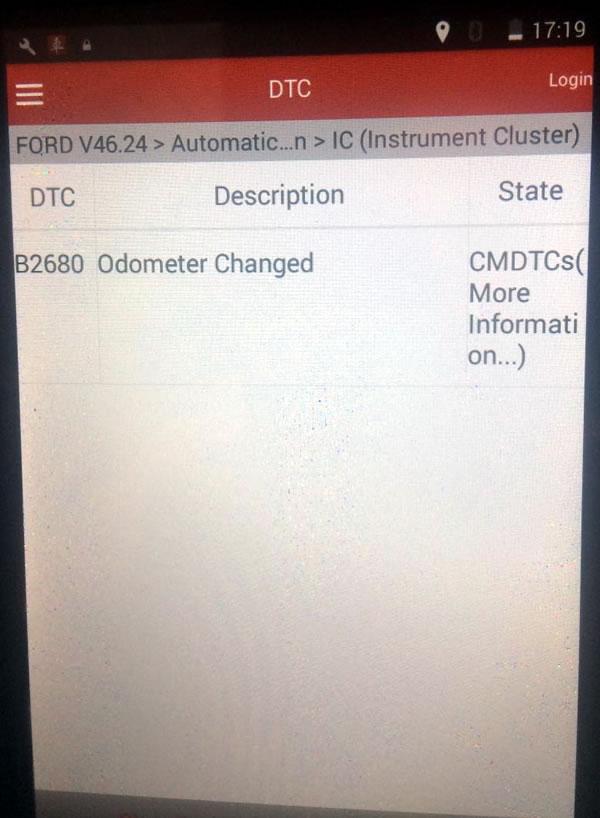
It depends on the car. I'm using Launch X431 Pro software, around 9,000 dhs. Same functions as dealer software with regular updates so if the dealer software can do it, I can do it. Some people have no shame. I was also doing a pre purchase inspection on a Camry for someone yesterday. The kms were pretty high so I was knocking the price back. The guy said no problem, 100 dhs and we can go to Sharjah and change it. Needless to say, we didn't buy it.
-
But you can't beat the technician.... heres one i came across earlier,
-
I came across this article on the Toyota Mirai and how one crazy Japanese guy turned one into a rally car. Anyone want to guess how long it will be before we see a fully hydrogen powered race series? Maybe even F1? http://www.autoexpress.co.uk/toyota/mirai/92585/toyota-mirai-hydrogen-car-goes-rallying
-
@Saleem this is something I need to investigate further. If you have any useful links etc. I would appreciate very much. I do know that in UK garages, nothing goes in the drain. All coolants, waste oils, brake fluid must be stored in bunded containers. Old rags, empty spray tins, used absorbant granules all go in their own container. Using sand or sawdust to soak up spills is a big no no. Old batteries go in a special sealed container. All containers etc. are collected by the recycling company once a month. For some things such as waste oil, batteries, you get money for recycling them. Other things such as coolant, rags etc. you have to pay to recycle them. The environmental agency carries out regular visits to ensure people are complying with the regulations. The rules in scrapyards are even tougher. All yards must be fully concreted, draining into a receptor tank which separates oil and water from the runoff. Oil is emptied from the receptor and the clean water coming from the receptor is regularly tested for ph and contaminants. Any soil which has oil spilt on it must also be sent to the recycling centre. Even soil which has had plastic or tyres stored on it is classed as contaminated land. PCBs are also classed as hazardous waste so most scrapyards are not allowed to touch electrical equipment without a special licence. You also need another special licence to deal with fridges. The environmental agency had the potential to cause a lot of headaches for me but i always did my best to ensure everything was kept legal. As long as you're making a genuine effort and not being an asshole about it, they will generally just tell you about any problems and give you a chance to rectify it. If you're an asshole, they just fine you first time and some of the fines have potential to bankrupt small businesses.
-
If you mean timing belt tensioner, I don't even bother inspecting it. Replace every time. Fit a full timing kit or you're just wasting your time.
-
If all the cylinders are bad, the engine will turn over faster than usual when you crank it on the starter.
-
Yaris is 10 times more reliable than a tiida. Tiidas are built cheaply, Yaris is built well.
-
Open the radiator cap or remove the top hose and look inside. You'll soon see if there's any corrosion. When the engine is cold of course.
-
Post up any innovative/interesting mods and parts you come across. I spotted this when I was browsing through a 4x4 magazine. It's a spare wheel holder that doubles up as a fuel caddy. http://shop.jeepey.com/product/fuel-caddy-aev-10305031aa/

-
Does anyone have any experience of grass/mud/snow and how do you find it compared to driving on sand? I had a 3.0 TD SWB land cruiser and it was awesome on grass, mud and snow. I used it for towing a car transporter trailer because of the awesome turning circle and amazing torque. Also tried LR Discovery and Mitsubishi L200 and nothing could touch the land cruiser.
-
Thank you @DiamondDallas please come back soon and enjoy our high quality selection of teas and coffees
-
Tractor tyres are actually incredibly tough, they're 3/4 times thicker than a car tyre and considering a small tractor is around the same weight as a car. I love my tractors. Currently have a David Brown 990 Implematic (David Brown originally designed the Aston Martins hence DB7, DB9 etc so maybe I've got an Aston Martin tractor?) and I have a Ford 4000 Force. Both tucked away safely in Ireland.
-
These are old videos but very entertaining. The first one is running a turbo Volvo engine, the second is running a v6 ford engine, both from cars. Look at them go! There loads of videos on the traktor terror Volvo and it is now in a new evolution stage.