
Leaderboard

Popular Content
Showing content with the highest reputation on 06/09/2025 in all areas
-
Thanks, Luke! Just when next weekend’s mornings appear to be full with family stuff, along comes this chance for a night drive. Impressive how this group manages to cater to individual agendas 🤣🤣5 points
-
Nope, they aren't discouraged. If you have them, you can use all of the off-road lights during nighttime driving, which helps you drive better. But if you don't have, then stock high beam is enough as well.4 points
-
Stock headlights are fine for the night drives @Herman G Only the lead really needs the ultra flood. Night drives are absolutely fantastic fun.. I recommend going along!4 points
-
" In the desert I had found a freedom unattainable in civilization; a life unhampered by possessions, since everything that was not a necessity was an encumbrance. "4 points
-
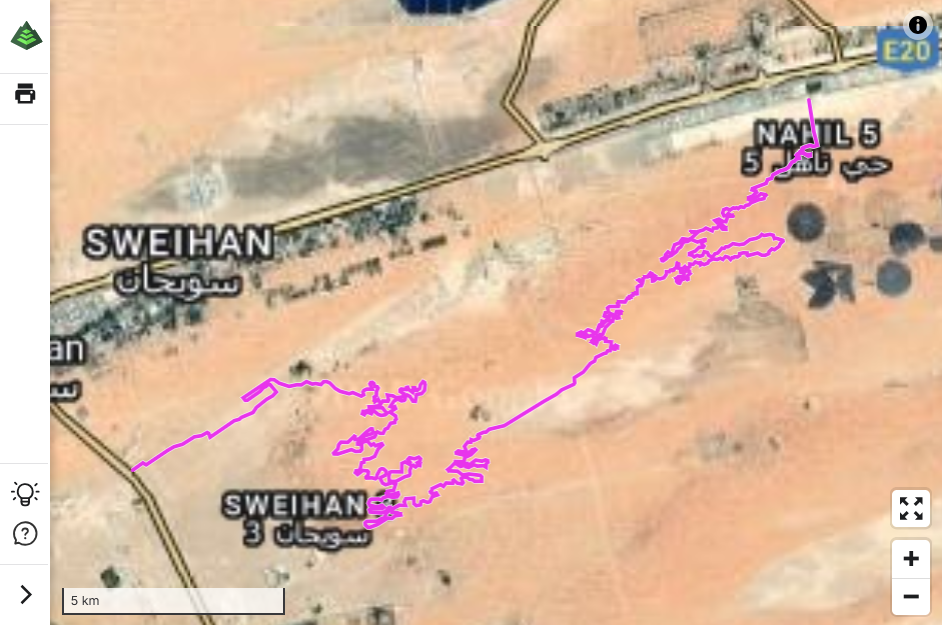
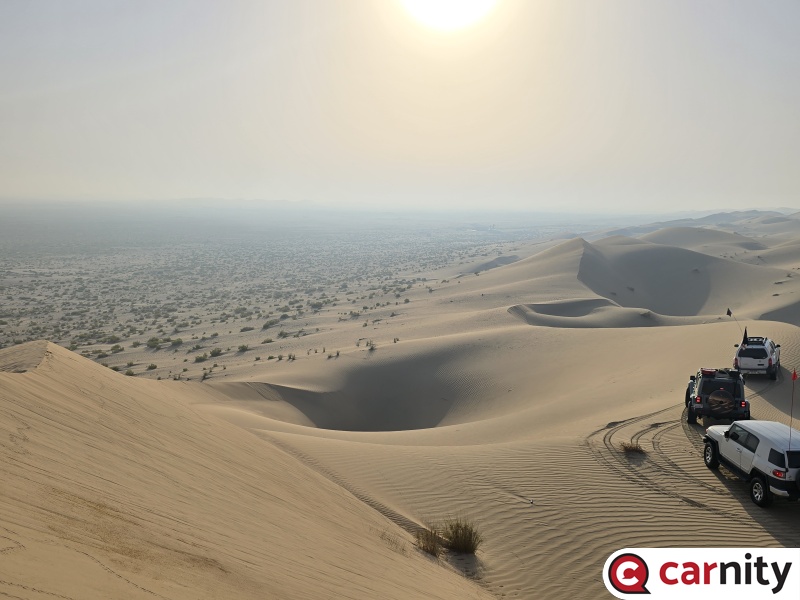
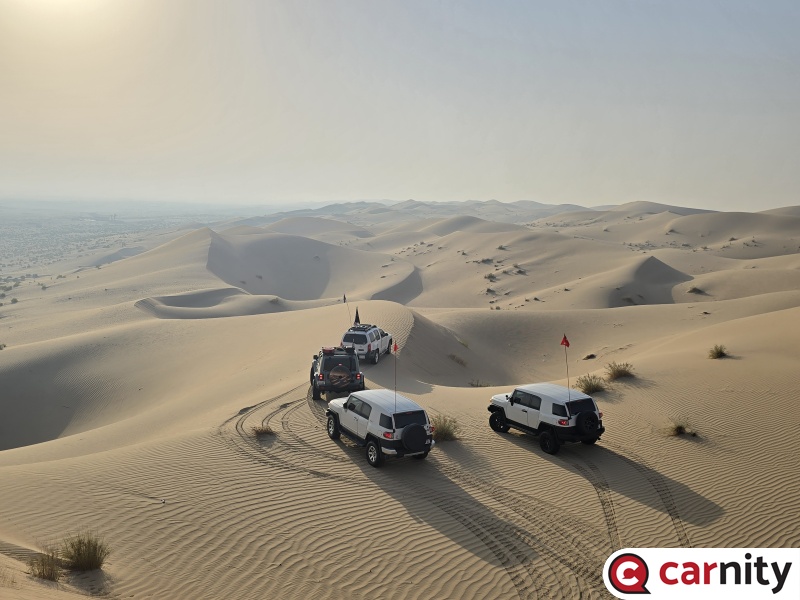
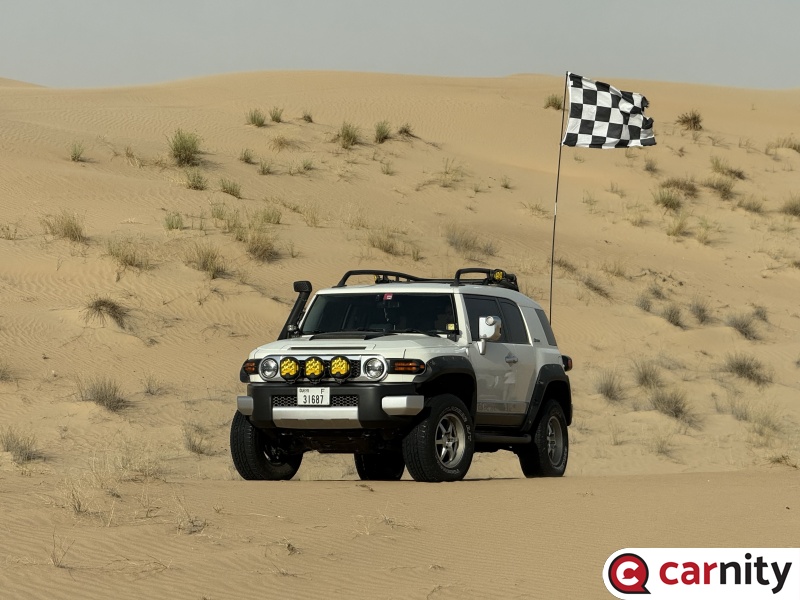
We request that every member joining this drive go through the information below and strictly follow these guidelines, etiquette, and responsibilities. MUST READ AND COMPLY Environmental Policy Offroad Flag Guideline Two Way Radio Guideline Off road Driving Etiquettes Emergency details for all off roaders Off Road Driving - Roles & Responsibilities Drive Details Level: Fewbie and above Meeting time: 08:00 am (departure time) Meeting Point: https://maps.app.goo.gl/BJodYk1wCDX5PUWd9 Action Plan: Second installment of the desert books' series, with the choice of a text dedicated to crossings the sands of the Arabian desert, hence very close to home. Authored by explorer and travel writer Wilfred Thesiger, "Arabian Sands" details his two crossings of the Empty Quarter: Thesiger’s first crossing, from Mughshin (Oman) to Liwa, was followed by a crossing of the western sands from Manwakh (Yemen) to Abu Dhabi. The book attempts to capture the lives of the Bedu people and other inhabitants of the Arabian Peninsula. I have chosen a track well within the Abu Dhabi area, where the author's second trek took him, wandering if Thesiger actually crossed these sands. We'll skirt some farms, as well as dwell among the more secluded cordons, to conclude the drive at Tilal Resort (anybody who wishes to have lunch there can arrange to stay). Still trying to distil the best of the book, and to build up to the day of the drive, I'll post a book's quote each day. Let's try to find inspiration in this Desert Books' Series to truly appreciate our interaction with our favorite element of nature. What to bring along: Loads of water, snacks (for yourself), smiles, face masks, rubber gloves, enthusiasm, and willingness to learn. Approximate finish time: 12:30 PM P.S. Only join if you have a compressor to inflate your tires after the drive. RECOMMENDED OFF-ROAD GEAR: Tire deflator & Tire pressure gauge Compressor (MANDATORY) Walkie-talkie radio (MANDATORY) Off-road flag (MANDATORY) Shovel, Tow Rope & 2 Shackles First-aid kit Fire extinguisher. LIMITED SPOTS AVAILABLE This drive is limited to 10 cars only. RSVP will close on Friday - 12 PM. If the RSVP is full, you can add your name to the waitlist, once anyone drops, you will be moved to the RSVP list. RSVP will close a day prior to preparing a convoy list. Latecomers will be returned - Without any exceptions. Members without RSVP will be returned - Without any exceptions. Please withdraw your RSVP, if you aren't joining, so your spot can be taken by others. Repeated no-show members after RSVP will have their account suspended for a month. PLEASE RSVP ON THE CALENDAR
 3 points
 -
Woah! Just made it..this one got full in less than a minute!😁3 points
-
"For this was the real desert where differences of race and colour, of wealth and social standing, are almost meaningless; where coverings of pretence are stripped away and basic truths emerge"3 points
-
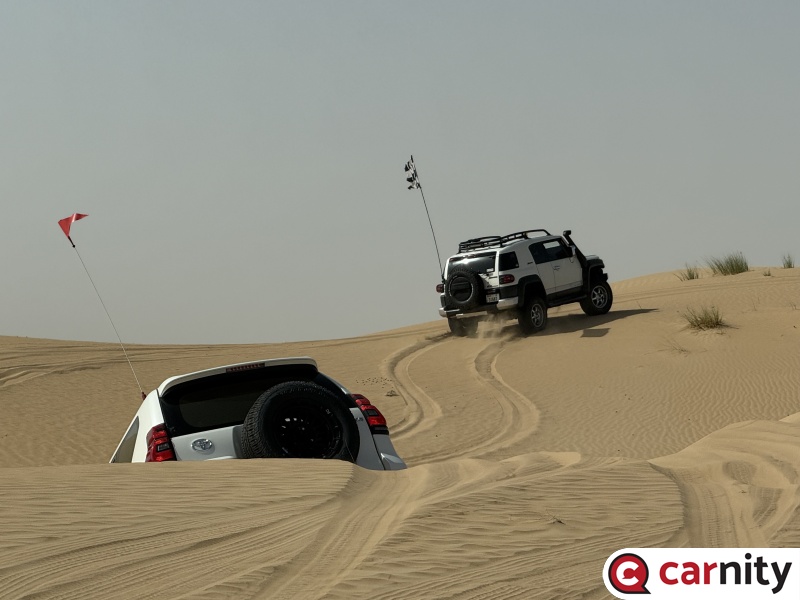
Pumped after this weekends training and real life limp vehicle recovery application!3 points
-
Thanks @Looper and everyone for great drive and your support at the end. Sorry for ruining the rest of the drive.i done 27 drive and this is the first time i experience such thing 😵💫 . unfortunately, the G-force hit me hard this time . Anyway thanks to everyone everything is fine now and see you next drive .3 points
-
We request every member who joins this drive to go through the information below and strictly follow these guidelines, etiquette, and responsibilities. MUST READ AND COMPLY Environmental Policy Offroad Flag Guideline Two Way Radio Guideline Off road Driving Etiquette's Emergency details for all off-roaders Off Road Driving - Roles & Responsibilities First time with Carnity Off-road Club: Please share your vehicle details - Make, Model, Color, and Year. Please share your prior off-road experience. Confirm your vehicle has front and rear tow hooks/eyelets. Confirm you have a programmable radio with Carnity frequency. Confirm you have a compressor and safety flag. MUST WATCH: NEWBIE VIDEO BRIEFING Drive Details Level: Newbie and above (all levels) Meeting time: 8 pm Meeting Point: https://maps.app.goo.gl/kczoAQ81139pyh3B9 Type of Car: Any proper 4x4 with front and back tow hooks and 8-10 inches of ground clearance. What to bring along: Loads of water, snacks (for yourself), smiles, enthusiasm and willingness to learn. Approximate finish time: 11:50 pm P.S. Only join if you have a compressor to inflate your tires after the drive. LIMITED SPOTS AVAILABLE: This drive is limited to 12 cars only. RSVP will close on Friday - 9 AM. If the RSVP is full, you can add your name to the waitlist, once anyone drops, you will be moved to the RSVP list. RSVP will close a day prior to preparing a convoy list. Latecomers will be returned back - Without any exceptions. Members without RSVP will be returned back - Without any exceptions. Please withdraw your RSVP, if you aren't joining, so your spot can be taken by others. Repeated no-show members after RSVP will have their account suspended for a month. Please RSVP on below calendar2 points
-
Nothing in off-roading goes to waste @khurramm. Either they are worth the investment and part of the end-result or they are the price of the lesson learned to give you more experience2 points
-
@Herman G Stock high beams are fine and safe to follow the car in front.2 points
-
A fun drive today! Thanks @Asif Hussainfor picking such interesting lines. It's always a switch crossings masterclass when you take the lead... @Johannes Roux hope you enjoyed your first FB+ drive, you certainly picked a good one to cut your teeth on! @nithish468 you provided me some excellent camera footage! Hopefully I can extract some cool sand splash videos during the week! @Nizar Shawwa good to see you again after so long! Thanks for your help with the refusals and looking forward to driving with you again soon. @ChrisWgreat work in second lead.. whilst we had some shovelling to do I was very happy that you didn't need to bring out the winch today! See you all in the sand again soon 🙏2 points
-
2 points
-
2 points
-
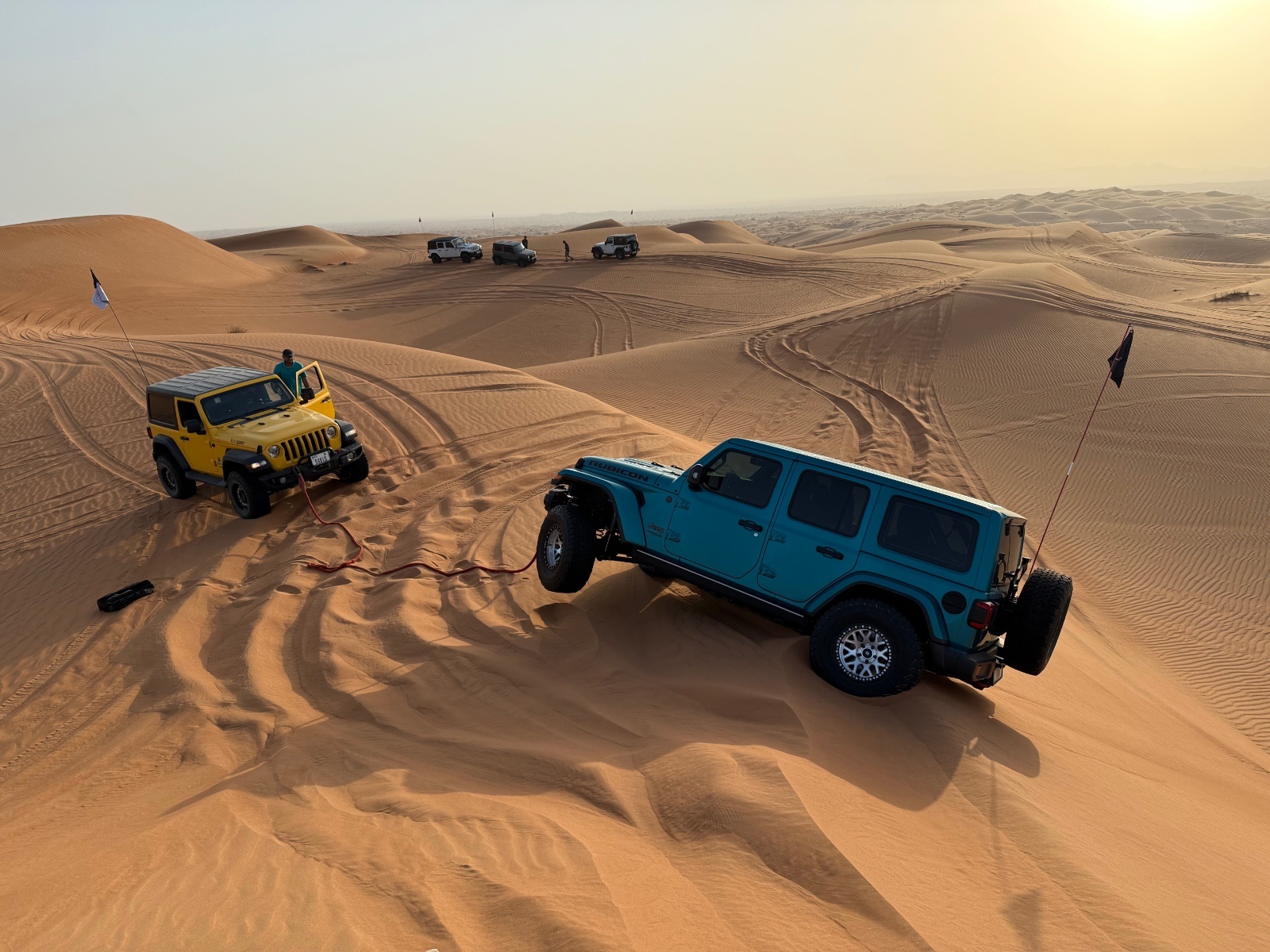
Thanks, Looper, for the great drive—as always. Hope to catch you on the next one. It was nice meeting some new faces this time, like Nicolo and Sam. And to the rest of you I’ve driven with before—great job out there. Appreciate the good company. Have a great weekend, and see you on the next drive.


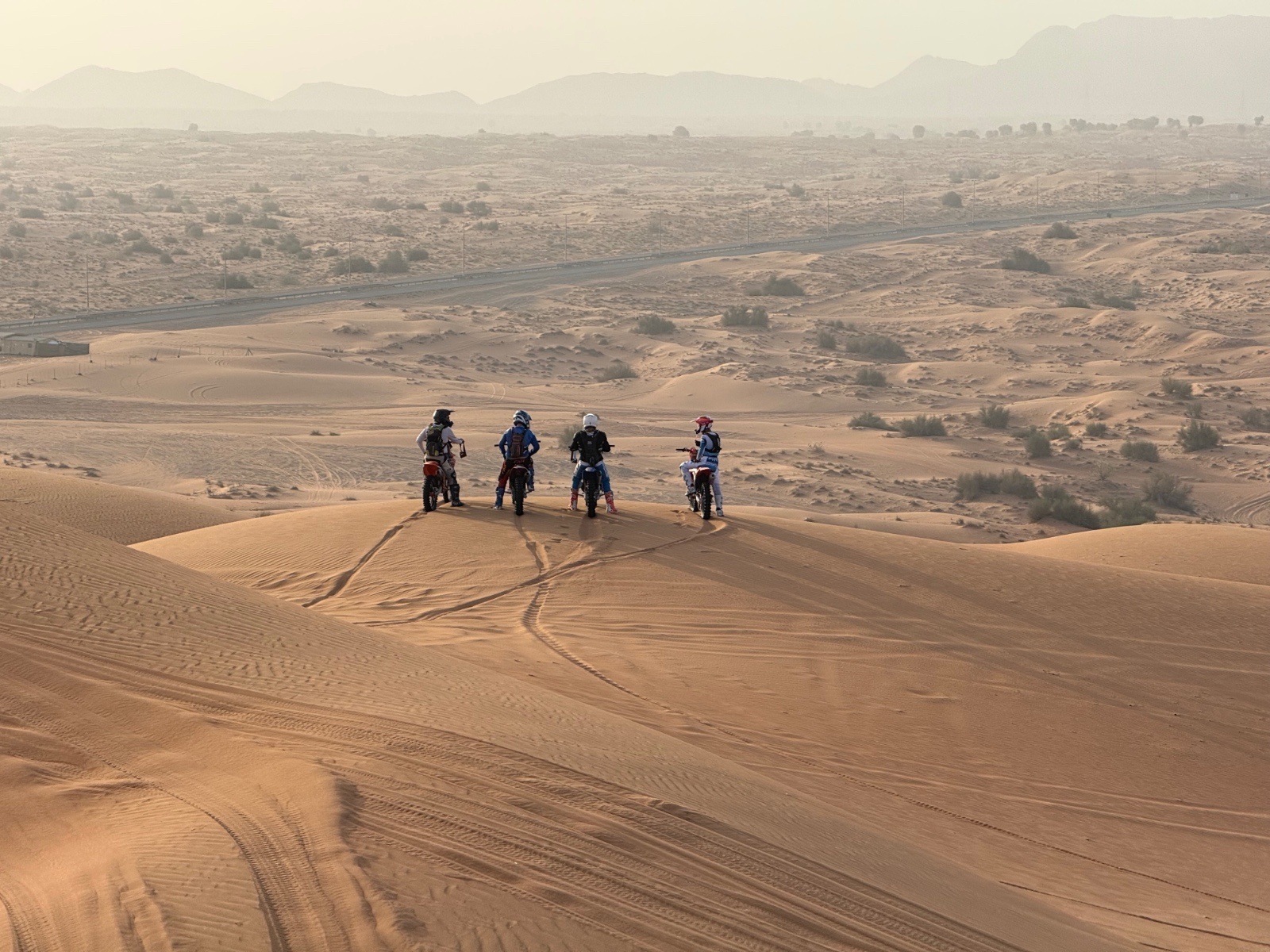
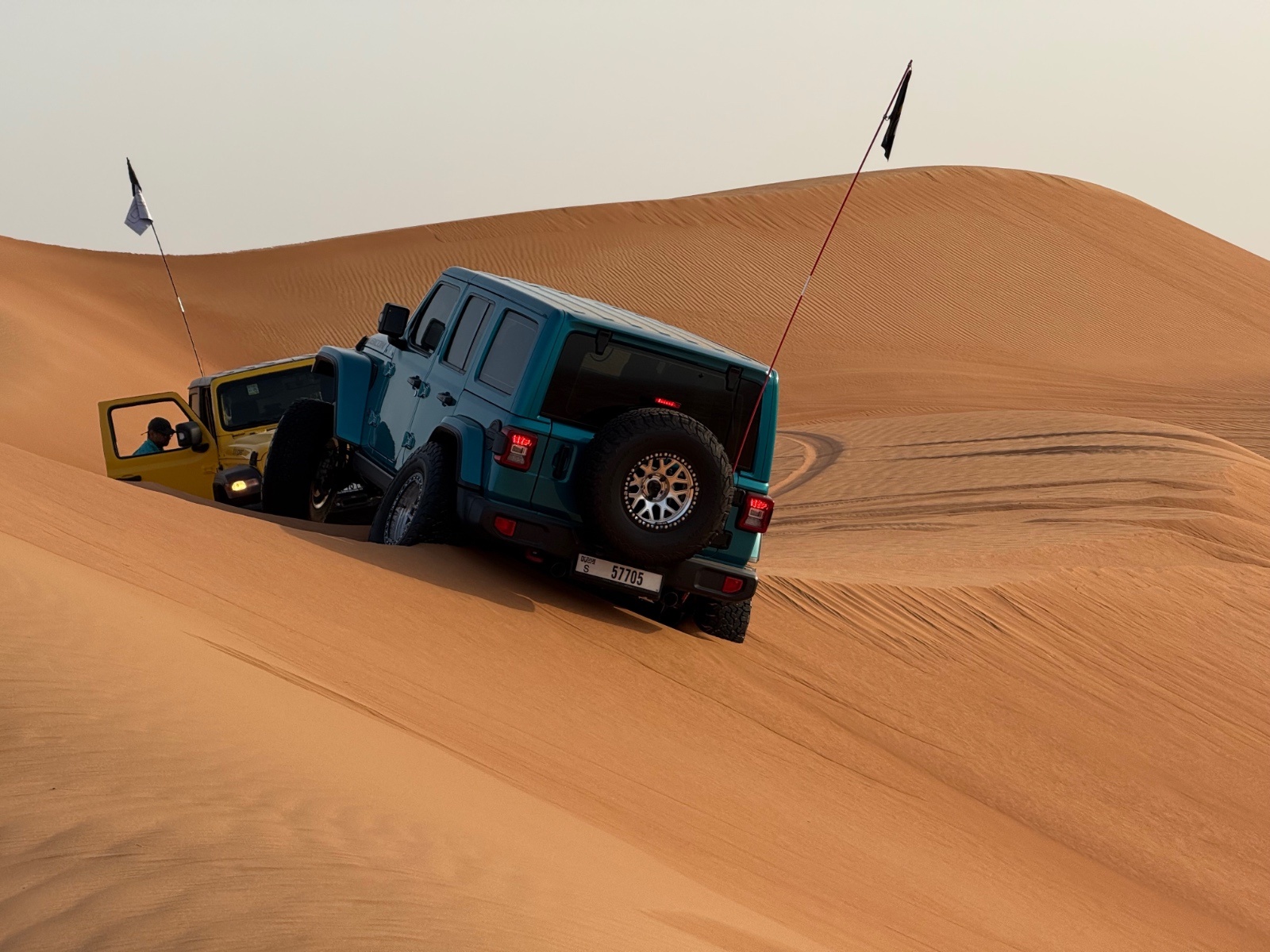
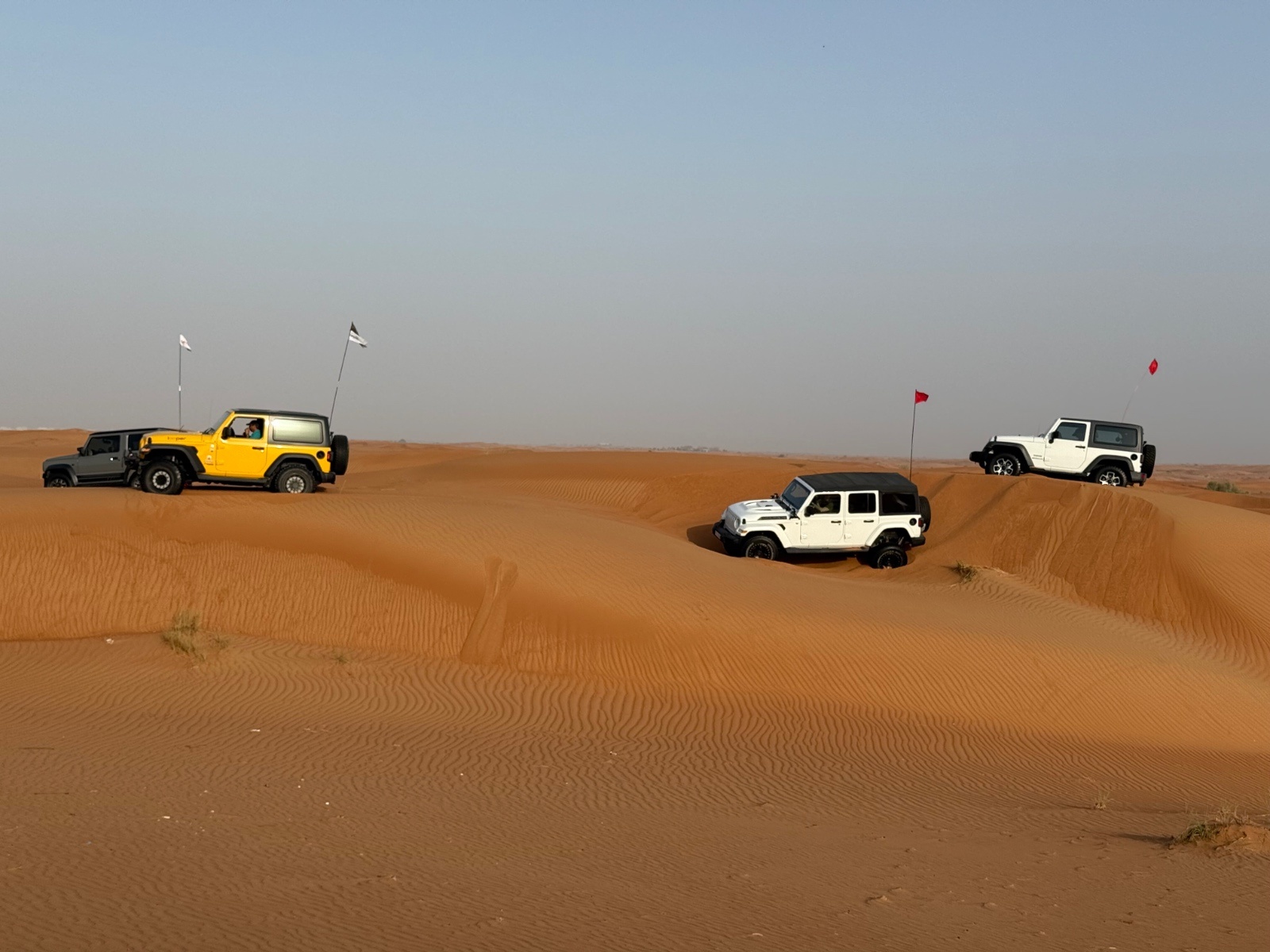 2 points
 -
2 points
-
Let's do it boys! @Emanuel @Ishak 😎💪2 points
-
untilDrive Details Level: Fewbie and above Meeting time: 08:00 am (departure time) Meeting Point: https://maps.app.goo.gl/BJodYk1wCDX5PUWd9 Action Plan: Second installment of the desert books' series, with the choice of a text dedicated to crossings the sands of the Arabian desert, hence very close to home. Authored by explorer and travel writer Wilfred Thesiger, "Arabian Sands" details his two crossings of the Empty Quarter: Thesiger’s first crossing, from Mughshin (Oman) to Liwa, was followed by a crossing of the western sands from Manwakh (Yemen) to Abu Dhabi. The book attempts to capture the lives of the Bedu people and other inhabitants of the Arabian Peninsula. I have chosen a track well within the Abu Dhabi area, where the author's second trek took him, wandering if Thesiger actually crossed these sands. We'll skirt some farms, as well as dwell among the more secluded cordons, to conclude the drive at Tilal Resort (anybody who wishes to have lunch there can arrange to stay). Still trying to distil the best of the book, and to build up to the day of the drive, I'll post a book's quote each day. Let's try to find inspiration in this Desert Books' Series to truly appreciate our interaction with our favorite element of nature. What to bring along: Loads of water, snacks (for yourself), smiles, face masks, rubber gloves, enthusiasm, and willingness to learn. Approximate finish time: 12:30 PM P.S. Only join if you have a compressor to inflate your tires after the drive.1 point
-
@M.Seidam Thanks doc! See u Friday inshalla1 point
-
1 point
-
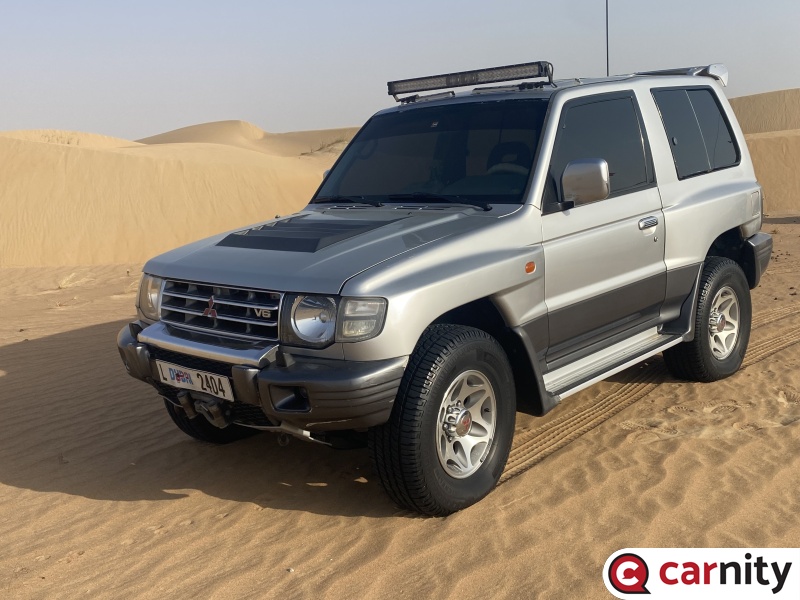
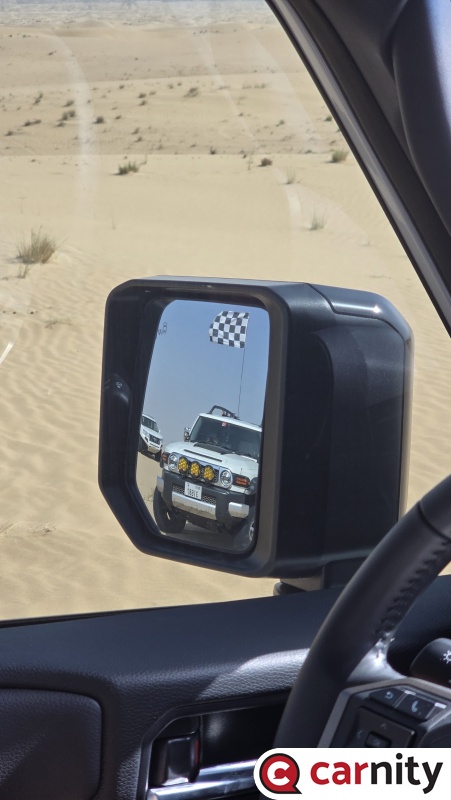 It feels great mate. I definitely made the right choice saving Jeff and not ditching him for a newer model haha1 point
 -
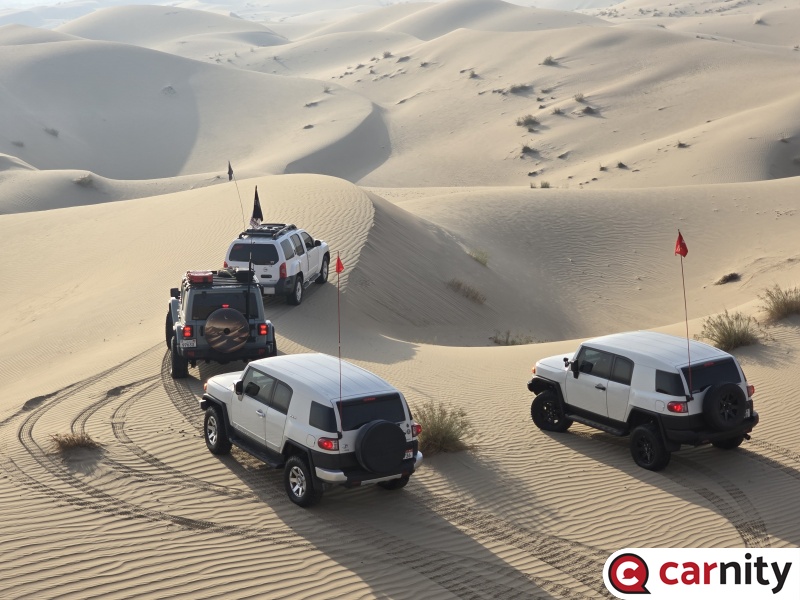
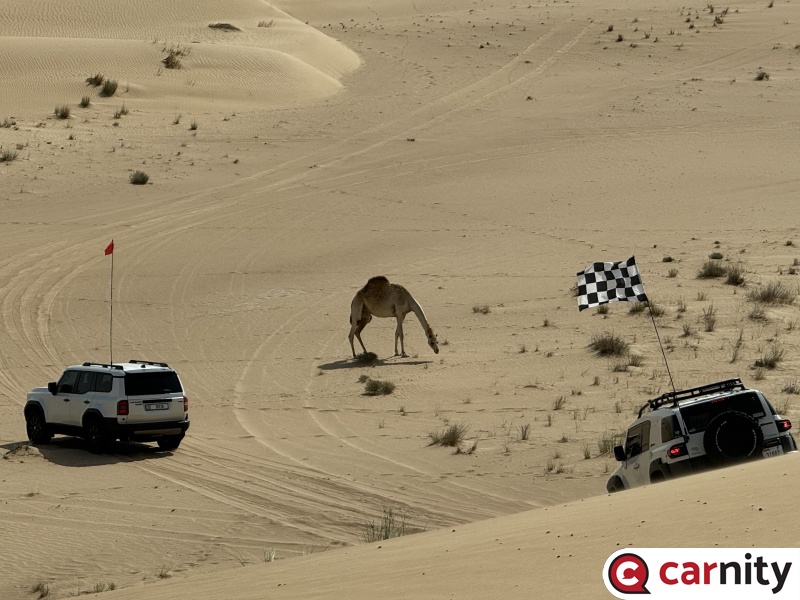
Thought i had better add the drive pic 😎
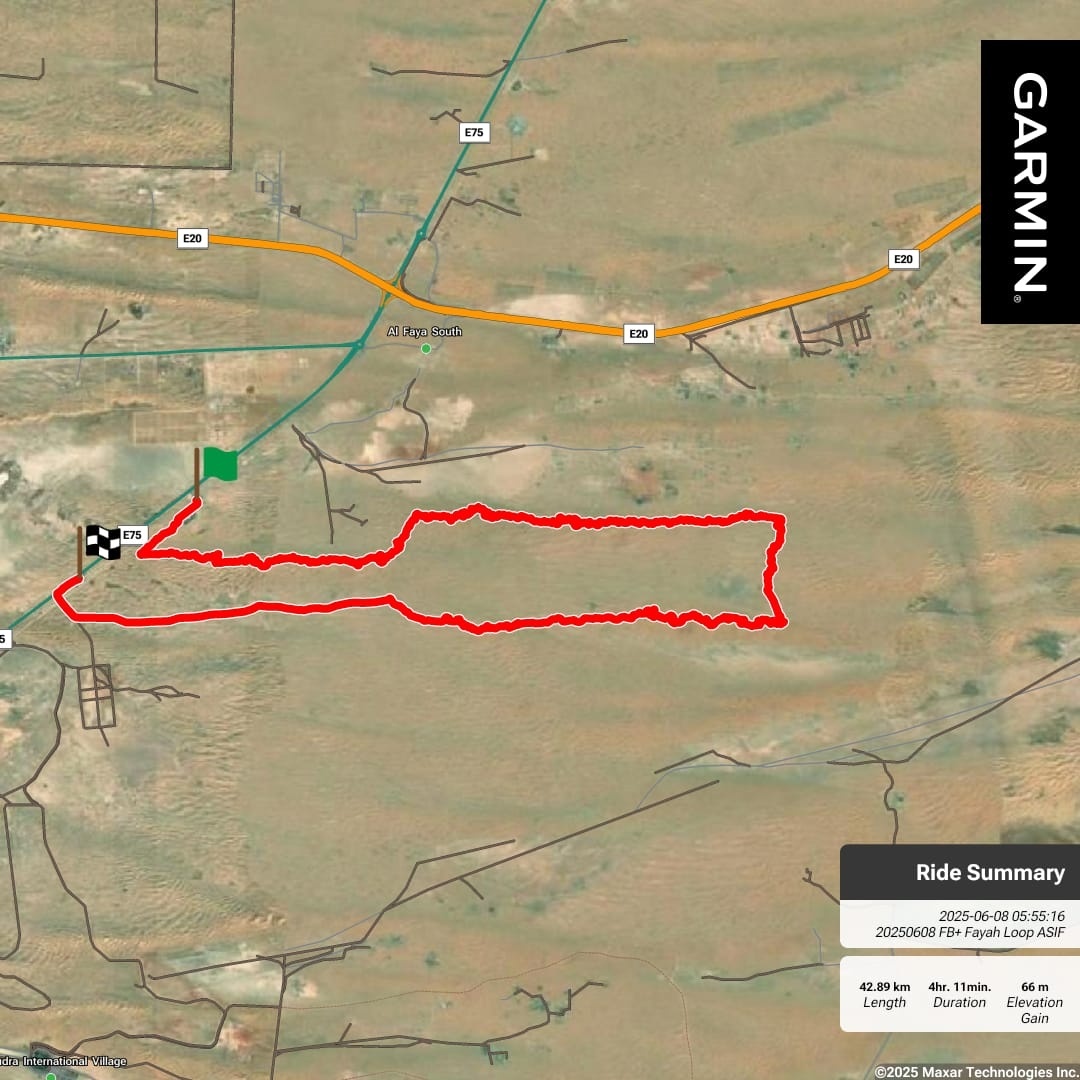 1 point
 -
1 point
-
1 point
-
1 point
-
1 point
-
1 point
-
1 point
-
That was a really fun morning out! A small but perfectly formed convoy. @Asif Hussain - Thank you for leading a well paced drive on some exciting lines. Always a relaxed but demanding drive with you. Also thanks for the second lead position - really enjoy the chance to take an active role in the convoy. @Johannes Roux - Great work today, watching you in my rear-view, you made some great calls and dealt with everything well. This was a great drive to start your FB+ journey with! @Luke K P - Pleasure as always, and you got to use all the toys today! Shovels, ropes, shackles, jacks, boards…top work 😂
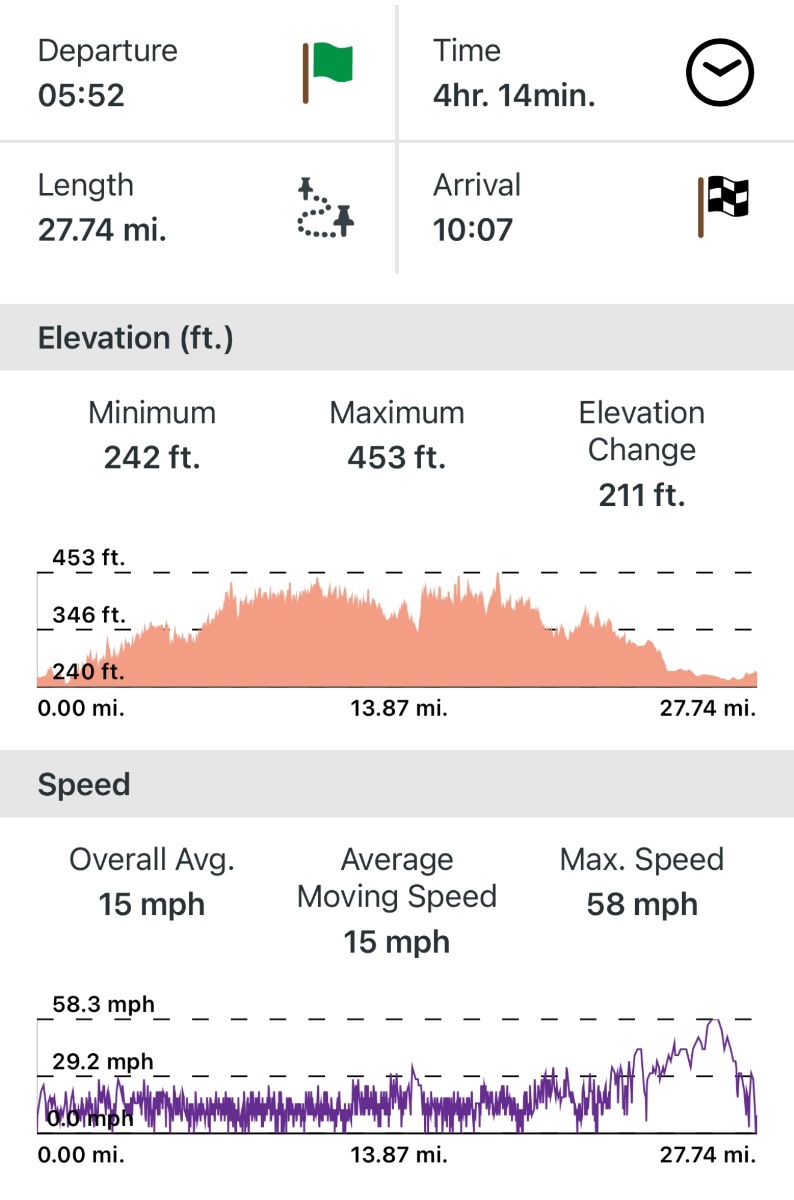
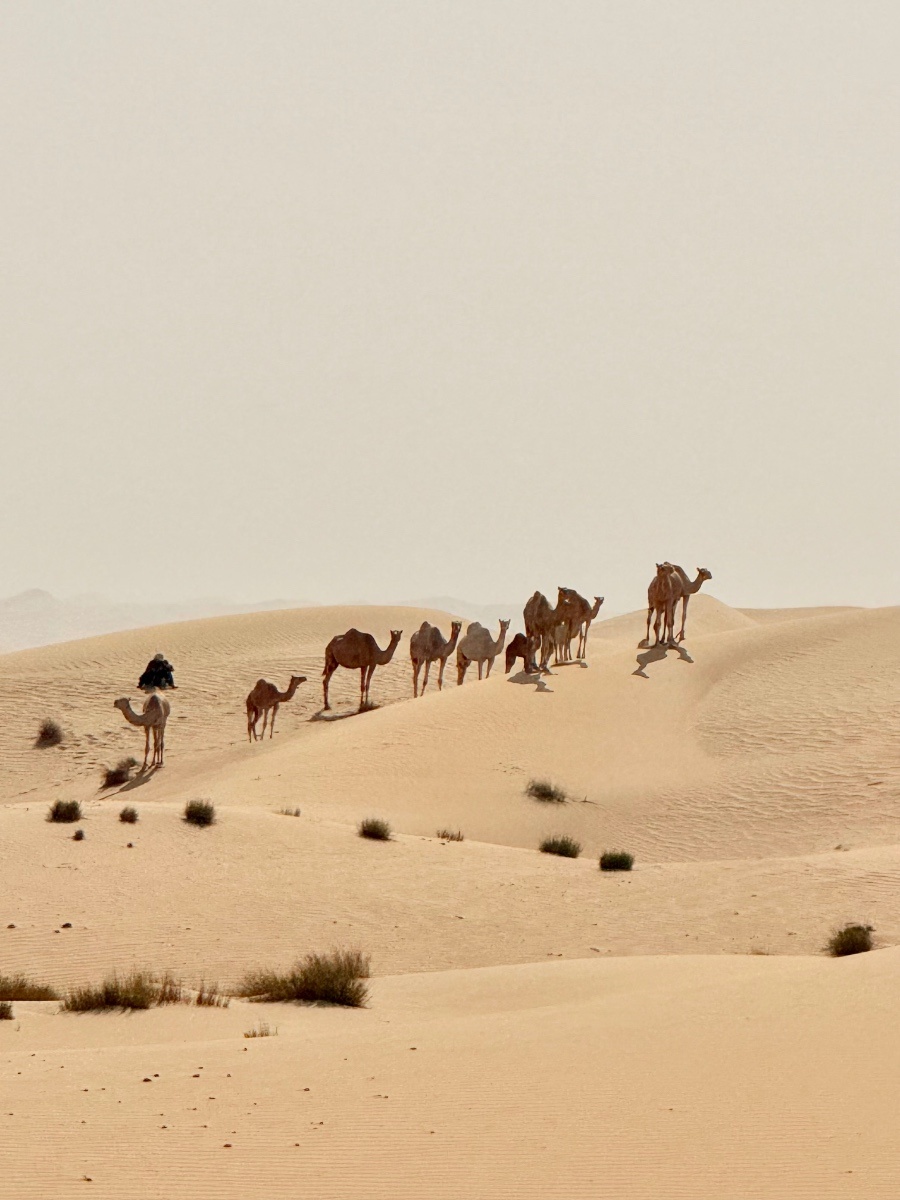
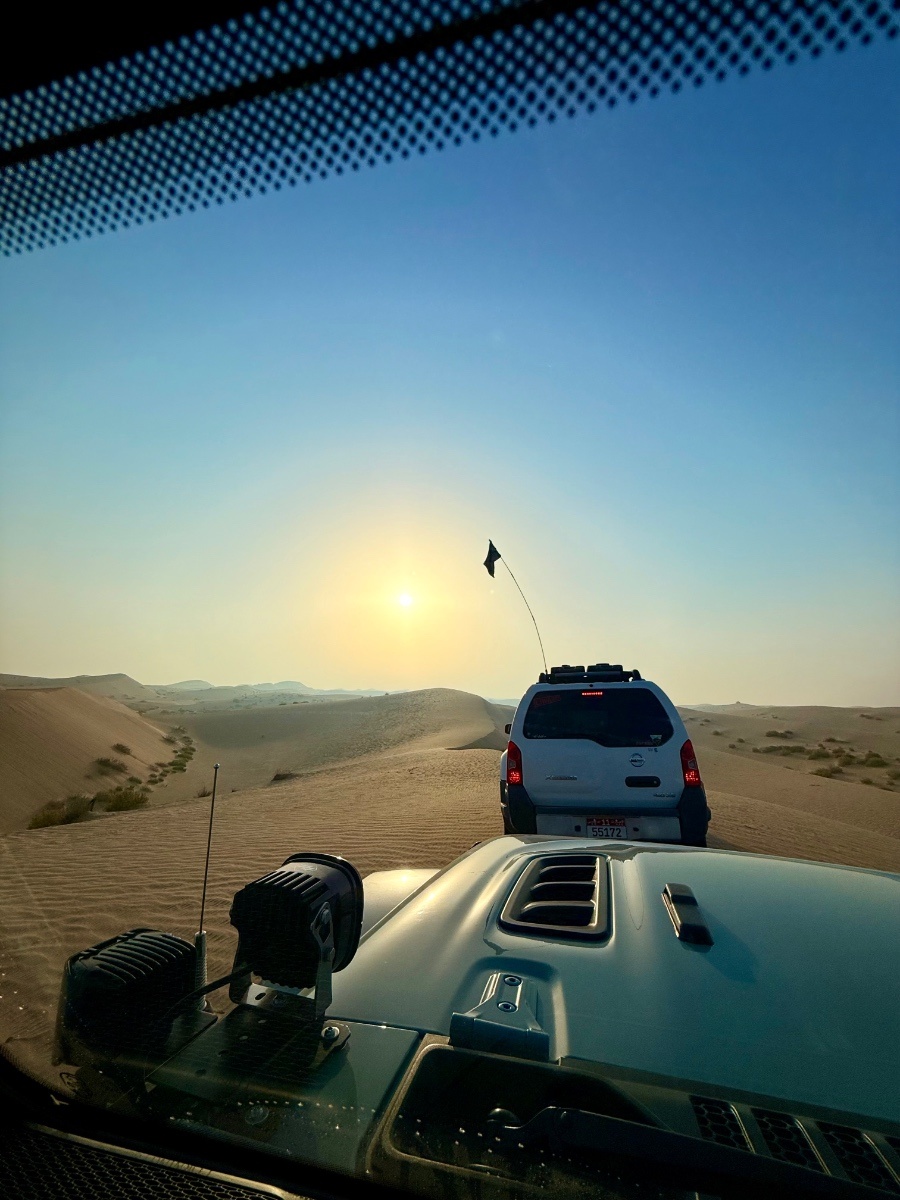 1 point
 -
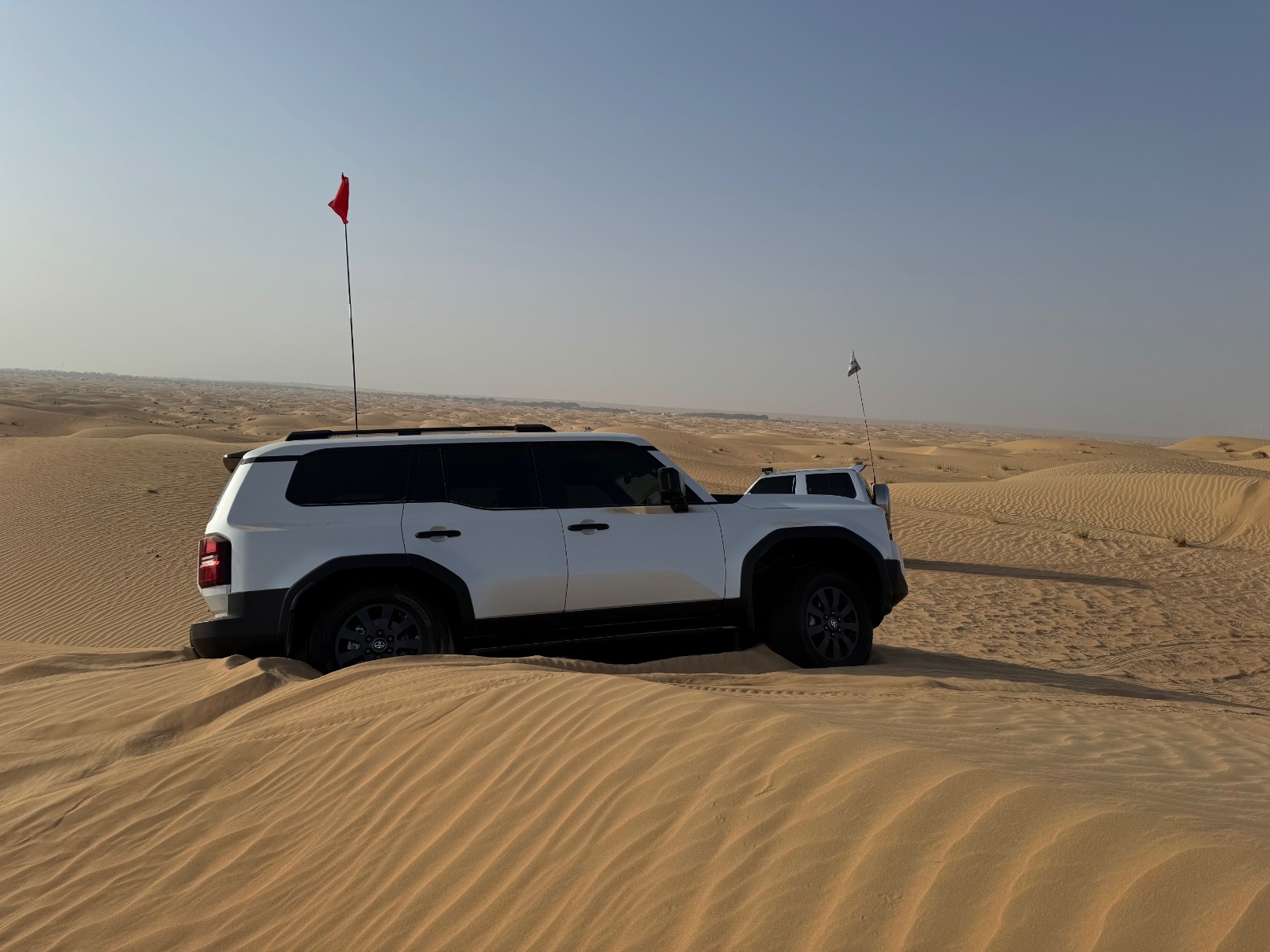
Another wonderful drive. No off road drive can be complete without shovelling 😁
 1 point
 -
Thanks for the wonderful n thrilling lines today @Ale Vallecchi@Giacomo @Hani crest king@Aser!!What a way to end a long holiday .&start a new week ...looking forward for the next one..entire convoy was fantastic ,flowing all along the way ..thanks all1 point
-
1 point
-
1 point
-
1 point
-
1 point
-
1 point
-
1 point
-
Rope recovery https://share.icloud.com/photos/0bef-wV4p7qGJAkXqmFYtYwYw1 point
-
1 point
-
1 point
-
Great drive today. Brilliant work with Sris car. Sri I hope you get it sorted mate. Doesn't seem like a monster issue let's see. Take care all. Imran1 point
-
Summery of some clips .. good for newbie to see it . As a matter of fact useful for every off-roader 👇1 point
-
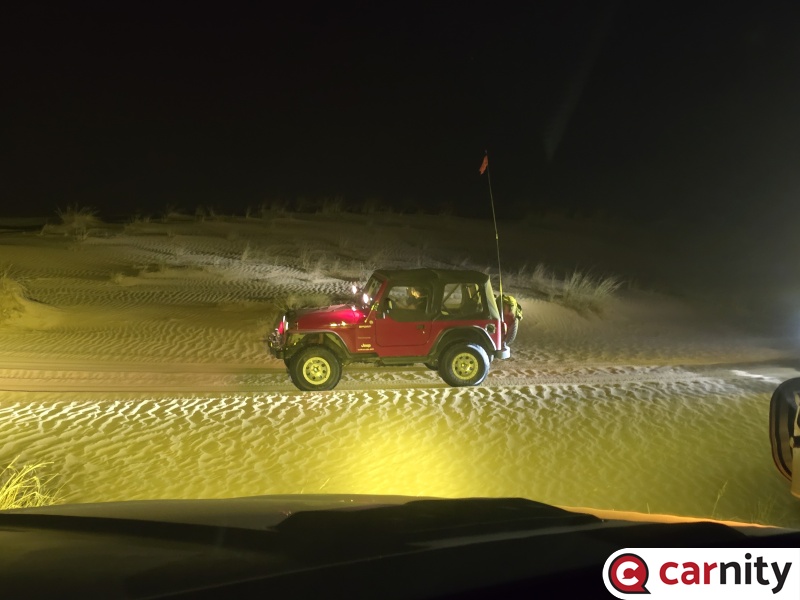 @Mahmut1 point
 -
We can distinguish 3 different controls on most modern 4x4 cars: 1) ABS (Anti-Lock braking system) A standard Anti-lock Braking System uses four wheel speed sensors, a hydraulic pump, hydraulic valves, and a controller. The controller in the ABS system monitors the speed of each wheel using the wheel speed sensors, which are usually hall effect sensors. If the controller sees that one wheel is decelerating at a rate that couldn't possibly correspond to the vehicle's rate of deceleration, it actuates the hydraulic valve in that wheel's brake line to reduce the brake pressure applied to that wheel. This allows the wheel to turn faster. Once the wheel is back up to speed, it uses the pump to introduce the pressure back into that brake line, applying that brake again. When the controller sees rapid deceleration again, it activates the valve and the cycle repeats about 15 times per second. The ABS system is mainly made to avoid your brakes from locking up during hard braking, which would cause your vehicle to start slipping. 2) ESC (Electronic Stability Control) Electronic stability control (ESC) is a computerized control system that applies brakes to individual wheels and reduces engine power to ensure that drivers maintain control of their vehicles. The six main components of an ESC system are: wheel speed sensors, a control module, a steering angle sensor, a yaw rate sensor, an accelerometer, and the hydraulic modulator. Note that the hydraulic modulator is the same one used in an ABS system, meaning that ESC adds only the yaw sensor, an accelerometer, and steering angle sensor to a standard ABS system. To understand how this system works, imagine you are driving down the highway at 60 miles per hour. You swerve left to avoid hitting a raccoon. What happens in the short duration to follow? The yaw rate sensor determines where your car is pointing, the steering angle sensor determines where your front wheels are pointing, the accelerometer determines if your vehicle is sliding, and the wheel speed sensors monitor each wheel’s speed. If you turn your wheel very abruptly to the left, your vehicle will initially under steer. This is simply Newton’s First Law. Since the front tires do not yet have enough traction, they slide and the car continues to move forward. The control module recognizes the discrepancy between the intended path (communicated by the steering angle sensor) and the actual path (communicated via the yaw rate sensor) and sends a signal to the hydraulic unit, directing it to increase braking power to the left rear wheel. This causes the automobile to rotate left (the desired response). If necessary, the control module will also reduce engine power by sending a signal to the throttle actuator asking it to close the butterfly valve. 3) Traction Control Traction control works in a similar way as ESC. If a vehicle is unable to gain traction in icy conditions, one wheel will spin while the other simply remains stationary. This is the nature of an open differential: the wheel with the least traction receives the most power. This is undesirable in low-traction situations. As such, traction control can step in. Traction control monitors wheel speed using ABS wheel speed sensors. If a wheel is slipping, traction control reduces engine power to help the wheel regain traction. If necessary, traction control can also apply the brakes to the slipping wheel. This will transfer power to the other wheel (which now has more "traction") depending on surface conditions. As you can see above, these electronic aids are functioning together, all with the same aim of increasing safety for you and your passengers. During dynmamic offroading in sand, the speed and yaw sensors will assume that you are losing traction, and the system will start to react with reducing engine power and diverting power to the wheels that still have traction. That is the main reason we disable these systems.1 point






This leaderboard is set to Dubai/GMT+04:00