
Leaderboard



Popular Content
Showing content with the highest reputation on 07/29/2018 in all areas
-
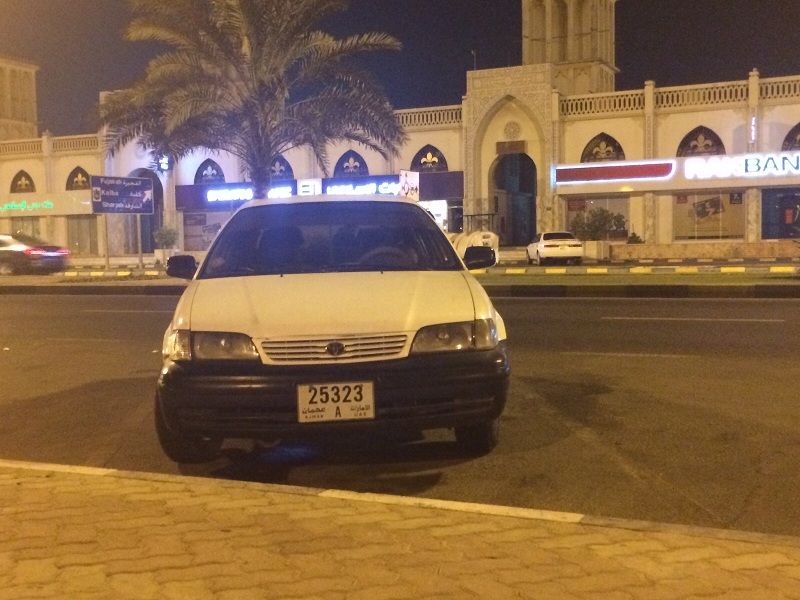
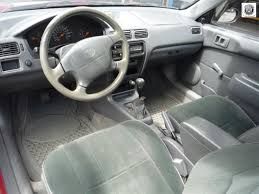
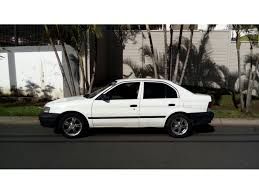
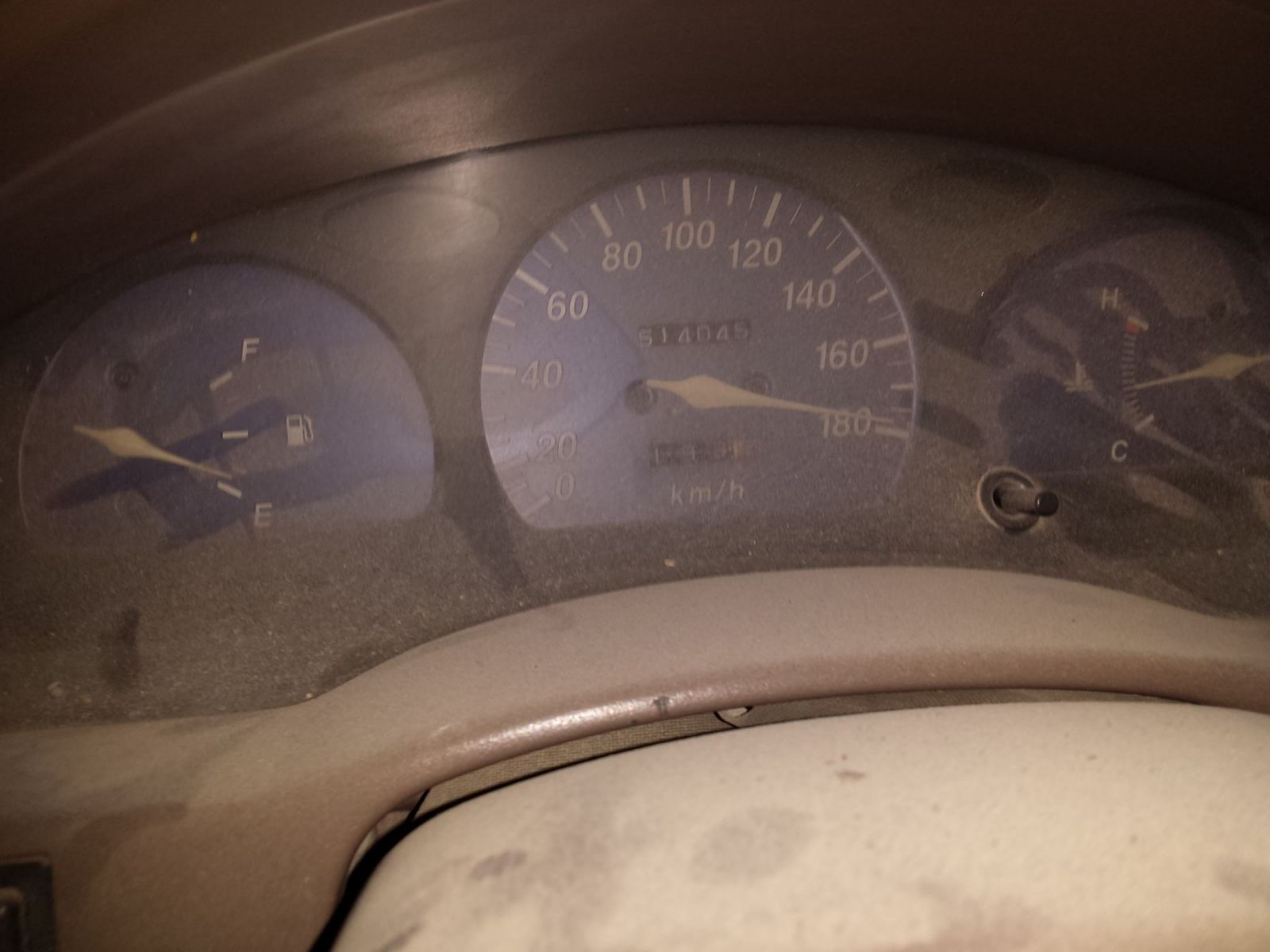
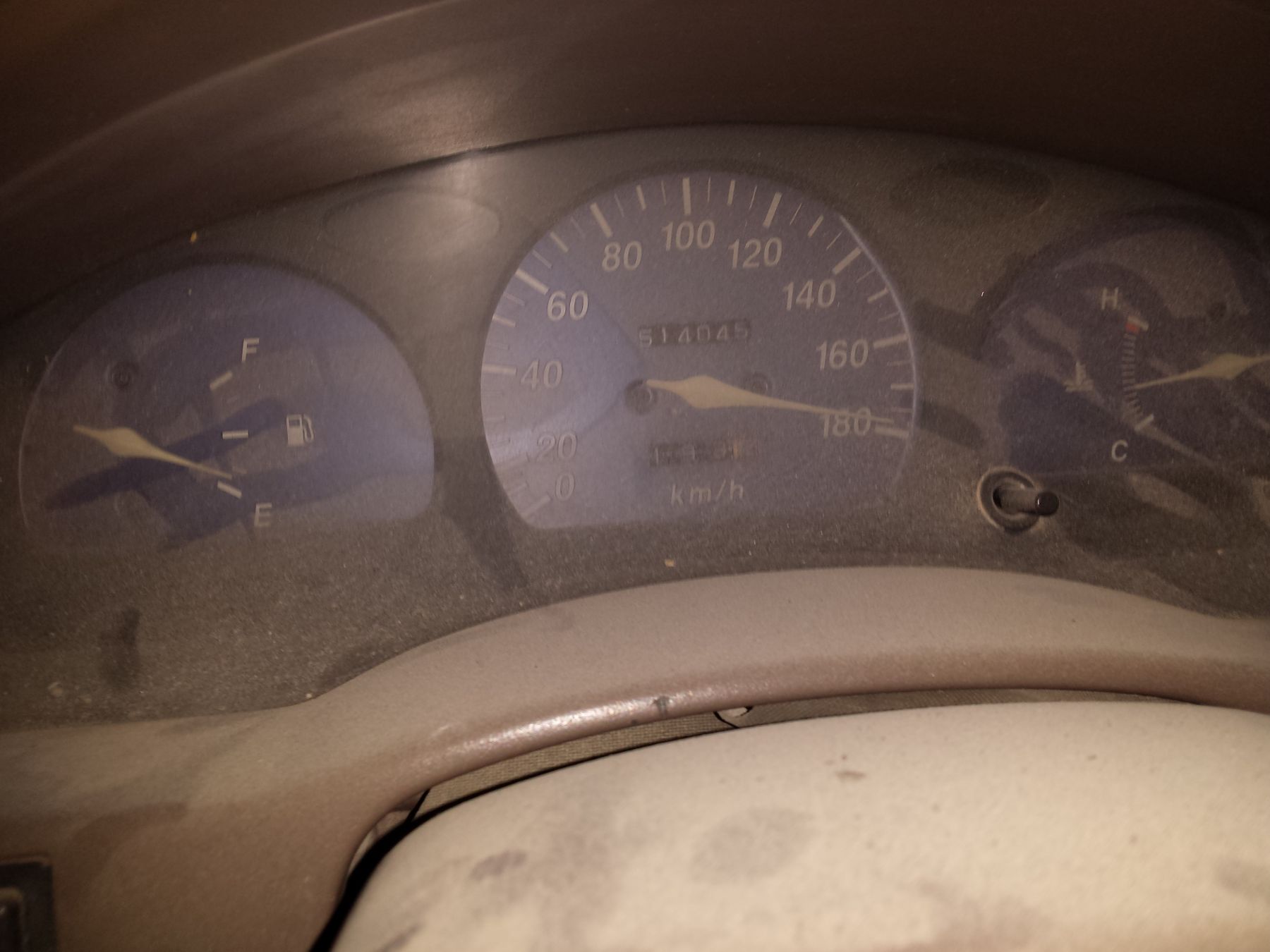
toyota corolla tercel 1999 i really have no idea from where to start a review but here we go i got this car ar 250k kms for 2.5k aed and ran it for another 450 or 500k it had a smoking engine which i replaced and she was back up and spurring like a kitten with carb powered 2efe 1.3 cc engine that not gonna roar but will get you wherever you want thanks to its 5 spd manual gear it had more then enough to run around everywhere i need to be and was my trusty partner for use in the workshop for hauling parts it had the best fuel economy as its a 1.3cc which used to give a run of around 600 plus per tank the car itself in look wise is really basic not a cheap box but if you can toss some $$$ then this car can make heads turn and the interior is also very basic with a stereo system and the seats are not that comfy for very long drives the windows were manual and there was only 1 airbag for the driver others would just hope for the best i guess there was no abs not much electrically loaded as you can guess but still its a really wonderful car to have as the maintenance cost is very low and the fuel economy is great and the air conditioning is built of very tough components the summer afternoons could not make it bow down the parts are readilly avalable in orignal and even aftermarket is nicely catering to this kitten the small parts like door handle interior handle or the window handle to bonnets doors even the used market has everything this car requires to run like the fornt headlight pair is 200 aed which would be the cost of only 1 headlight in many newer cars this car has reached such a stage that you can buy it of the market for 2k to 4k depending on the condition and for using it for 2 to 3 years it still part with almost the same amount from you only if you take good care of it...these cars are very hard to comeby if in really good condition as the owners are still in love with tercel and are reluctant to part with a gem that toyota produced the last were produced in 1999 as then toyota echo took over P.S : the 2 pictures is of my tercel and the rest is sourced from the internet
 4 points
 -
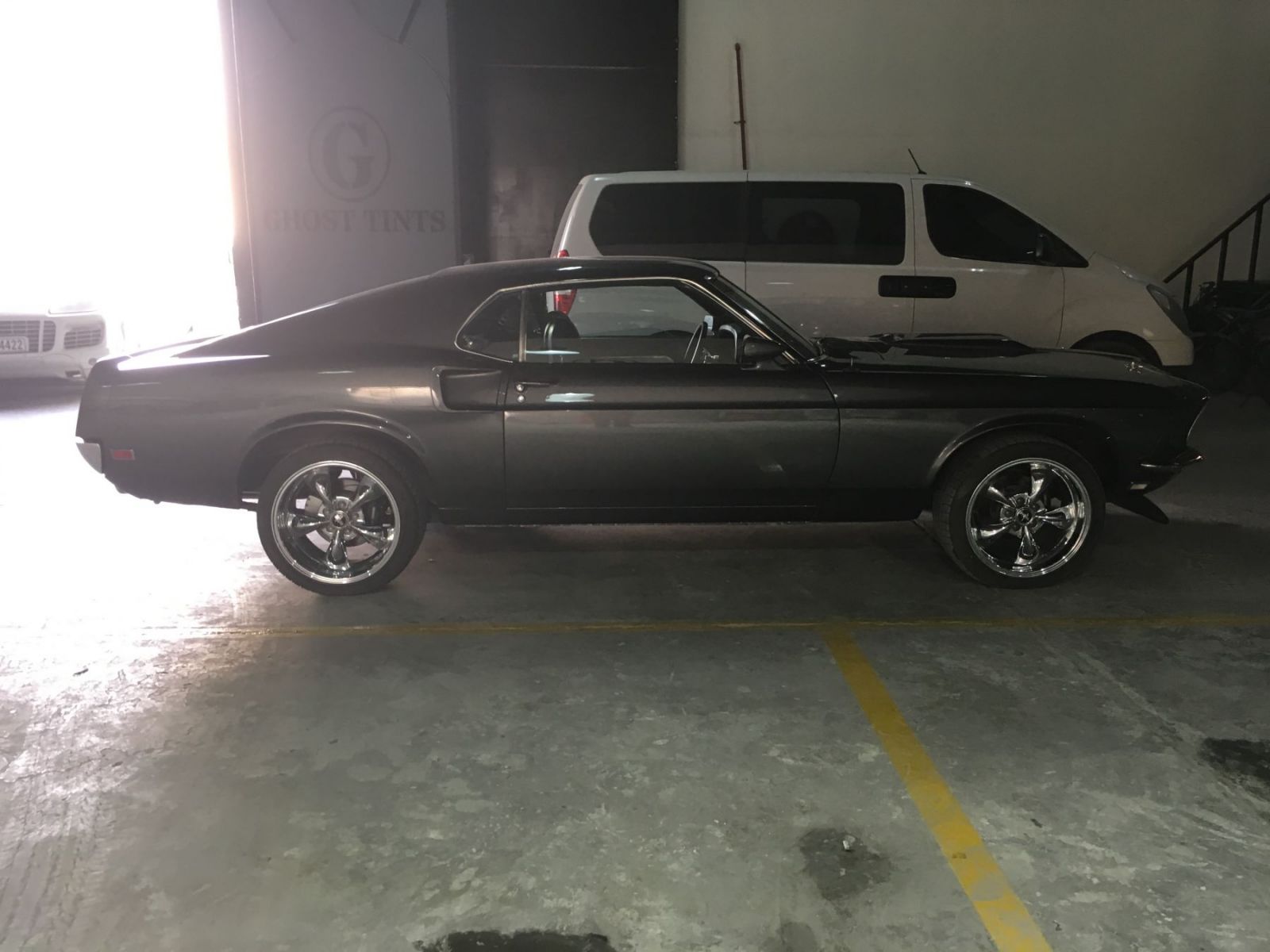
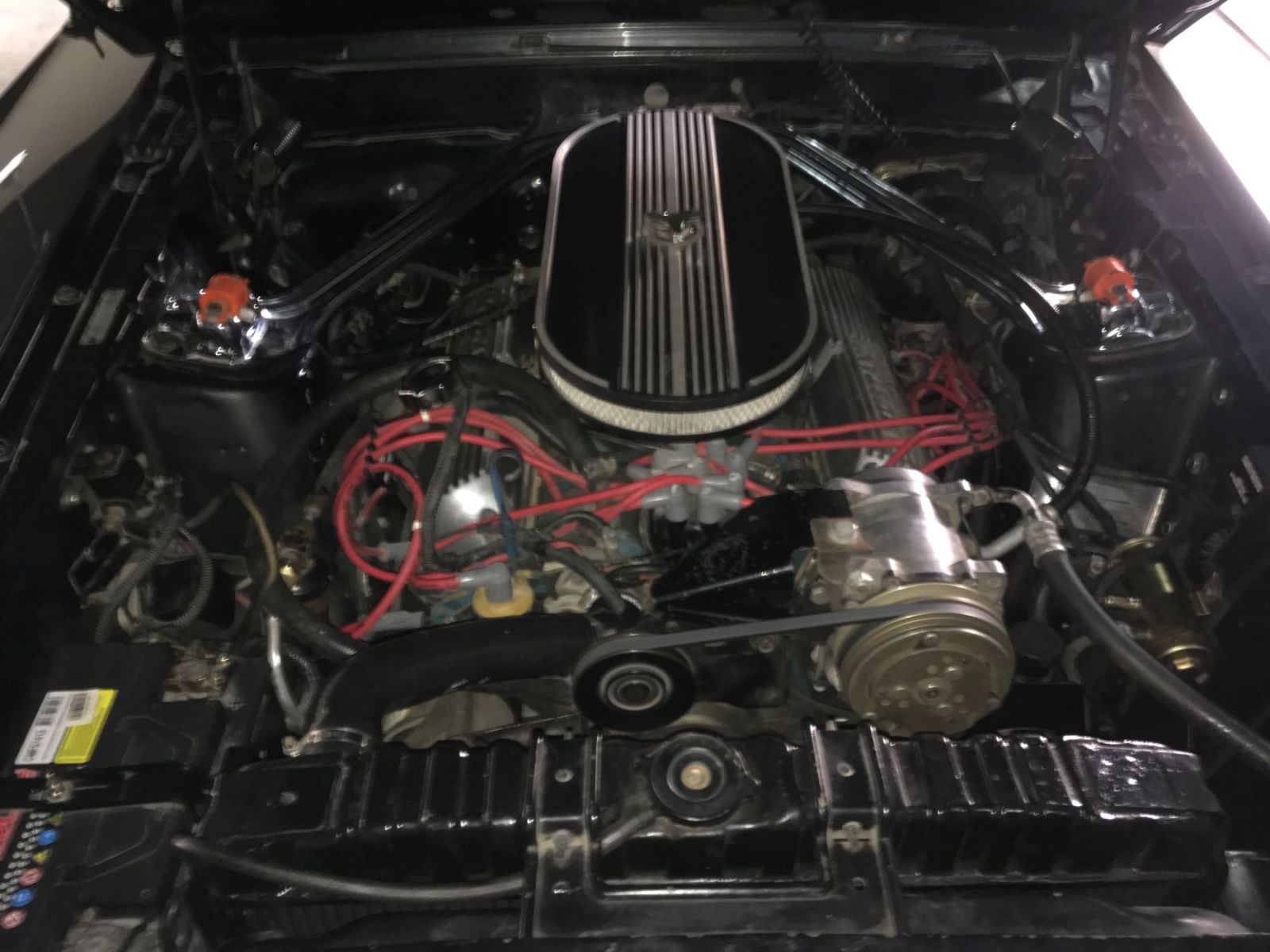
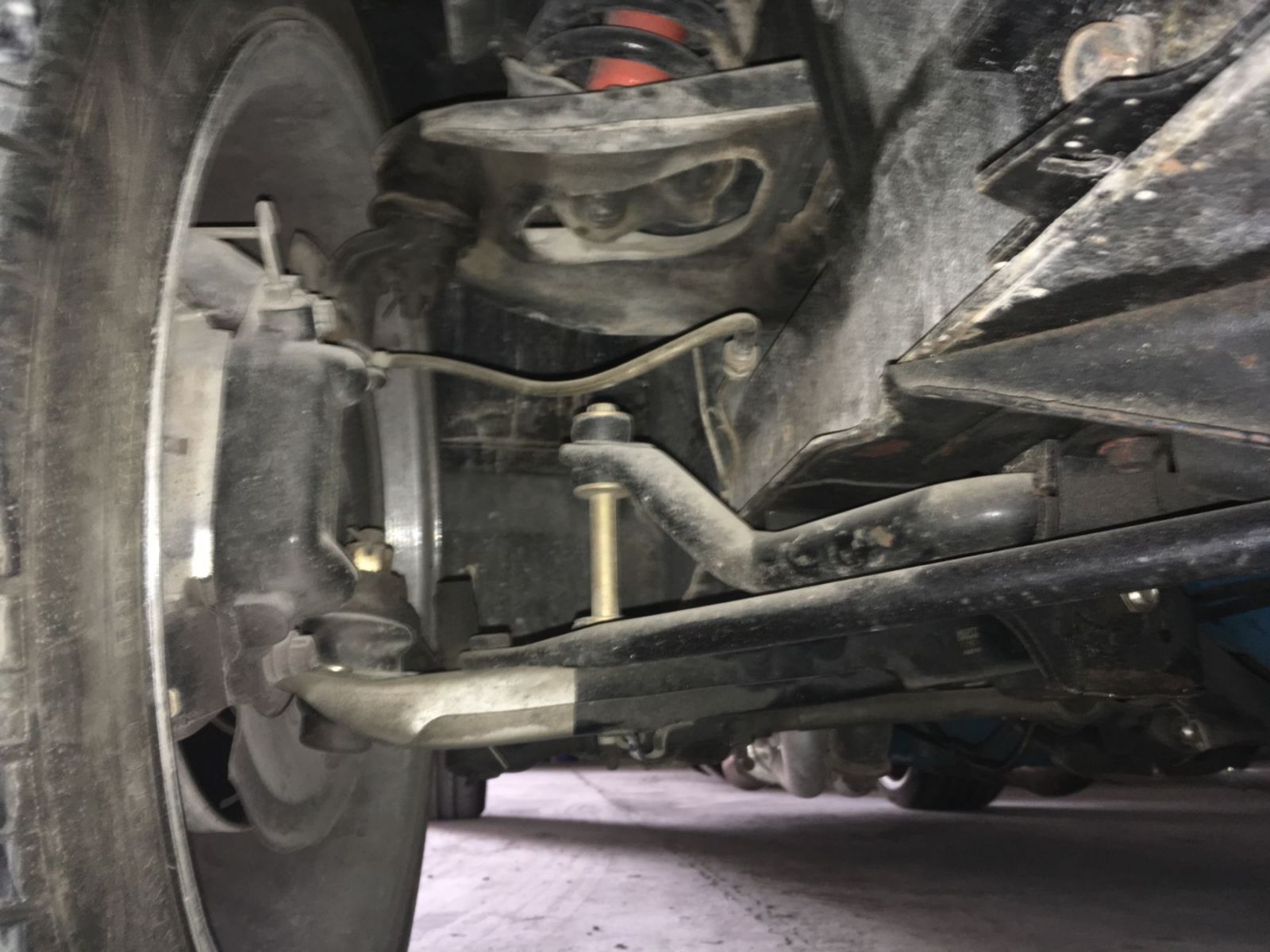
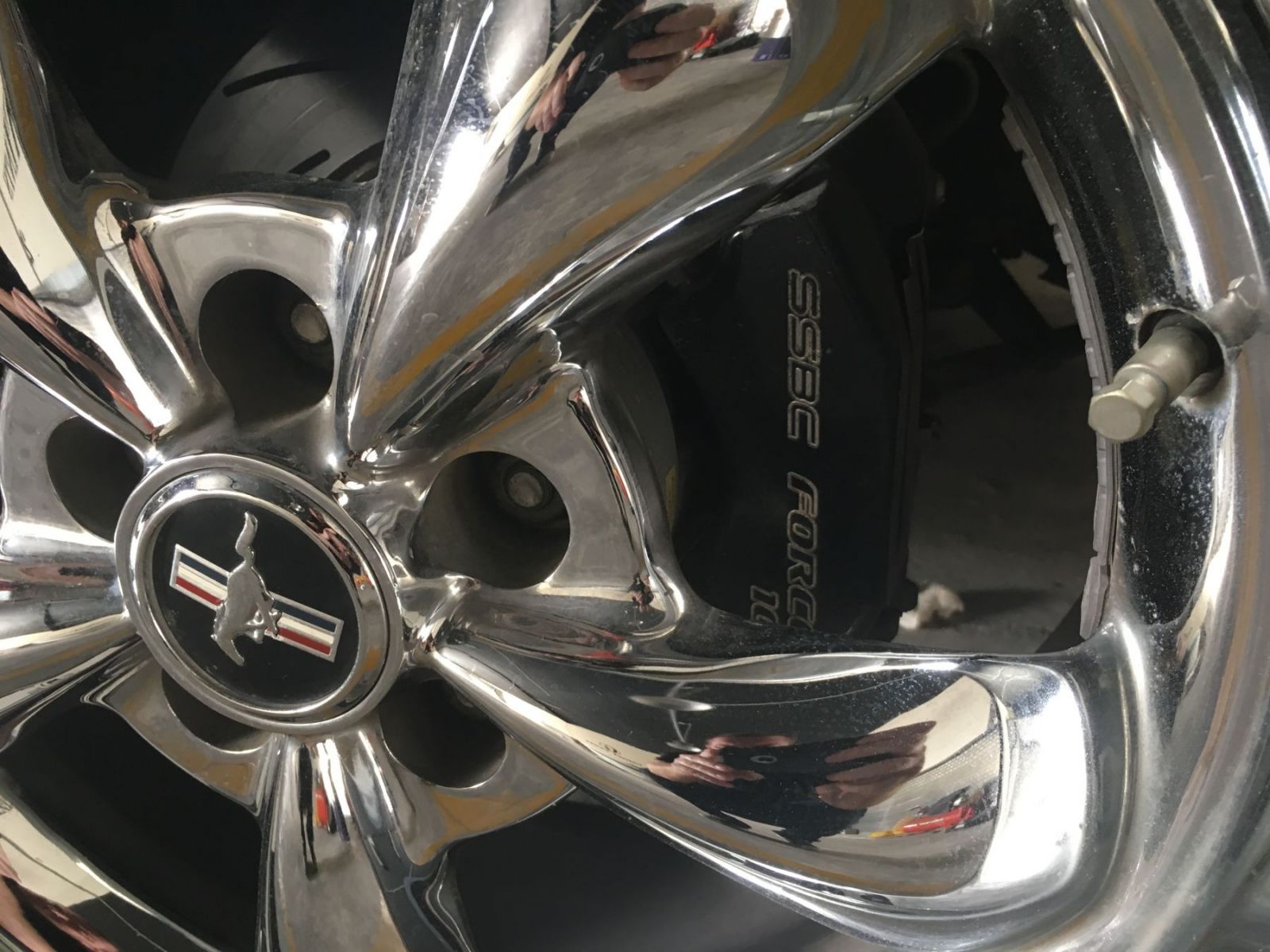
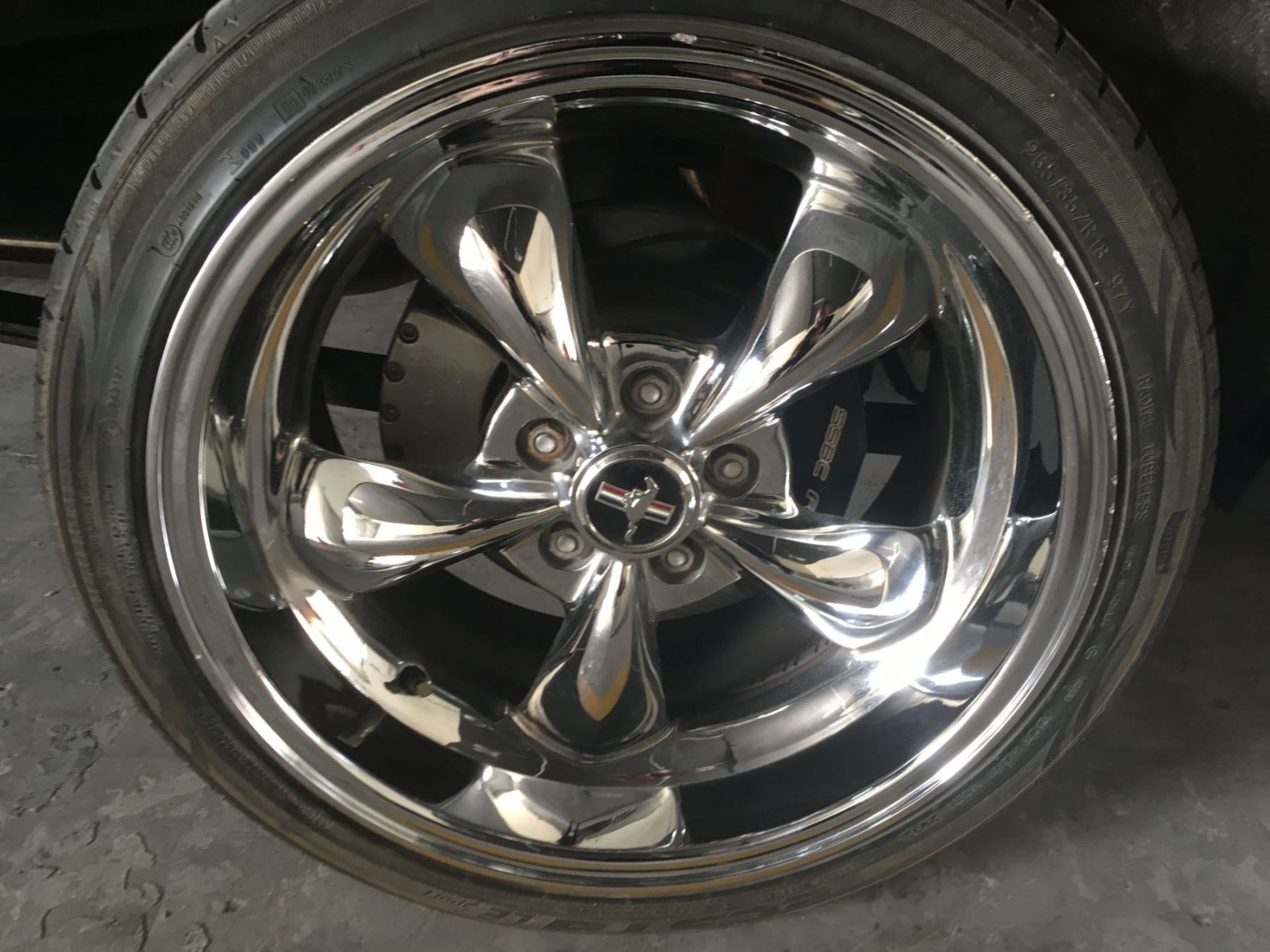
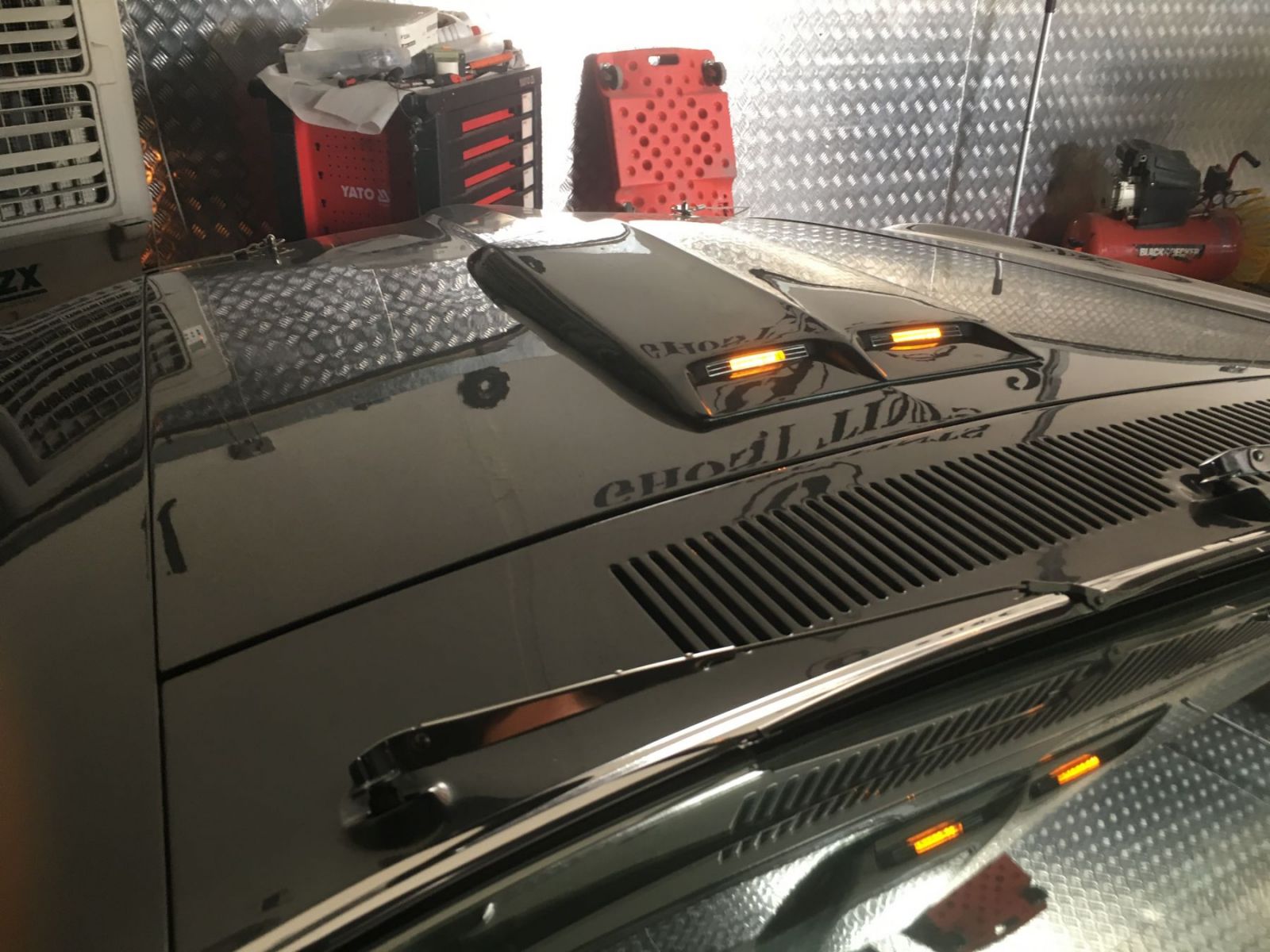
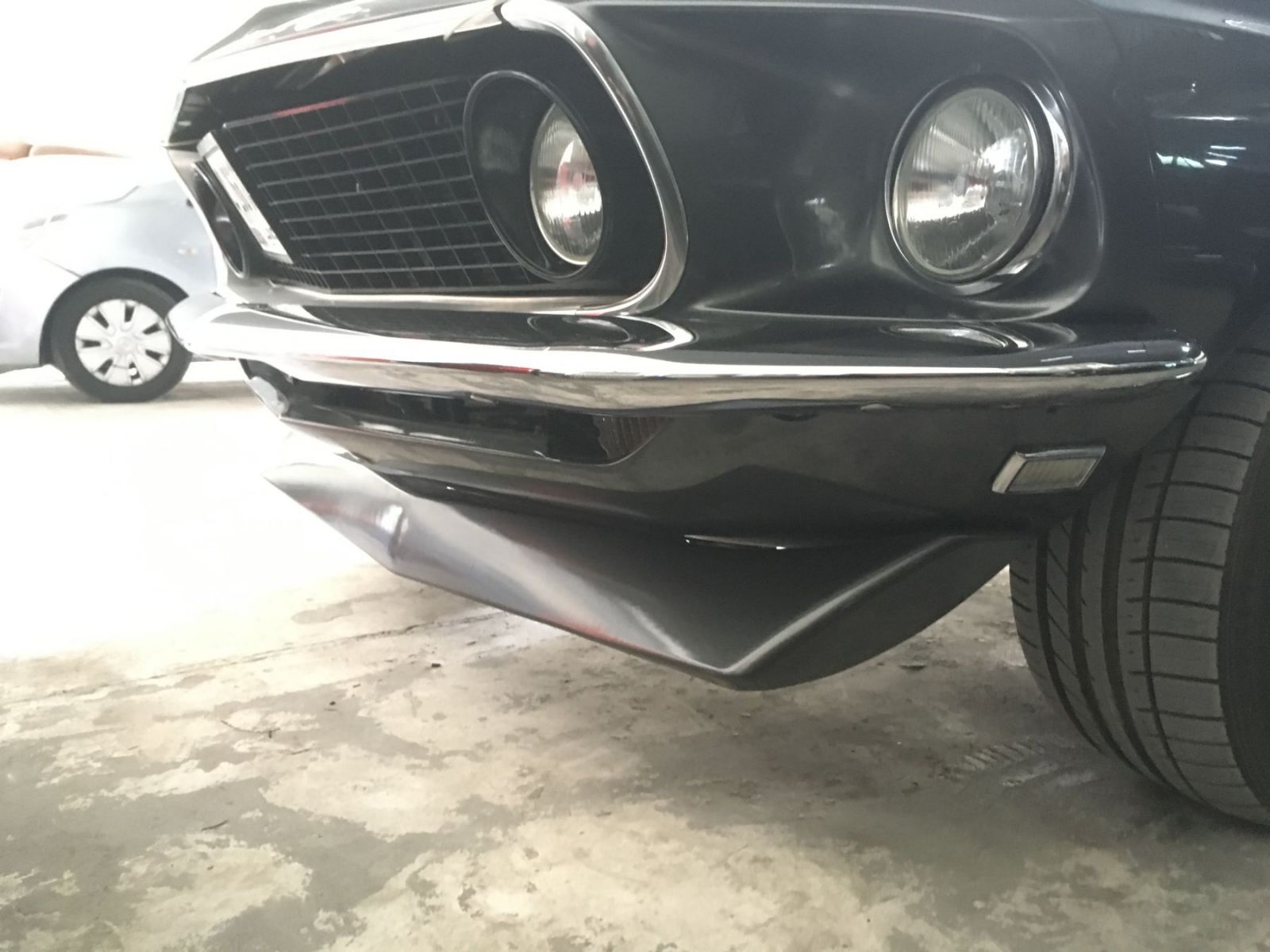
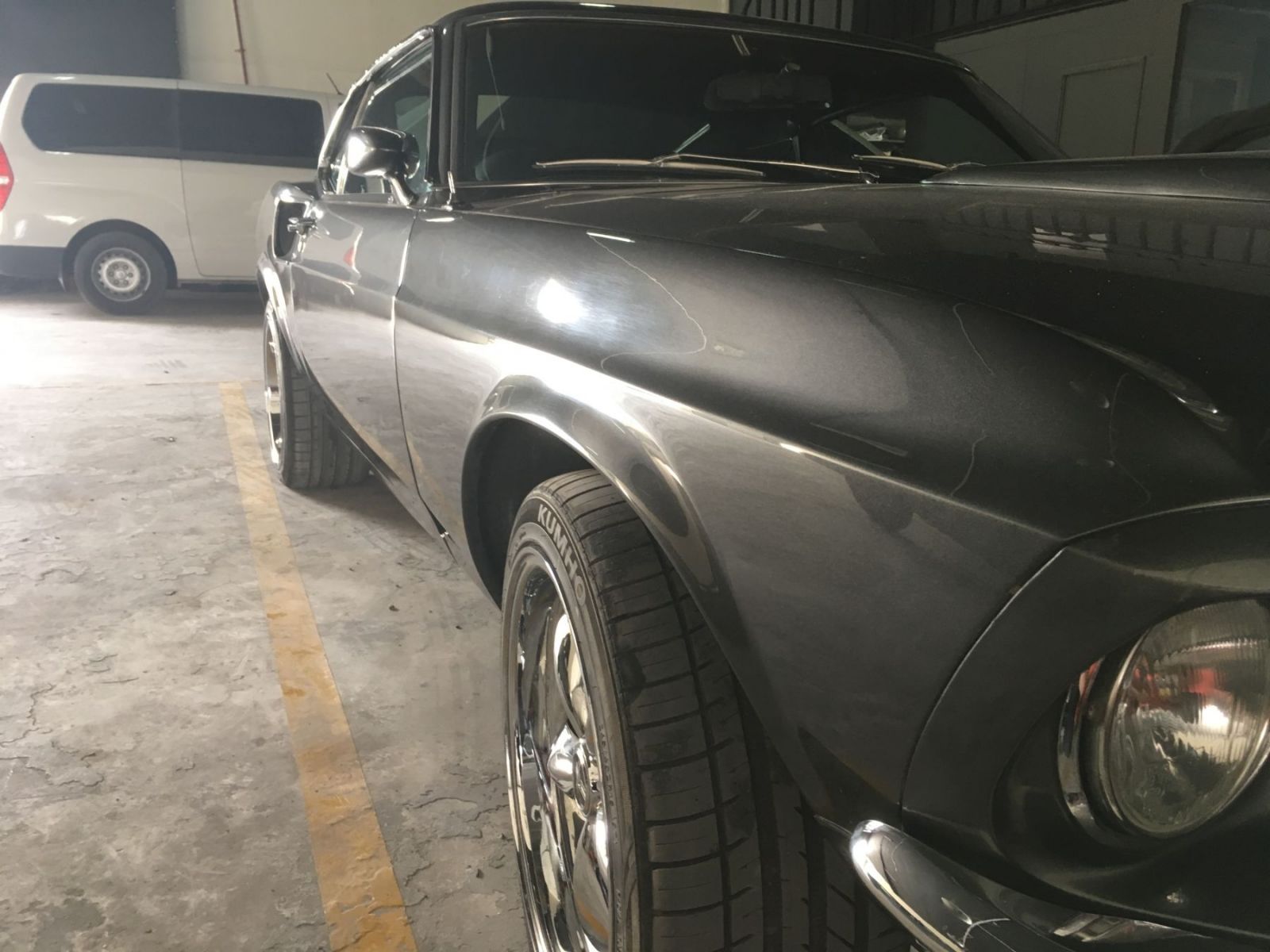
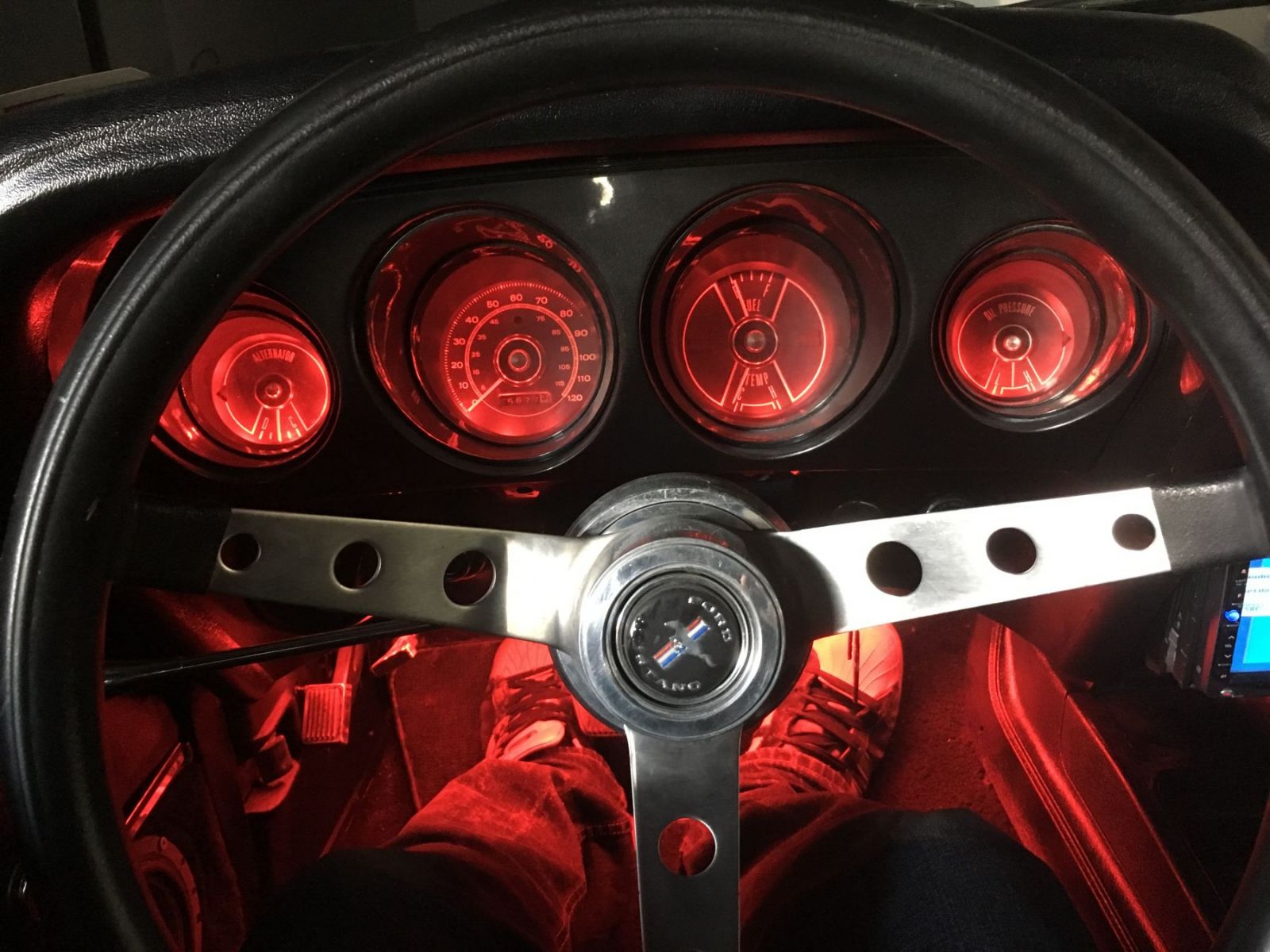
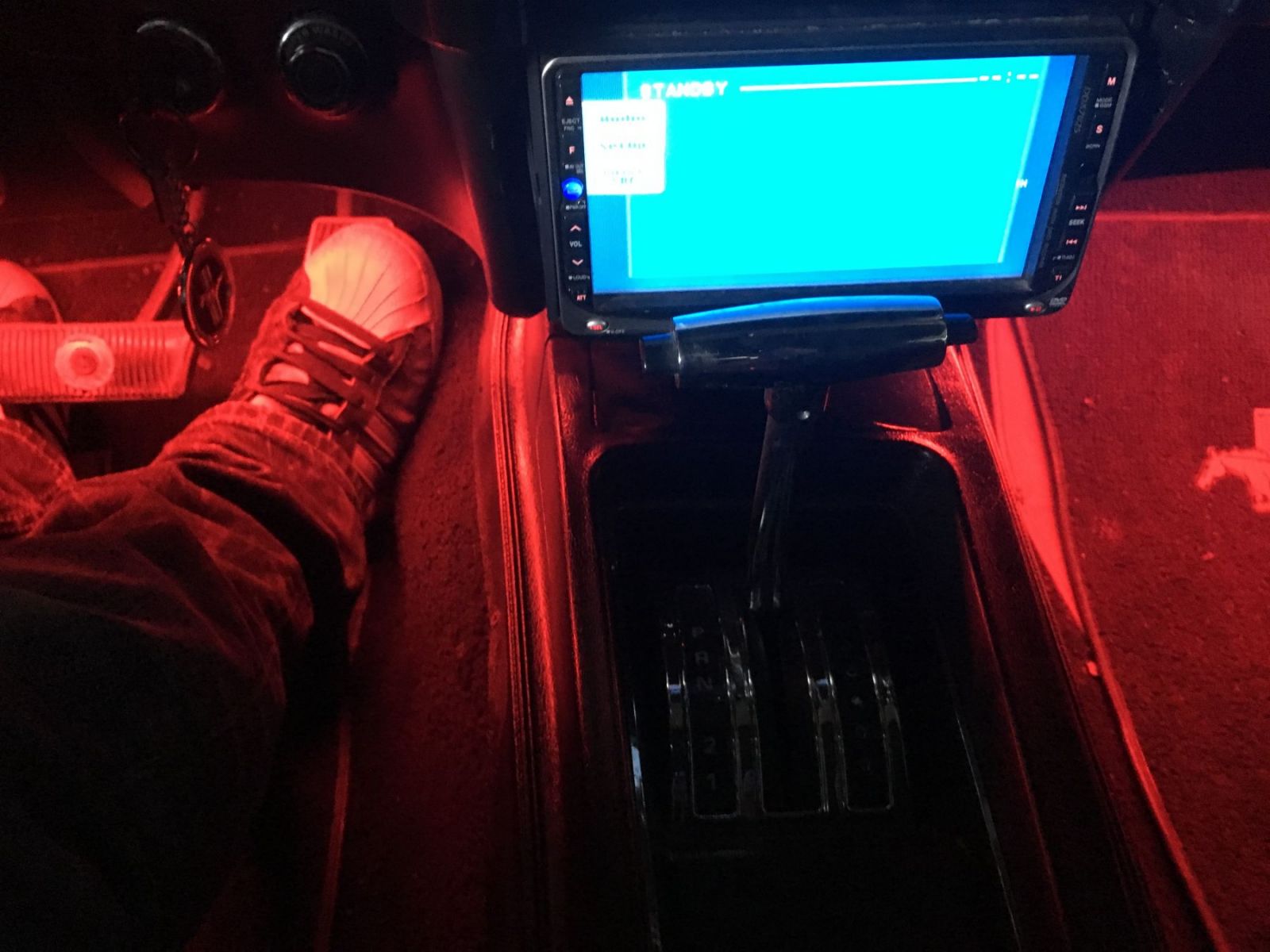
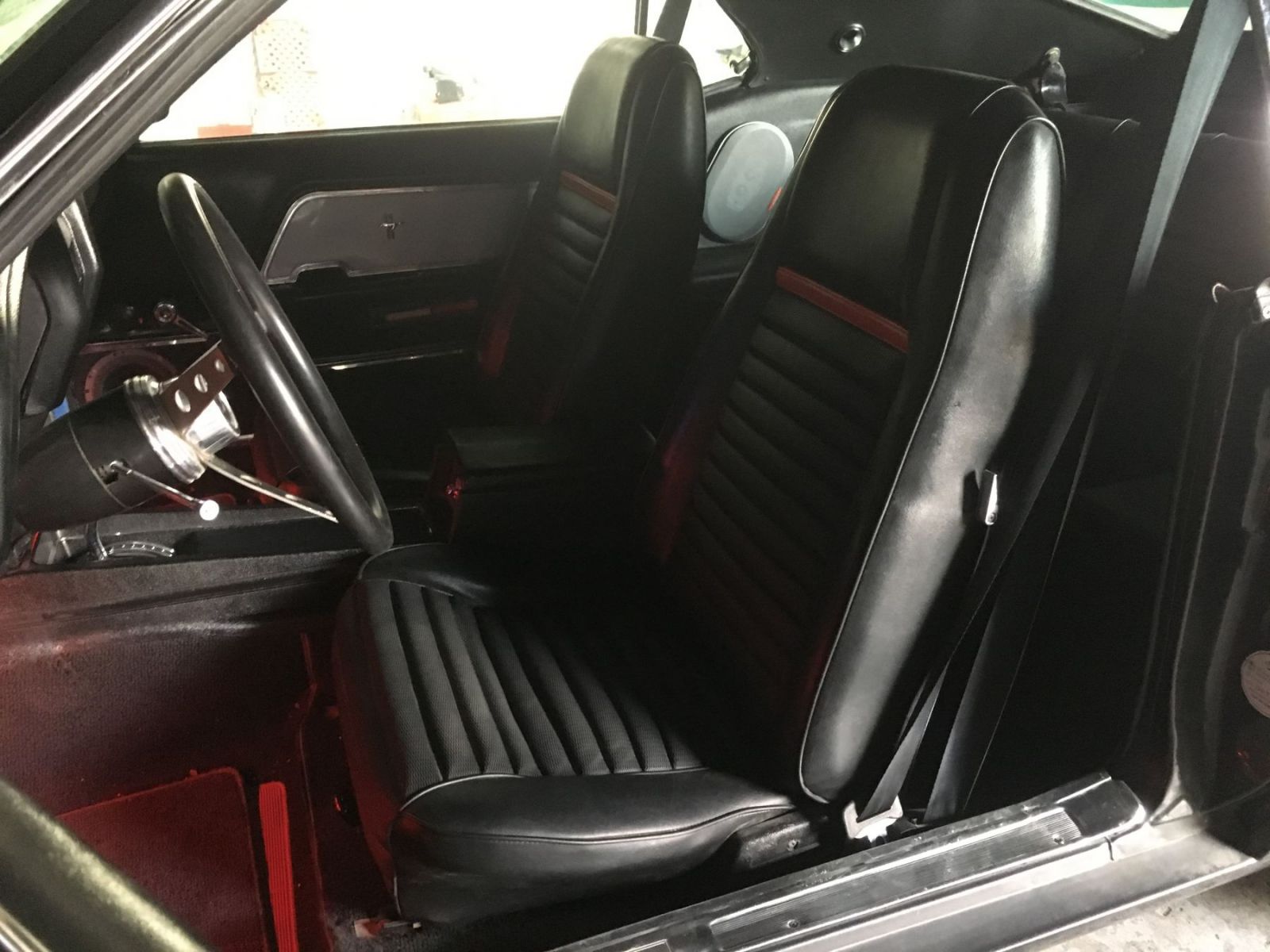
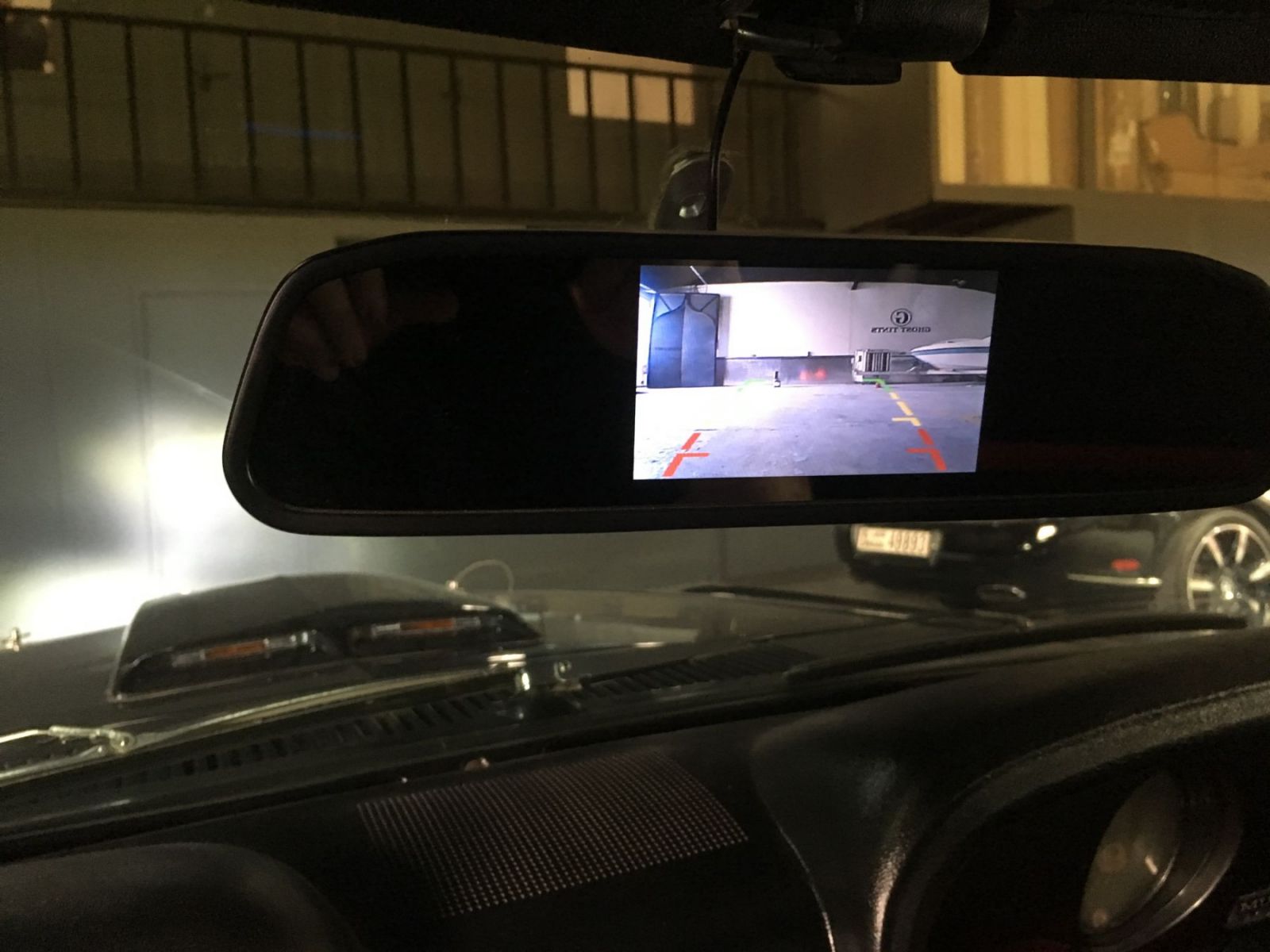
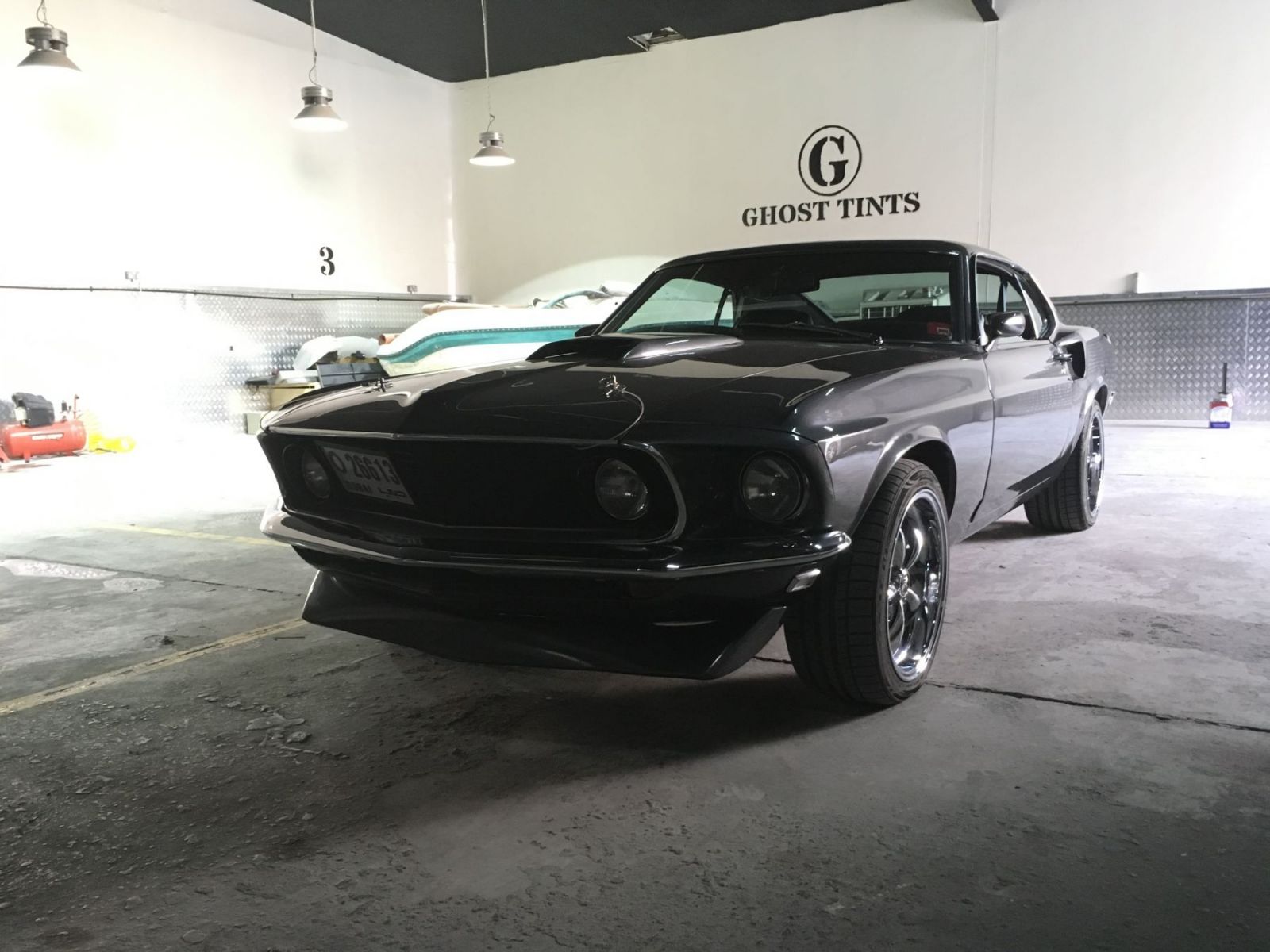
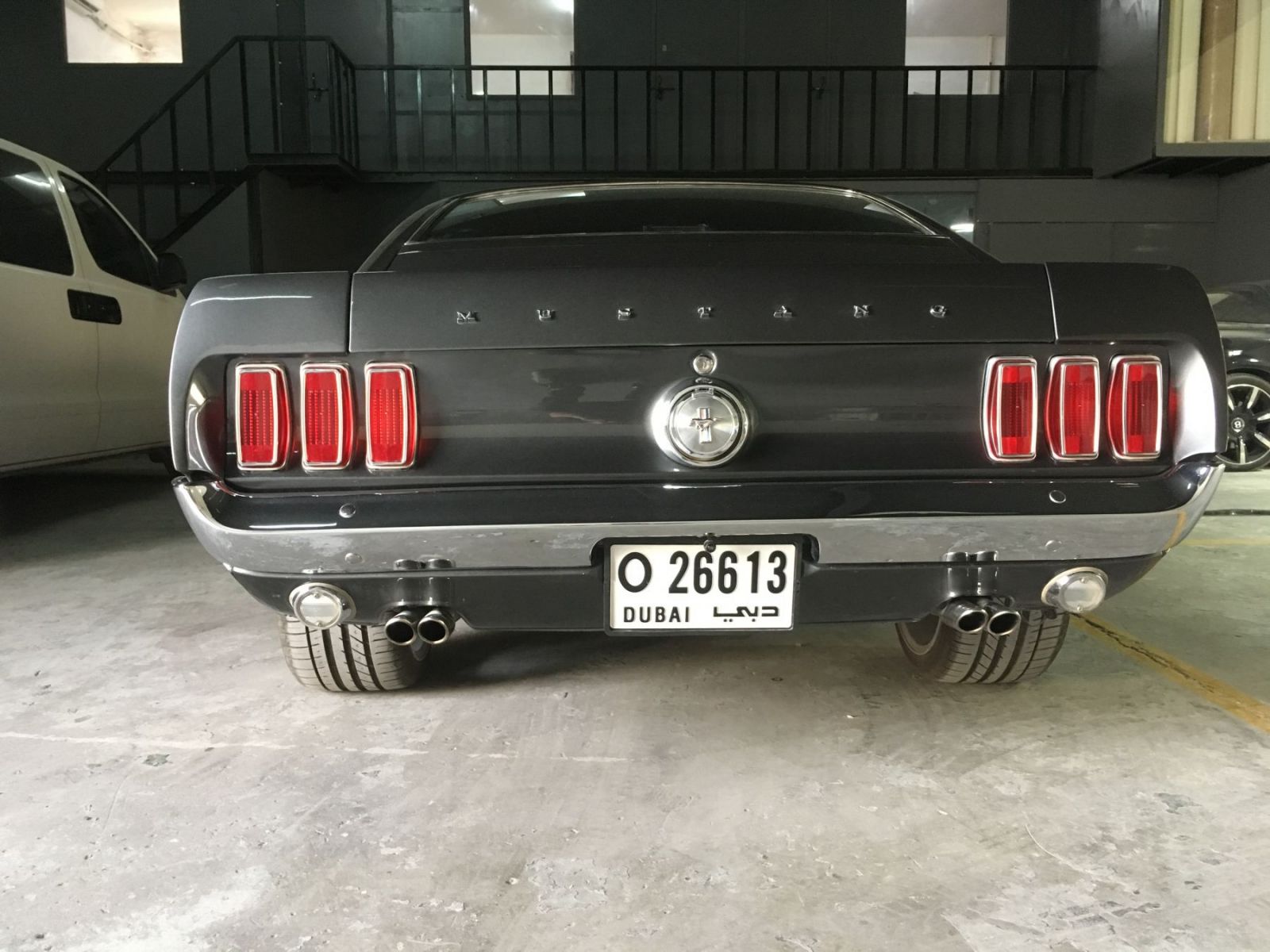
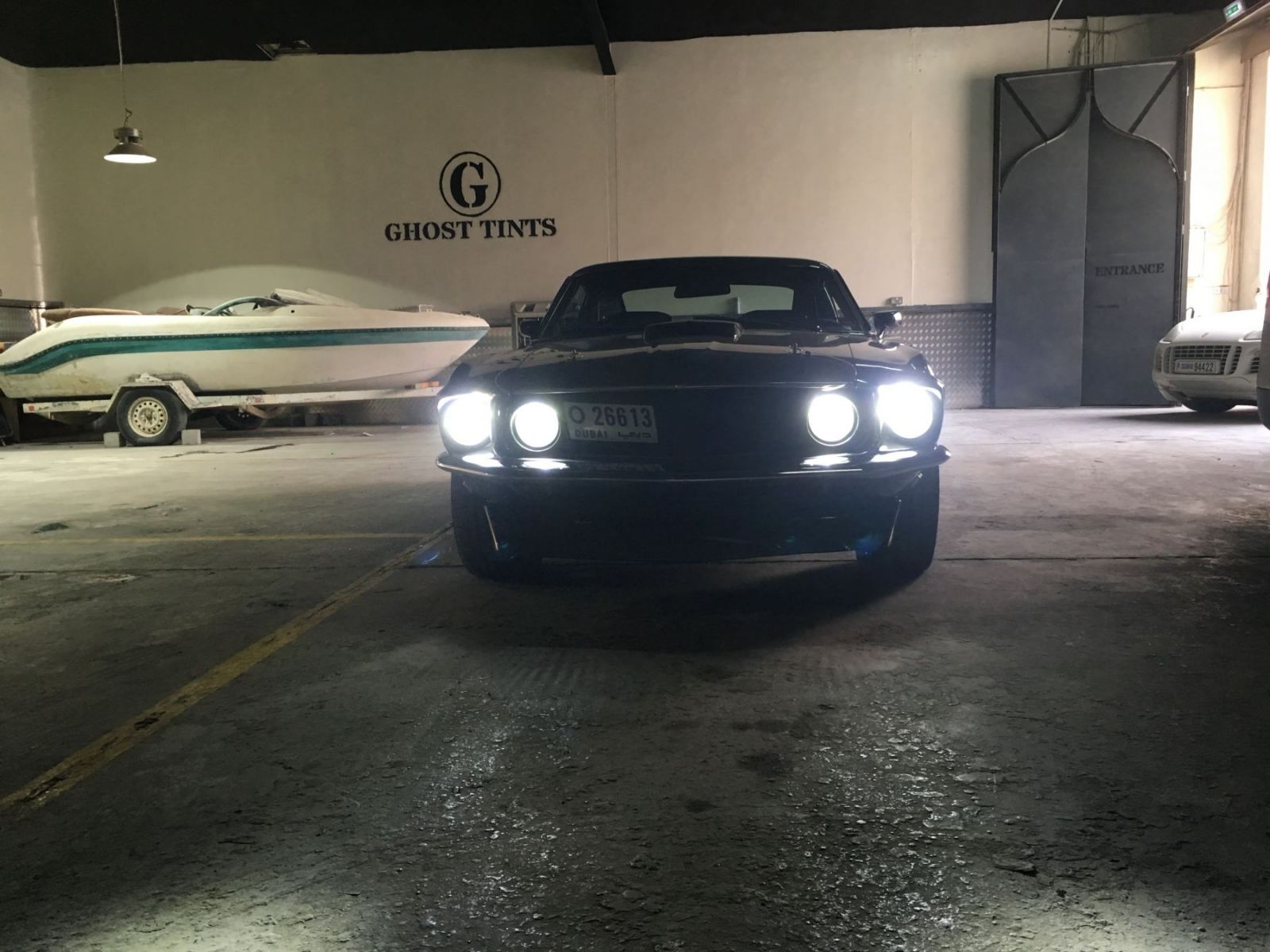
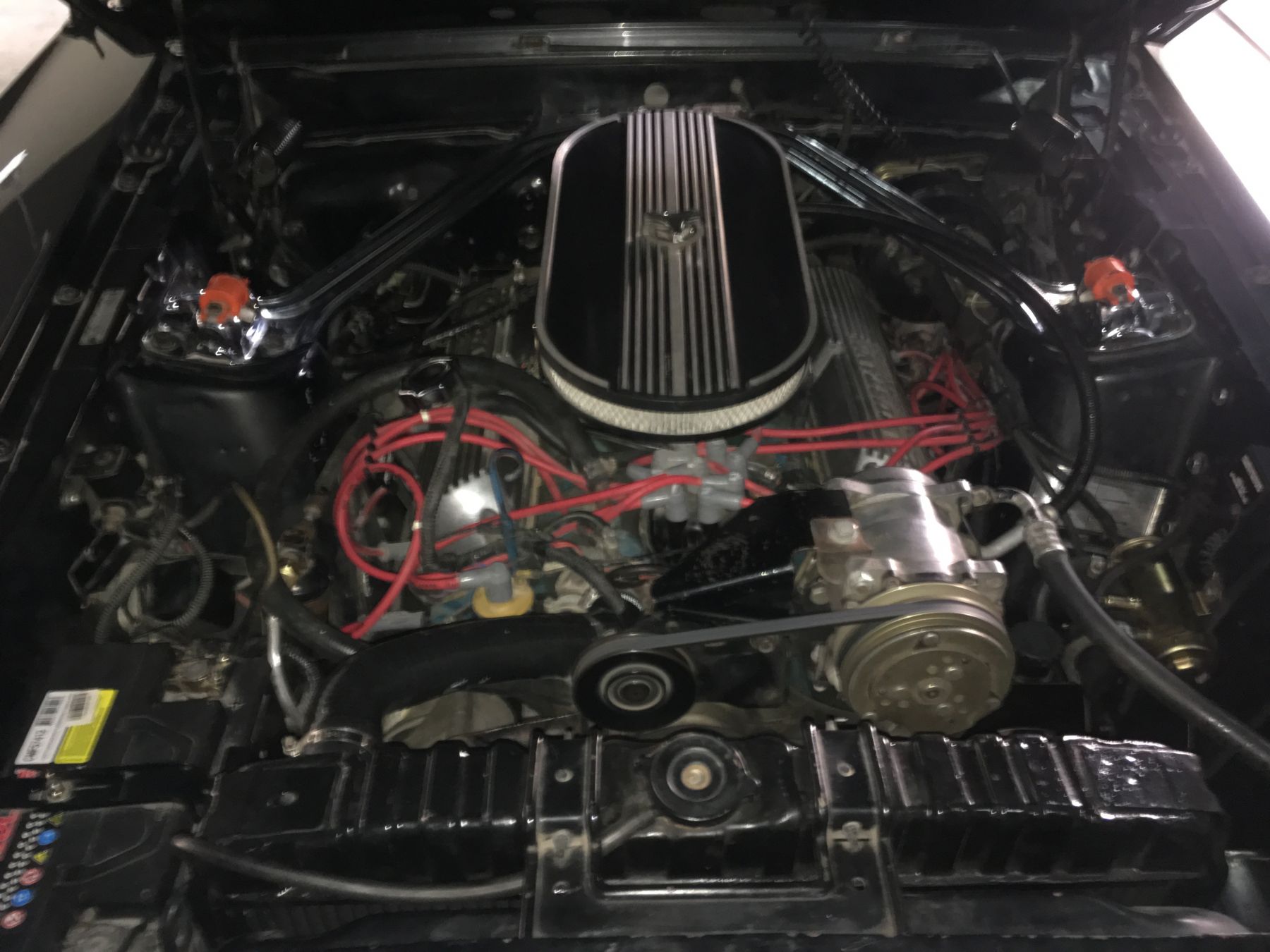
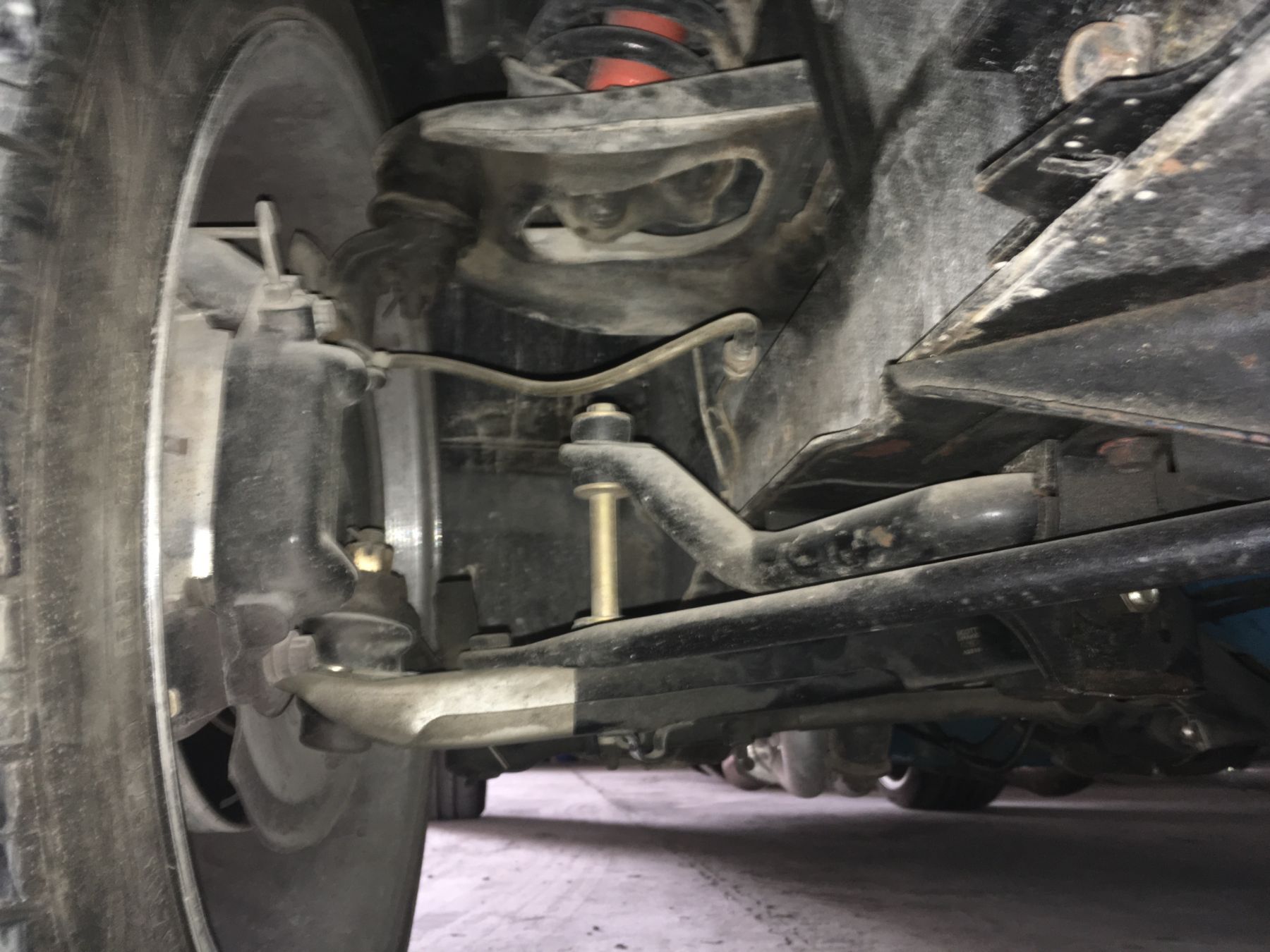
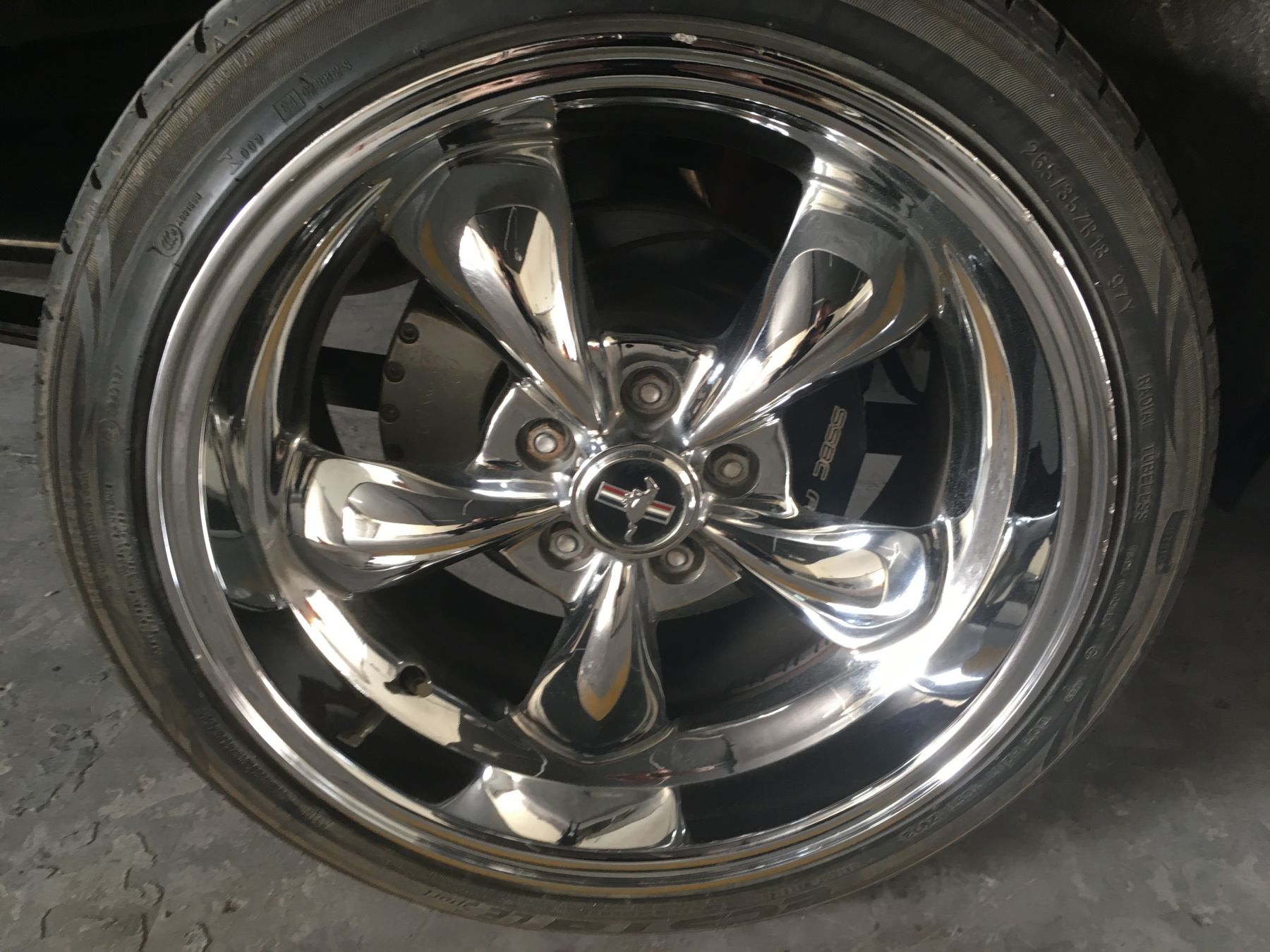
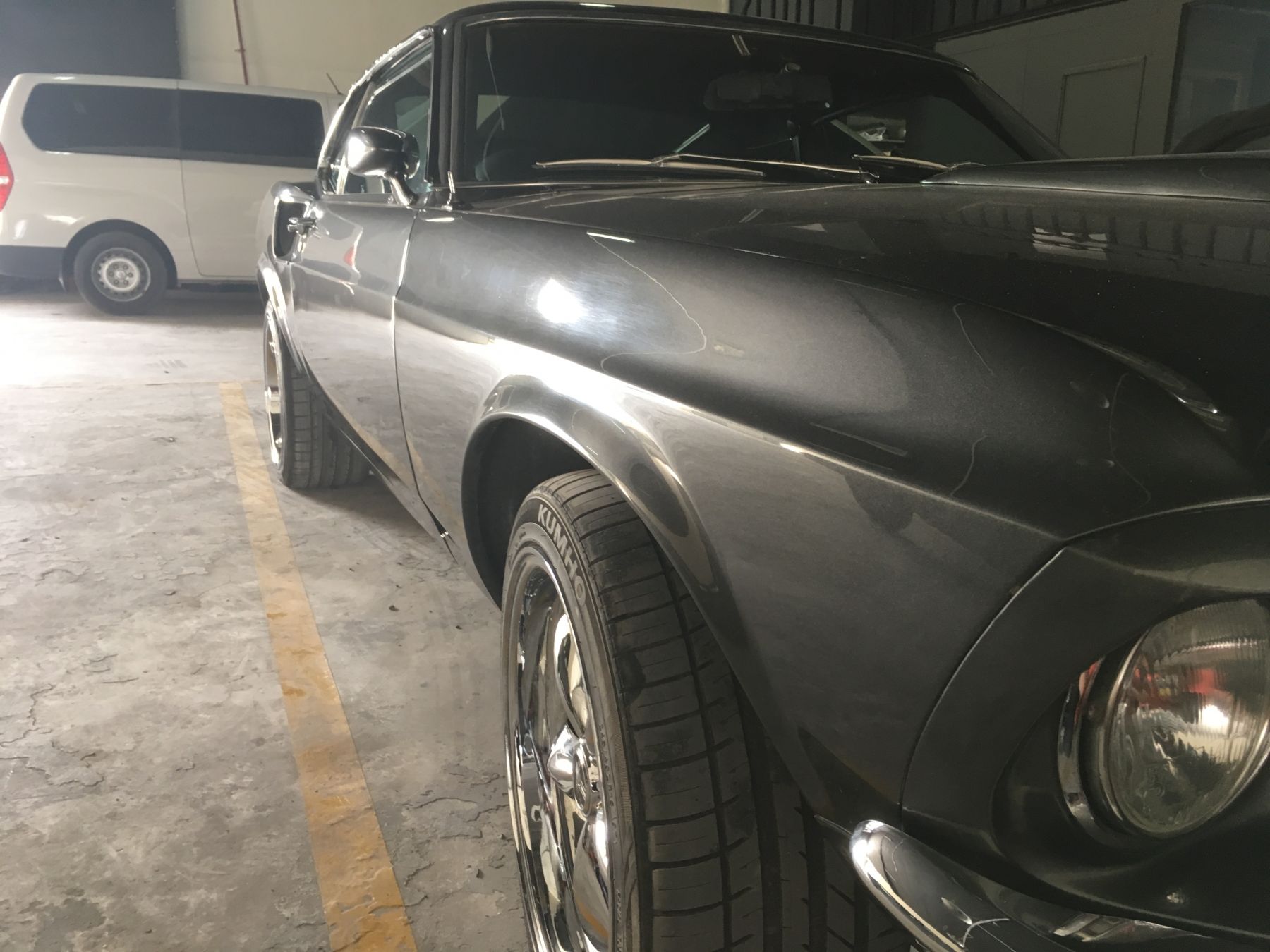
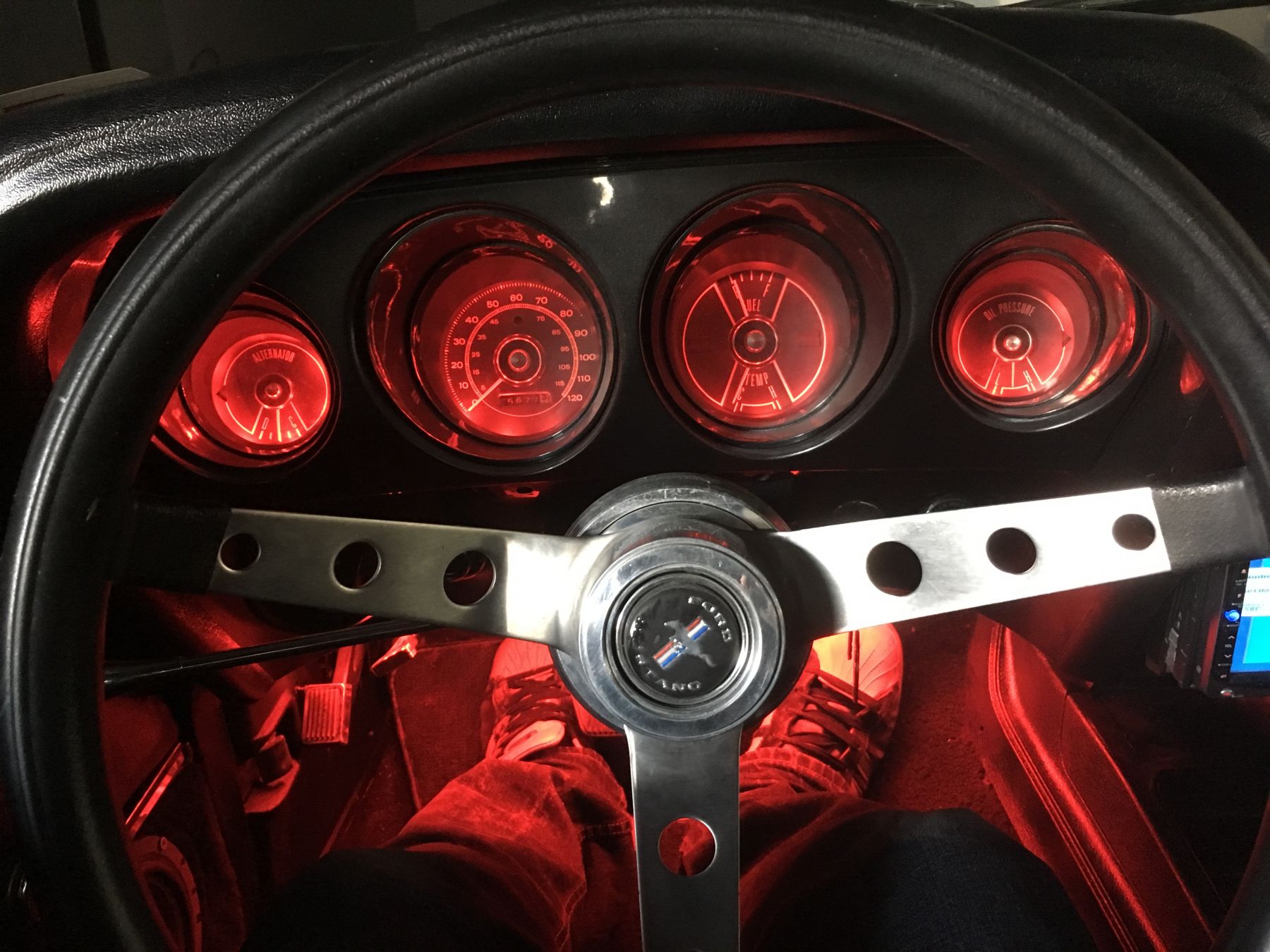
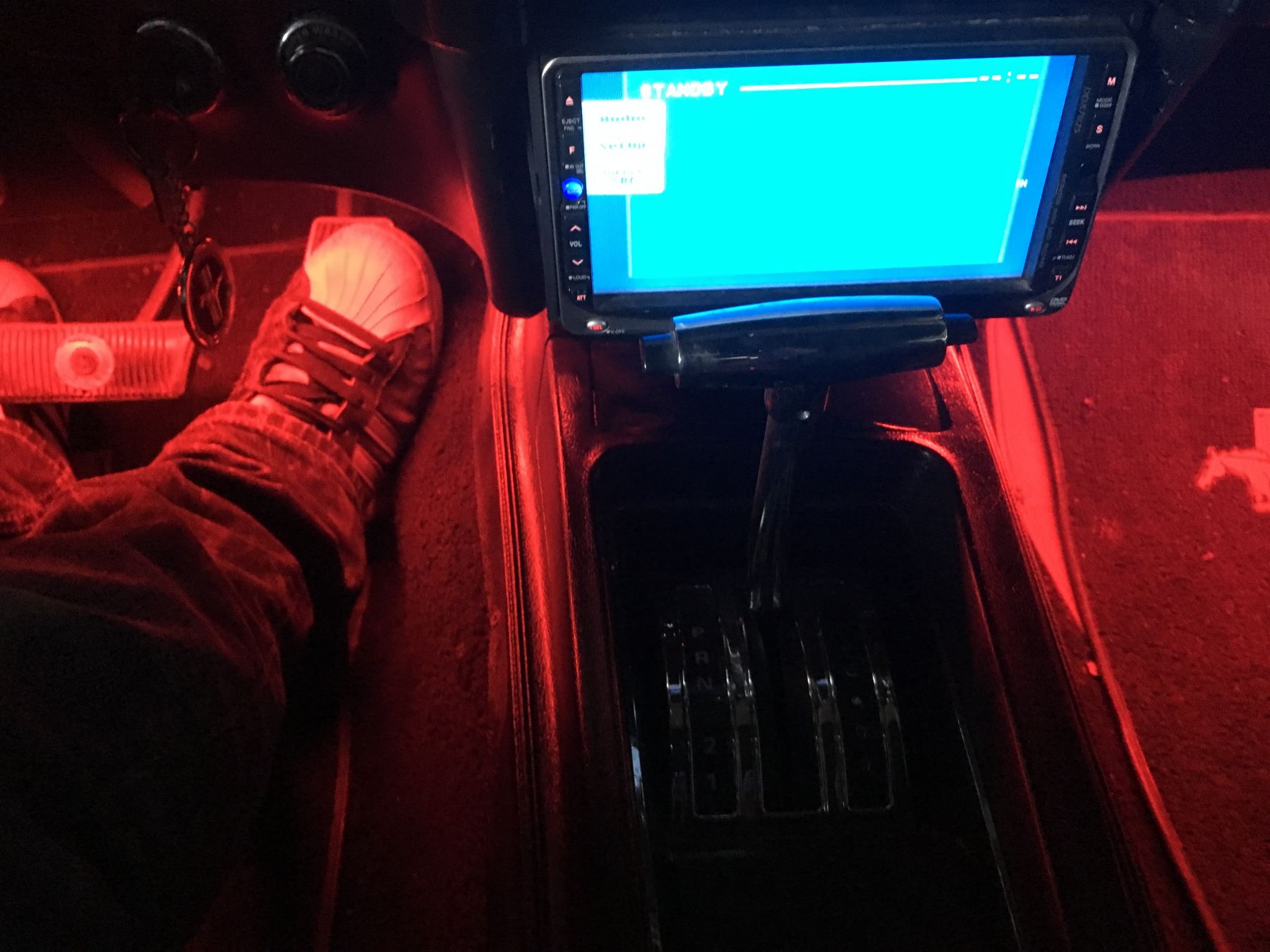
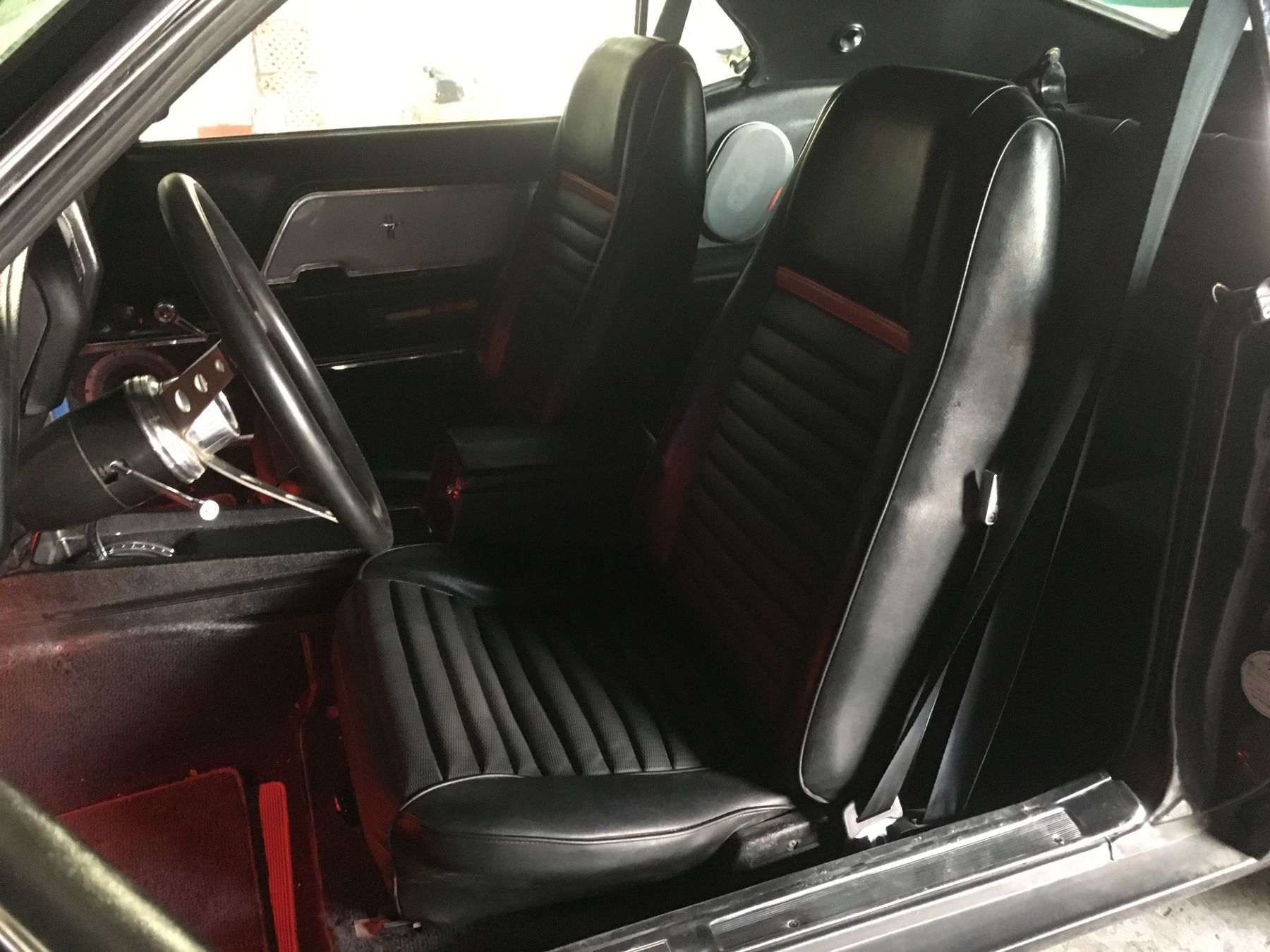
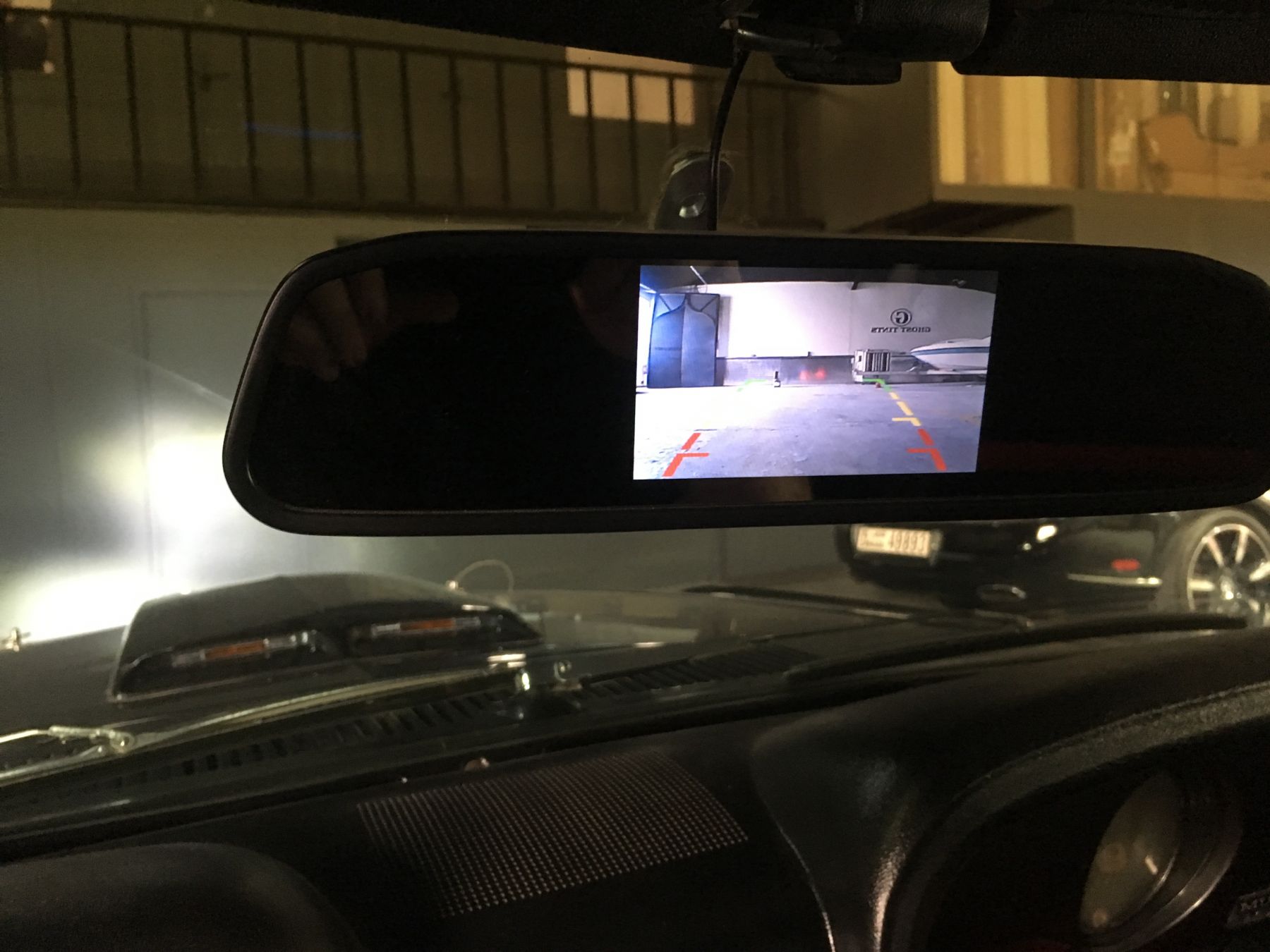
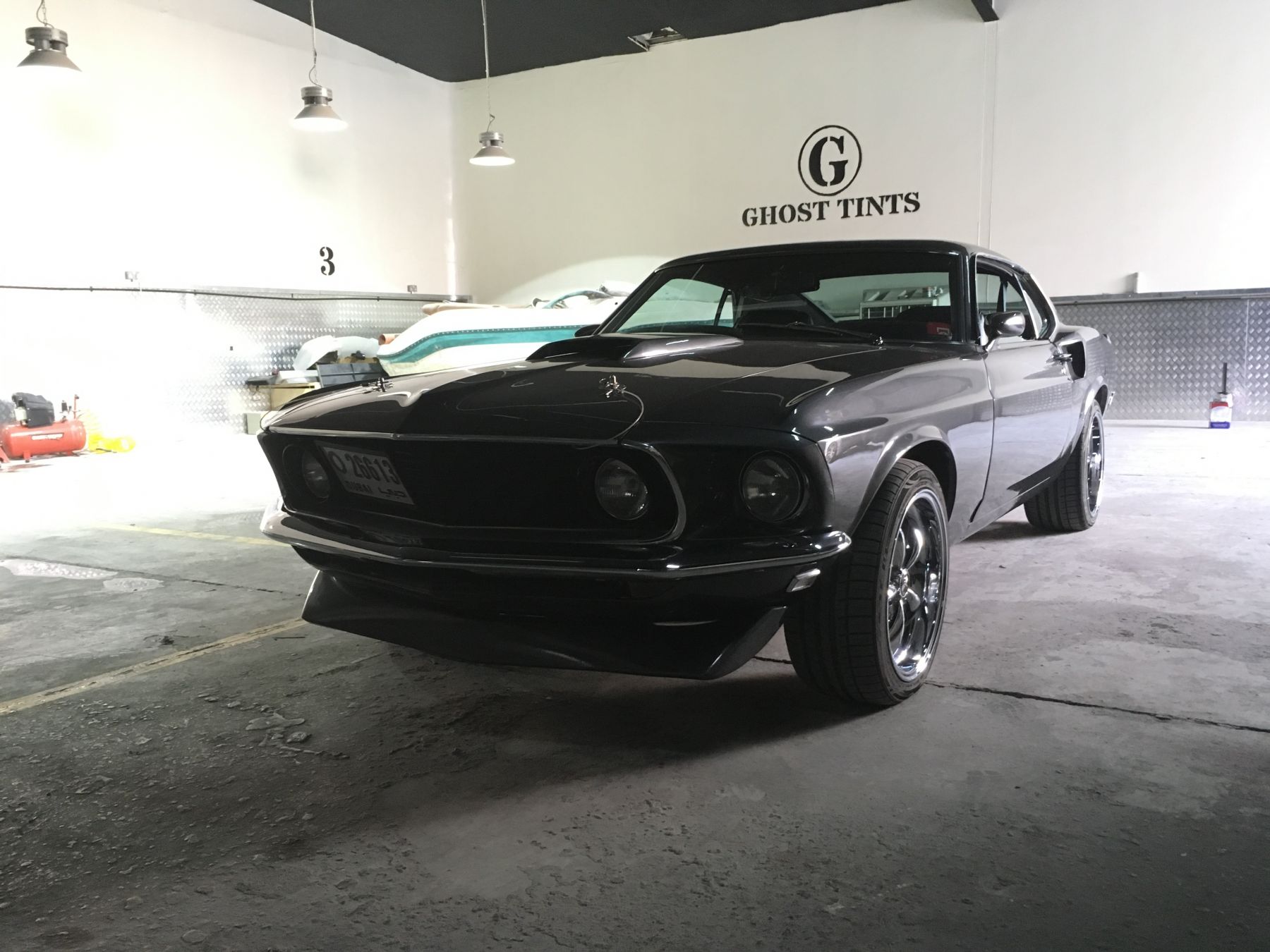
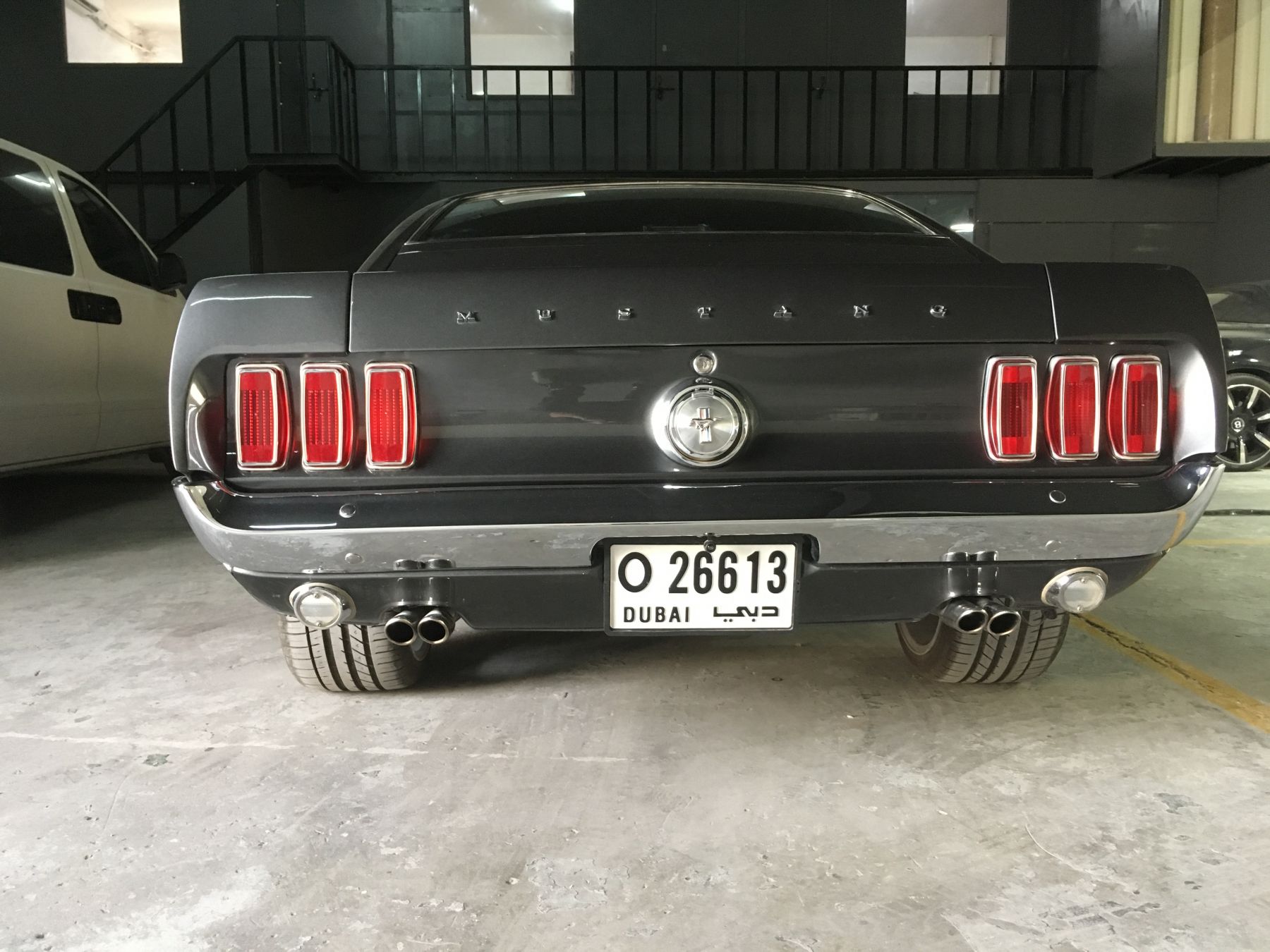
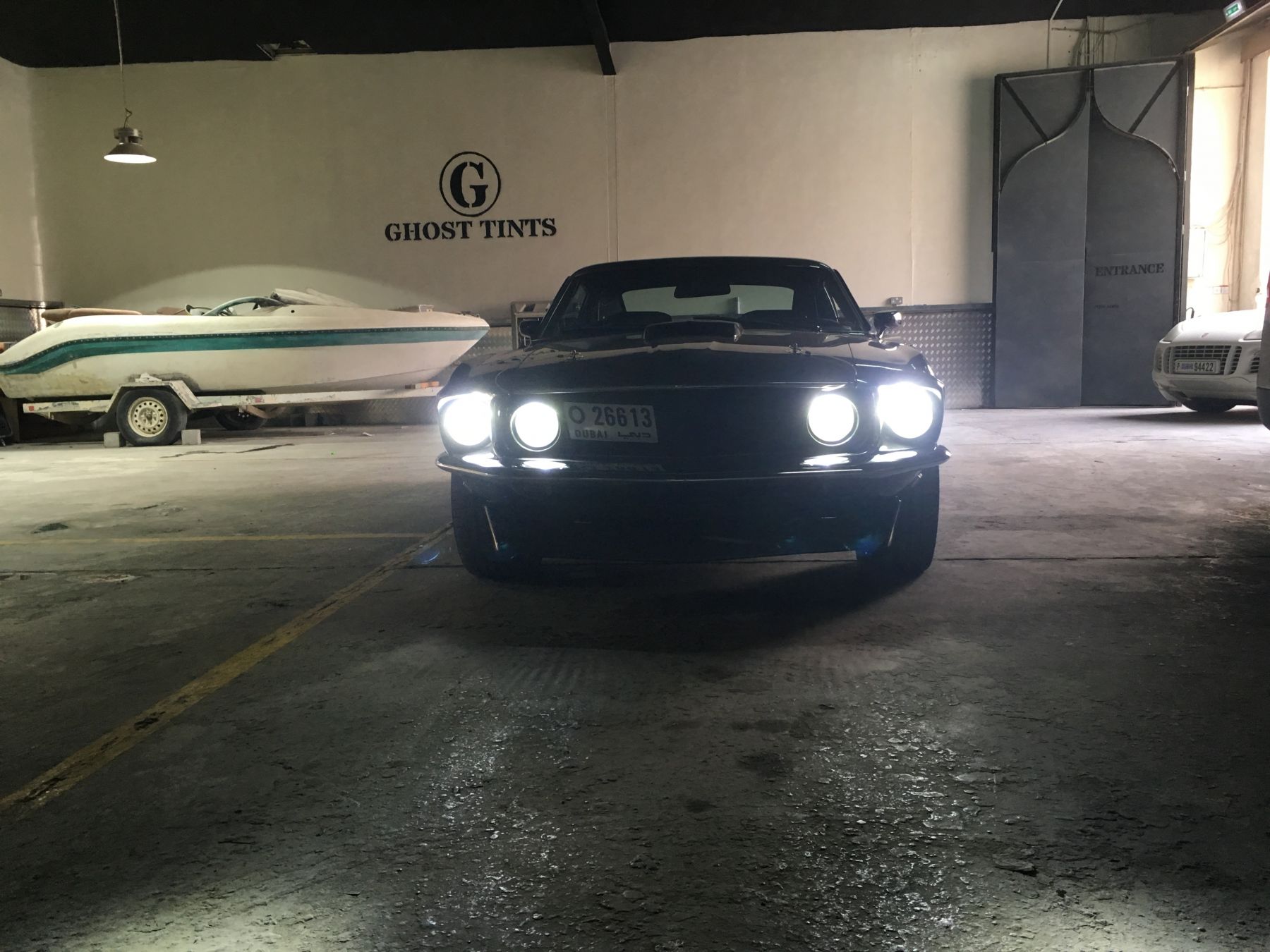
1969 Ford Mustang Mach 1 Restomod Engine and transmission: 351 CI Windsor V8 engine Edelbrock 4 barrel carb with automatic electric choke Electronic ignition 4-1 tubular exhaust manifolds Custom 3” dual exhausts Upgraded to electric fuel pump with safety cutout Custom built air conditioning system for Gulf climate 3 speed FMX automatic transmission Chassis: Monocoque construction Uprated shock absorbers Lowered 40mm in front on springs Lowered 40mm in rear on modified spring hangers Polybushed Front strut brace connected through bulkhead Power steering conversion with uprated pump Brakes, Wheels and Tyres: Billet alloy wheels Kumho Ecsta LE Sport 245/40 R18 on front Kumho Ecsta LE Sport 265/35 R18 on rear Vented discs all round SSBC Force 10 twin pot calipers front and rear Additional SSBC Force 10 handbrake calipers on rear Bodywork: Full respray in custom gun metal grey HID headlights Front chin spoiler Bonnet pins Hood scoop Sequential direction indicators fitted in scoop Chrome bumpers and trim Shortened radio antenna Vents on rear quarter panel Interior: Original vinyl low back seats Custom colour changing dashboard Dashboard plastics painted to match exterior colour Springalex style steering wheel Kenwood DVD head unit Boston Dynamics speakers Reversing camera screen hidden inside rear view mirror, only visible when activated I have been looking after this car for around a year now, doing maintenance, repairs, restoration and modifications along the way. Now I know you’re thinking it doesn’t look like any Mach 1 you may have seen before. That’s because it doesn’t. The previous owner had left the car with a bit of an identity crisis. It was a weird Mach 1/GT500 Eleanor hybrid. Eleanor bodykit complete with front bumper, arch spats, side skirts with holes for a side exhaust and random fake vents stuck all over the body. When you walked to the rear of the car it had the original Mach 1 rear window louvre and ironing board spoiler. Now the car has been restored to a much cleaner look with all the Satwa spec stick on parts removed. It’s finished in a beautiful gunmetal grey with deep lacquer for a high gloss finish. The first thing that hits you when you get into the car is the smell. Vinyl and petrol. It transports you back in time to a place where no modern car can ever take you. When you turn the key, you are greeted by the illuminated dashboard which can change colour at the touch of a button. If the car has been sitting for a while, it’s best to turn the ignition on/off a few times to fill the fuel bowl which facilitates easier starting. In this hot climate, the fuel will evaporate from the carburettor if the car hasn’t been used. Turn the key further to engage the starter motor, pump the accelerator a couple of times and the engine fires into life assaulting the senses. The first thing that hits is the noise and vibration. The 351 Windsor V8 with 4 barrel Edelbrock carb and 3 inch exhausts sounds like thunder and will rattle windows half a mile away. Engage D on the 3 speed FMX slushmatic box and you’re ready for the road. The Windsor engine produces 250 BHP in standard from. This example produces an estimated 275-280 BHP with the modifications. Being an almost 50 year old car it isn’t going to set the world on fire but it can hold its own amongst modern traffic. The suspension modifications help the car to corner flat and level and the wide, low profile tyres help it stick to the road. The car is equipped with an open type differential and would greatly benefit from one of a limited slip variety to add some tail out and donut action. The car originally came with drum brakes all round. The change to a modern system with vented discs with twin pot calipers makes a night and day difference to stopping distances and inspires confidence in hard braking situations. One thing to remember about old cars like this with carburettors is that they will need tuned twice a year to ensure maximum performance, once in winter and once in summer to account for the difference in intake air temperatures. The old points type ignition system has been changed for electronic ignition which leaves the car a lot more reliable and easier to service. The new modern sound system performs well but let’s be honest, when you drive a car like this the only station you need is Exhaust FM. This is an extremely long car and the reversing camera with disappearing screen concealed in the rear view mirror is a huge benefit. Other little touches like sequential LED turn indicators in the hood scoop, the HID headlights, all add up to make this a car you can drive every day. If you don’t mind the fuel bill that is. If you liked my review, don’t forget to hit the like button, share it with your friends and get them to hit the like button too. If I get a good response, I will review more classic and high end cars.
 1 point
 -
This is the story of how a simple circuit cost some of the major car manufacturers millions of dollars. An American engineer by the name of Robert Kearns was driving a 1962 Ford Galaxie convertible. This car was equipped with 2 speed wipers, slow and fast. Mr Kearns realised that this system was no good. When there was a light drizzle of rain, he would select the slow speed but the rain was so light that the wipers were dragging across a dry windscreen, making a horrible noise, wearing out the wiper blades and putting unnecessary strain on the wiper mechanism. Windscreen clearing ability aside, the constant tick tock tick tock was distracting drivers and making them fall asleep whilst driving. Mr Kearns realised that the wipers need a dwell period. Where the wiper would sweep the windscreen, rest for a bit, then wipe again. So he set about to devise a solution. This was no problem for Mr Kearns who had previously graduated with a degree in mechanical engineering from the University of Detroit and went on to earn a masters degree in Engineering Mechanics. When studying for his PhD, he set about working on a new wiper system in the basement of his home. This took a long time as he was concentrating his efforts on his degree but after many prototypes he finally came up with a system he was happy with. Another system with variable wiping speed had previously been developed by a company called Trico. Their system was far from reliable though. It was pneumatically operated and over complicated and had a high failure rate. A few other companies developed similar variable wipe systems but the issue was always reliability. Mr Kearns had perfected it though. His system was so simple and had minimal failure points. One transistor, one capacitor and one potentiometer. All these components worked together to introduce a dwell period where the wipers would stop between sweeps which could be adjusted by the driver. He even envisioned the first early rain sensing system where the wiper speed would be automatically be adjusted by the amount of drag on the wiper blades. This system was so simple, affordable and cheap to manufacture that Mr Kearns saw the gap in the market and decided to start marketing it to the vehicle manufacturers. Mr Kearns had driven Fords his entire life and had massive brand loyalty so Ford was the natural first choice for him to demonstrate his new product. He had installed the system in the aforementioned Galaxie so he brought it along to show. It turned out that Ford had been trying to develop their own system with limited success. Ford put Mr Kearns system through their own testing process and decided to implement it in 1969. As soon as Ford understood and refined the system, they dropped Mr Kearns and told him they had no further interest. Luckily for Mr Kearns, he had the patent for his circuit granted and published in 1967. His rights to his bespoke design were enshrined in law putting him in a profitable position. Mr Kearns was pretty shocked when in 1969, Ford turned around and introduced the first electronic intermittent wiper system. Not long after that, GM jumped aboard along with Chrysler, all using the same system designed by Mr Kearns. A bigger shock came for him in 1976 when he found out his system had crossed the globe and was implemented by Mercedes Benz. He soon lost heart of becoming a major supplier and started a war with Ford. He launched a lawsuit in 1978, seeking 141 million dollars in compensation from Ford but they fought back, claiming the design wasn't original because all the parts were readily available on the market. Mr Kearns fought back justifiably, arguing that it wasn't the components, it was how they were combined and this is what justified his patent. In 1982, he filed a similar case against Chrysler, amongst 26 other companies including, Alfa Romeo, Ferrari, Honda, Isuzu, Nissan, Peugeot and others. For Mr Kearns, it wasn't about the money, it was about protecting the patent system. If someone invented something, they should own the rights to it. The manufacturers had plenty of time and money on their hands and were prepared to spend it, even if they were in the wrong. By 1990, Ford owed Mr Kearns 325 million dollars. They offered him a settlement of 30 million but he rejected it on the principle that they refused to acknowledge that he designed the system. Eventually in 1990, the courts ruled in Mr Kearns favour, saying that Ford had infringed his patent unintentionally. He got 10.2 million for this and 2 years later, Chrysler were also ordered to pay him 11.3 million. Chrysler tried to appeal but in 1995, the appeal was rejected and they were ordered to pay Mr Kearns 18.7 million plus interest. By this stage, Mr Kearns was so tired of fighting lawsuits that he missed out on filing paperwork to sue many other manufacturers. The rest of the lawsuits were dismissed in 1996 but but by this stage, he had spent all his money on legal fees and countless manufacturers were using his system on tens of millions of cars. The monetary fees weren't the only issue. In the course of all this, Mr Kearns wife left him, all his business partnerships broke down. The fight to be recognised for what he invented had taken everything from him. On February 9th 2005, Mr Kearns died of brain cancer. Until the day he died, he always had a Ford parked outside his his house. Not many people know about Mr Kearns and the life he led but in 2008, there was a movie released called Flash of Genius which would spread his story to the world, widely available on most torrent and streaming sites.

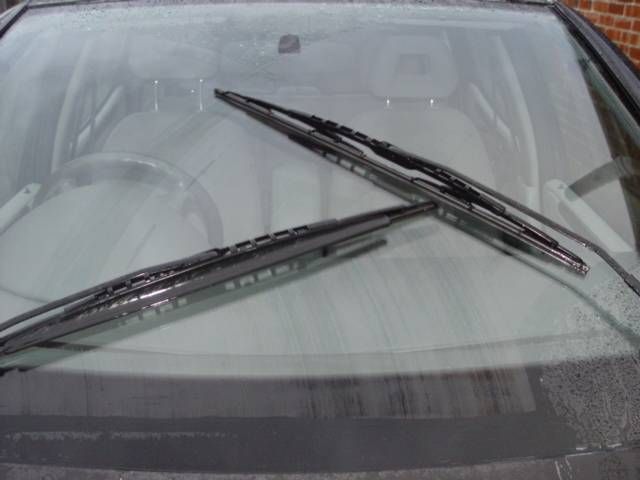
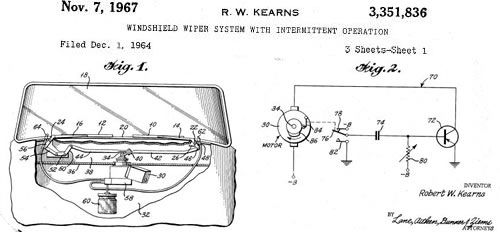
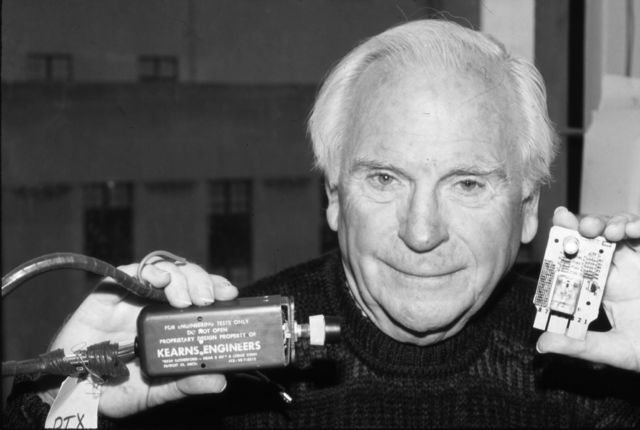 1 point
 -
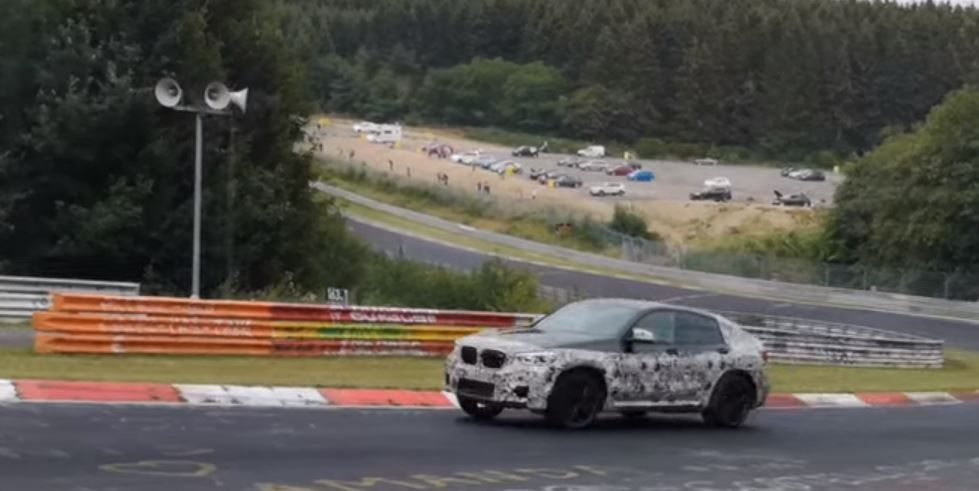
BMW seems to do some hard testing for their 2019 BMW X4 in Nurburgring. Looks pretty big and bulky but engine roar and stability seems quite impressive
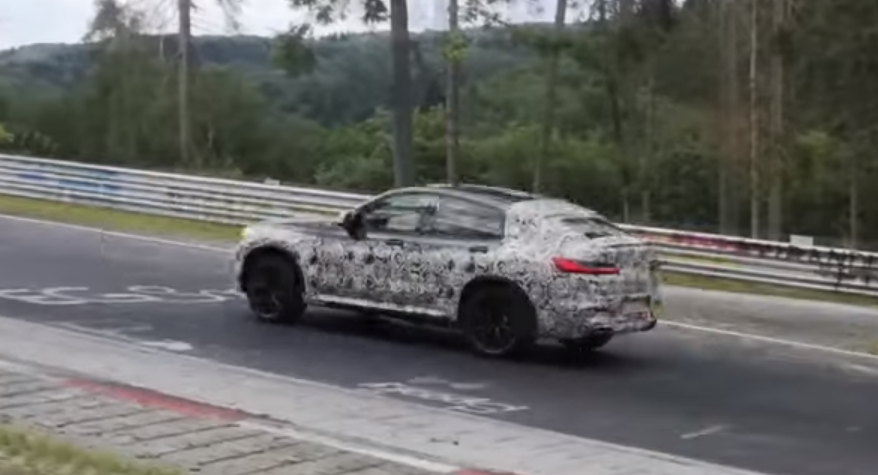
 1 point
 -
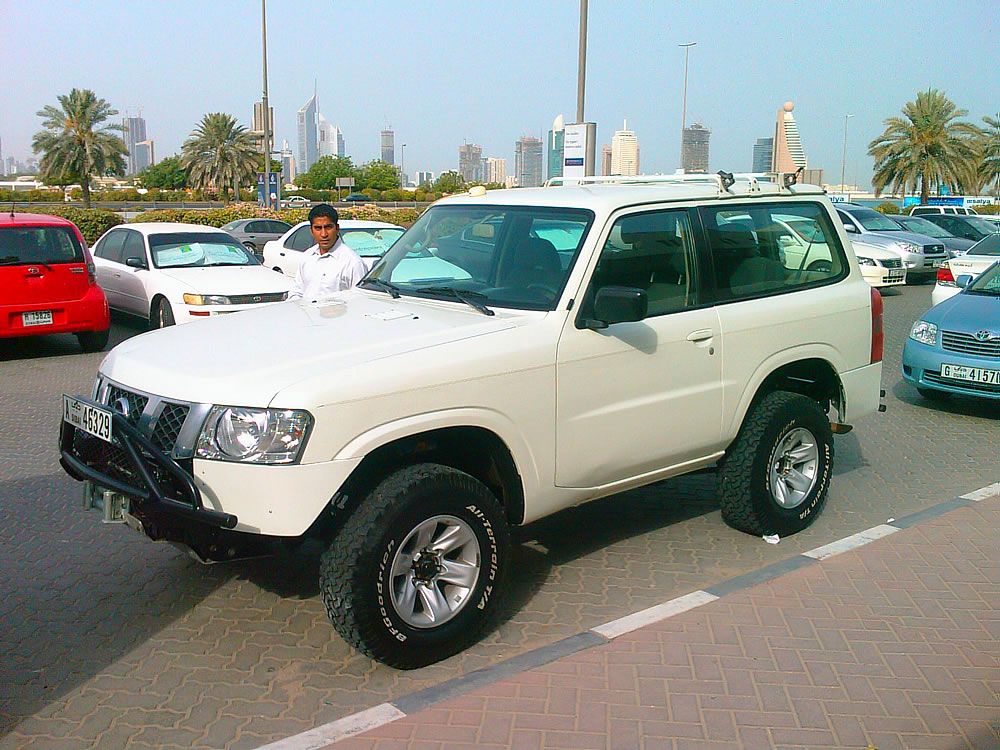
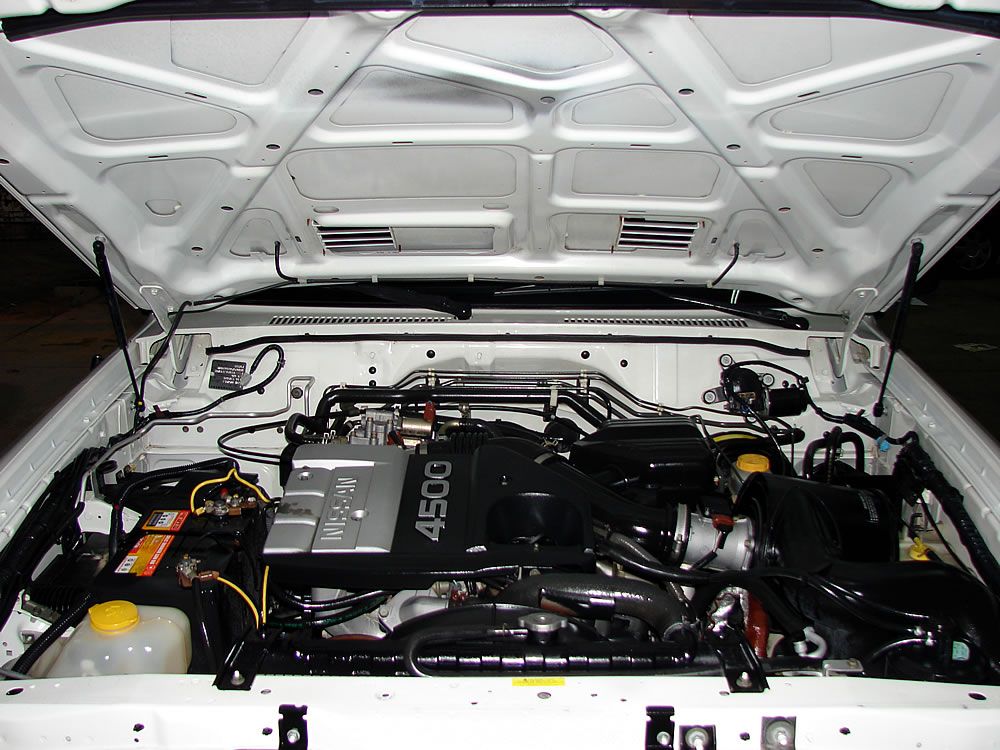
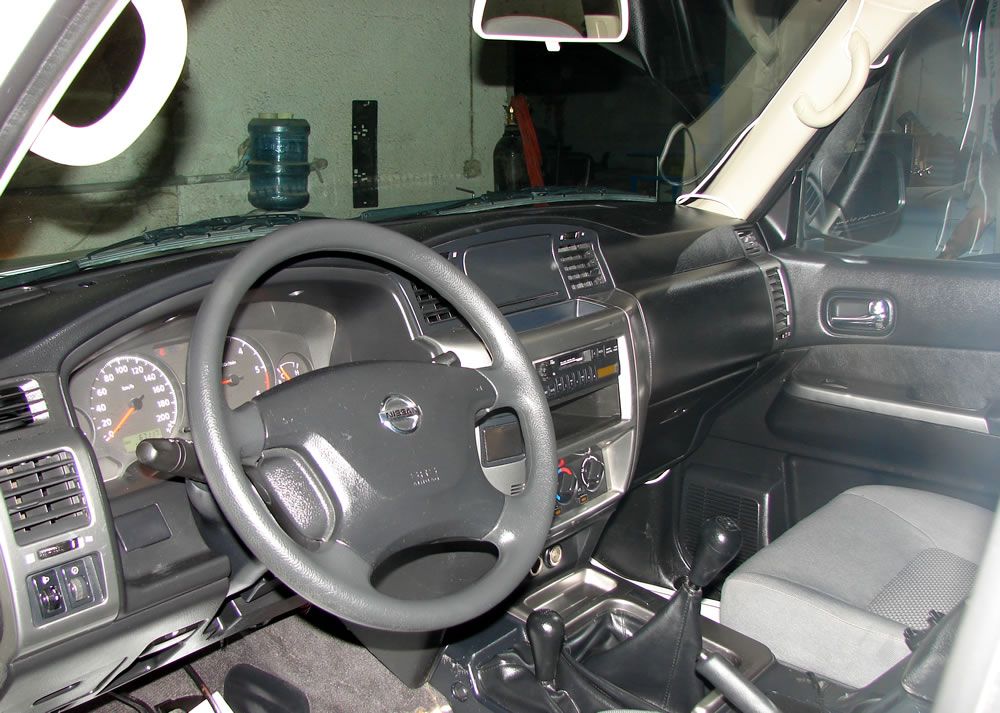
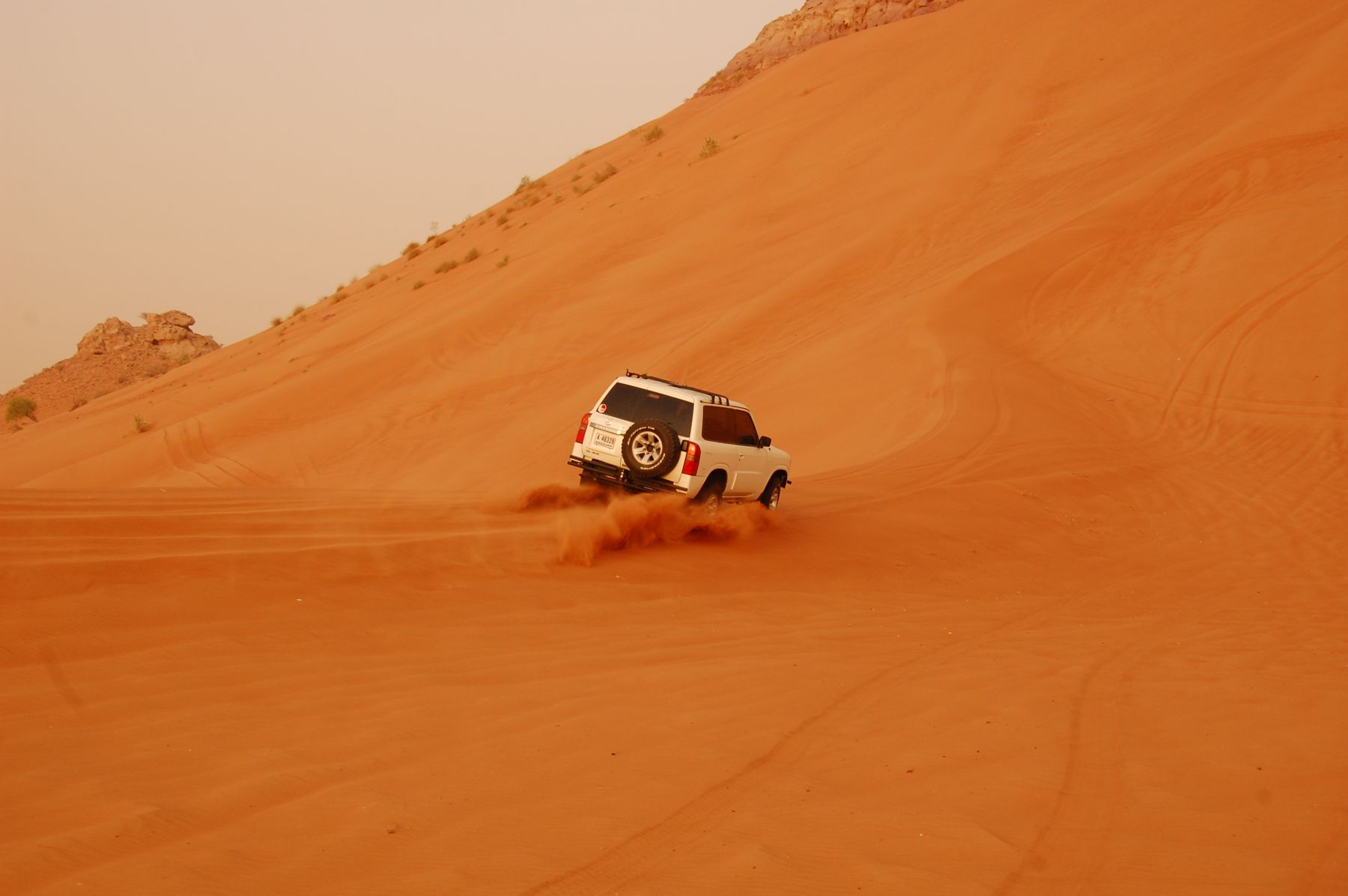
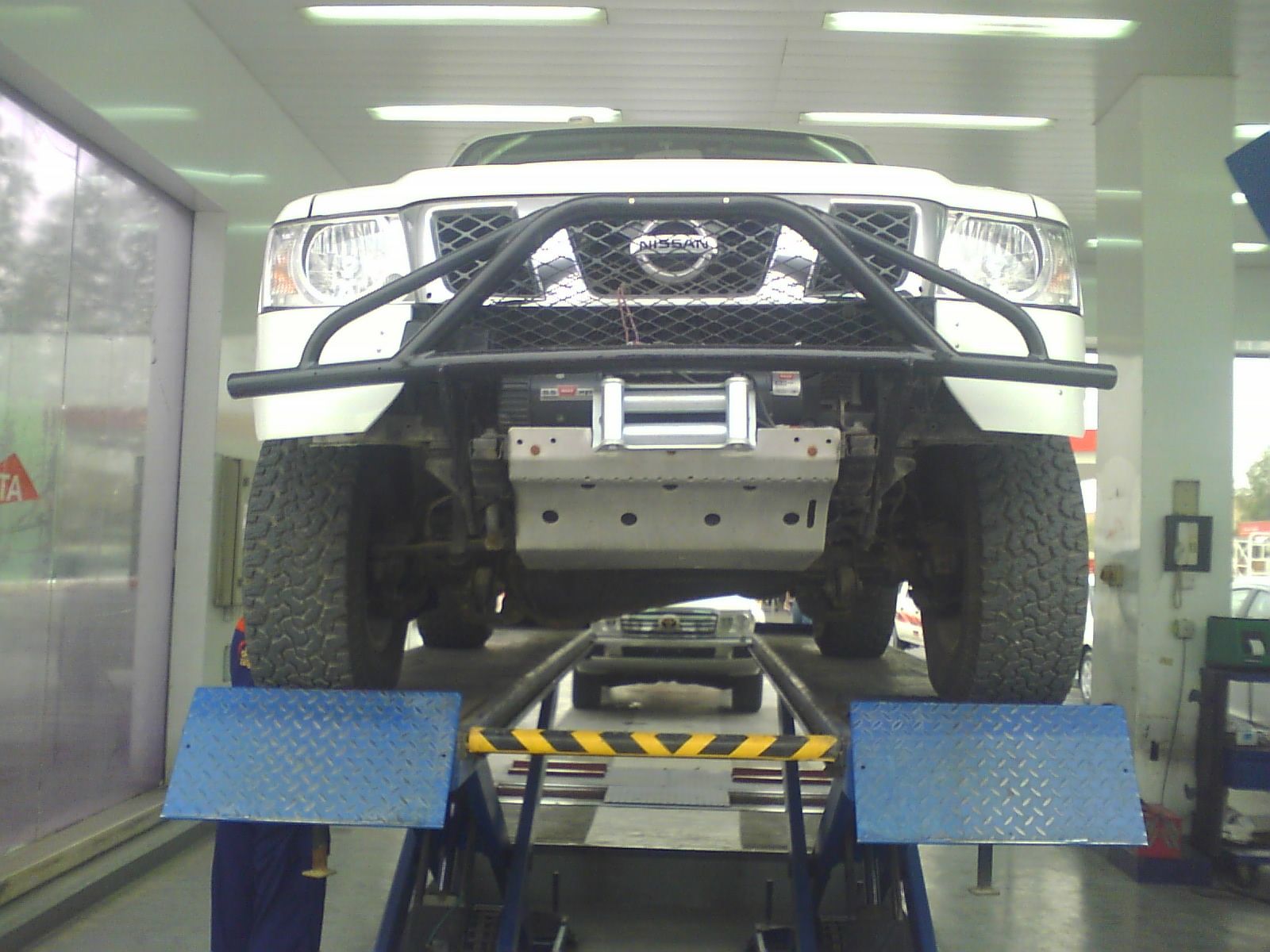
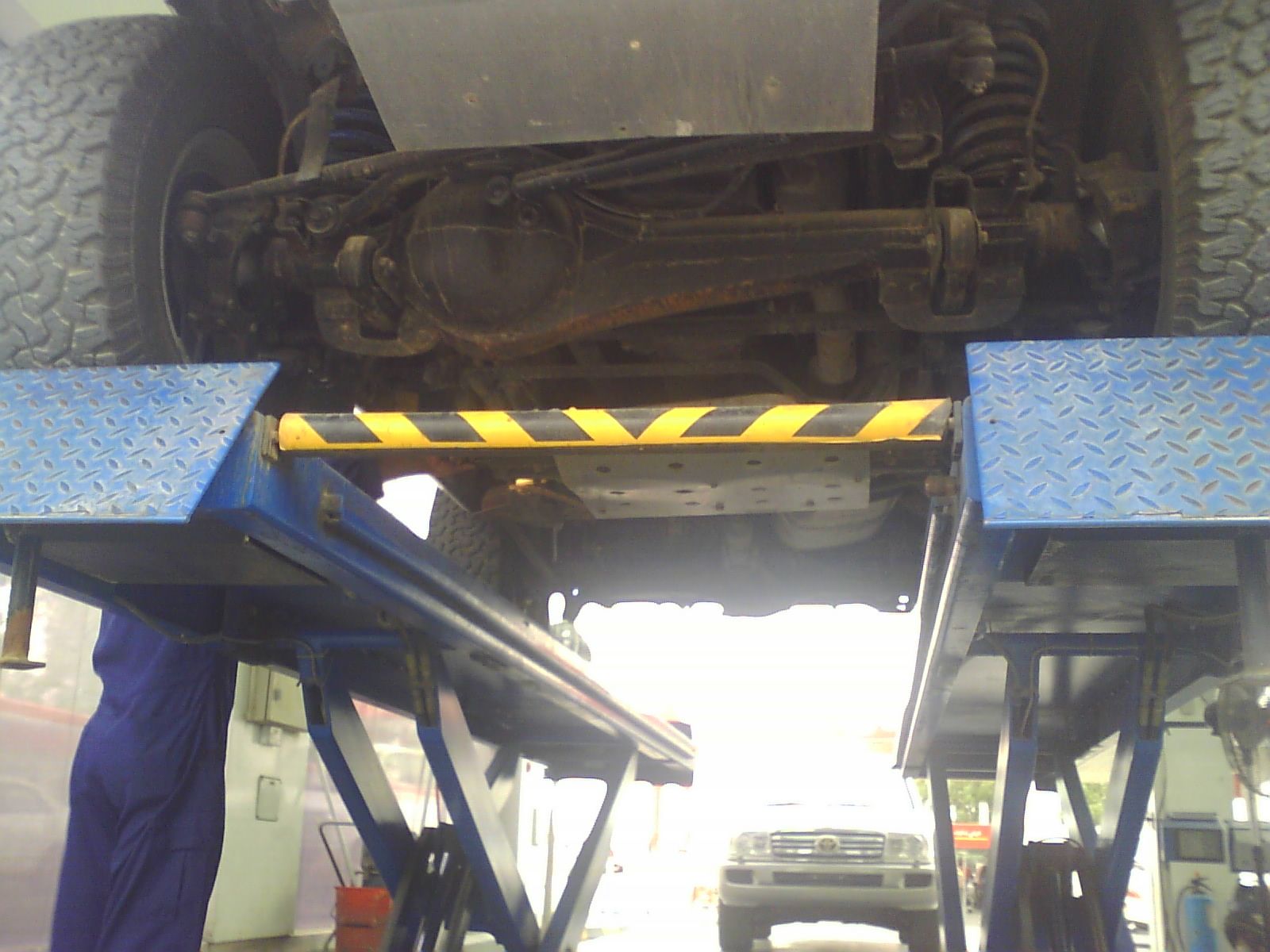
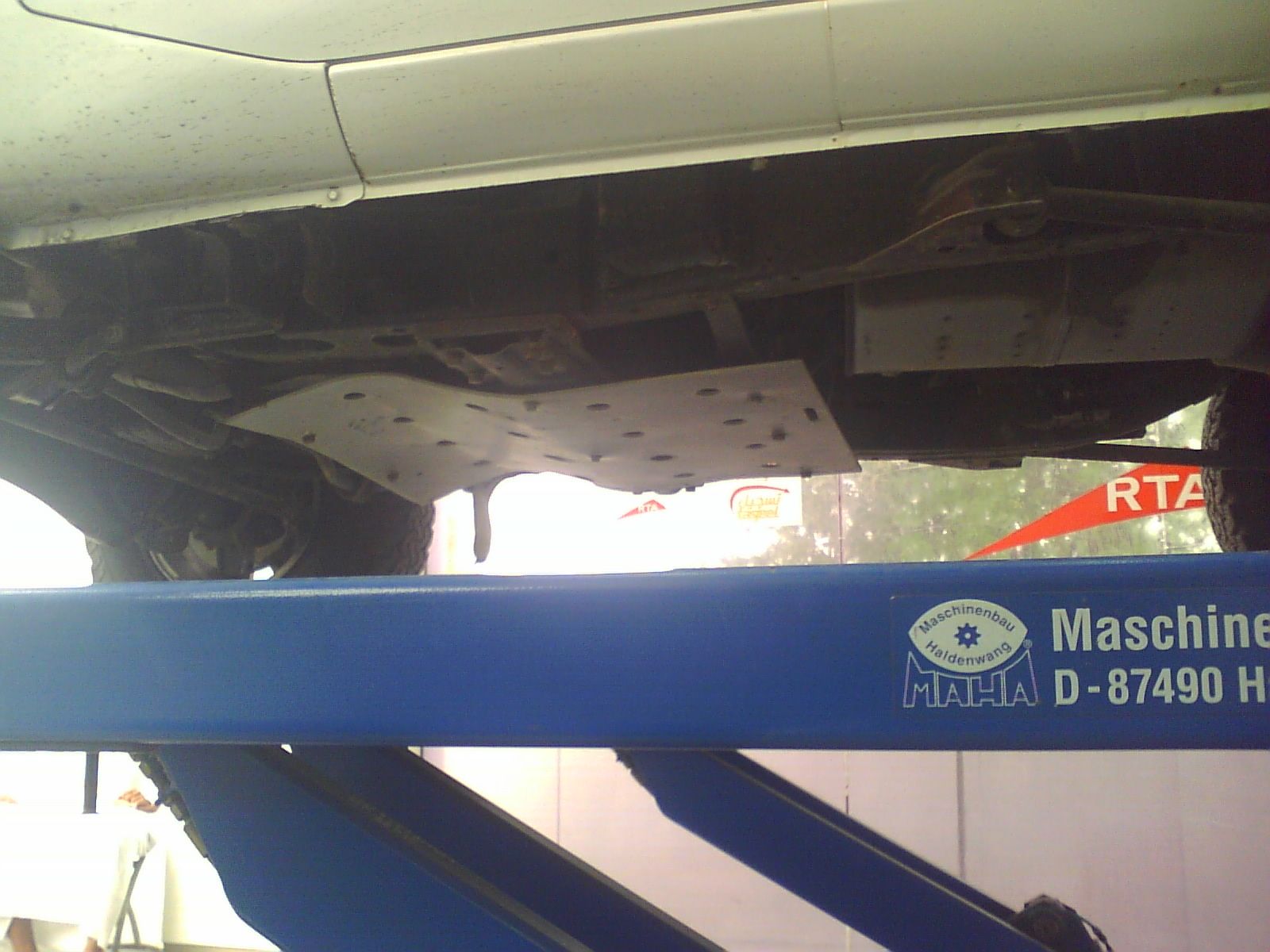
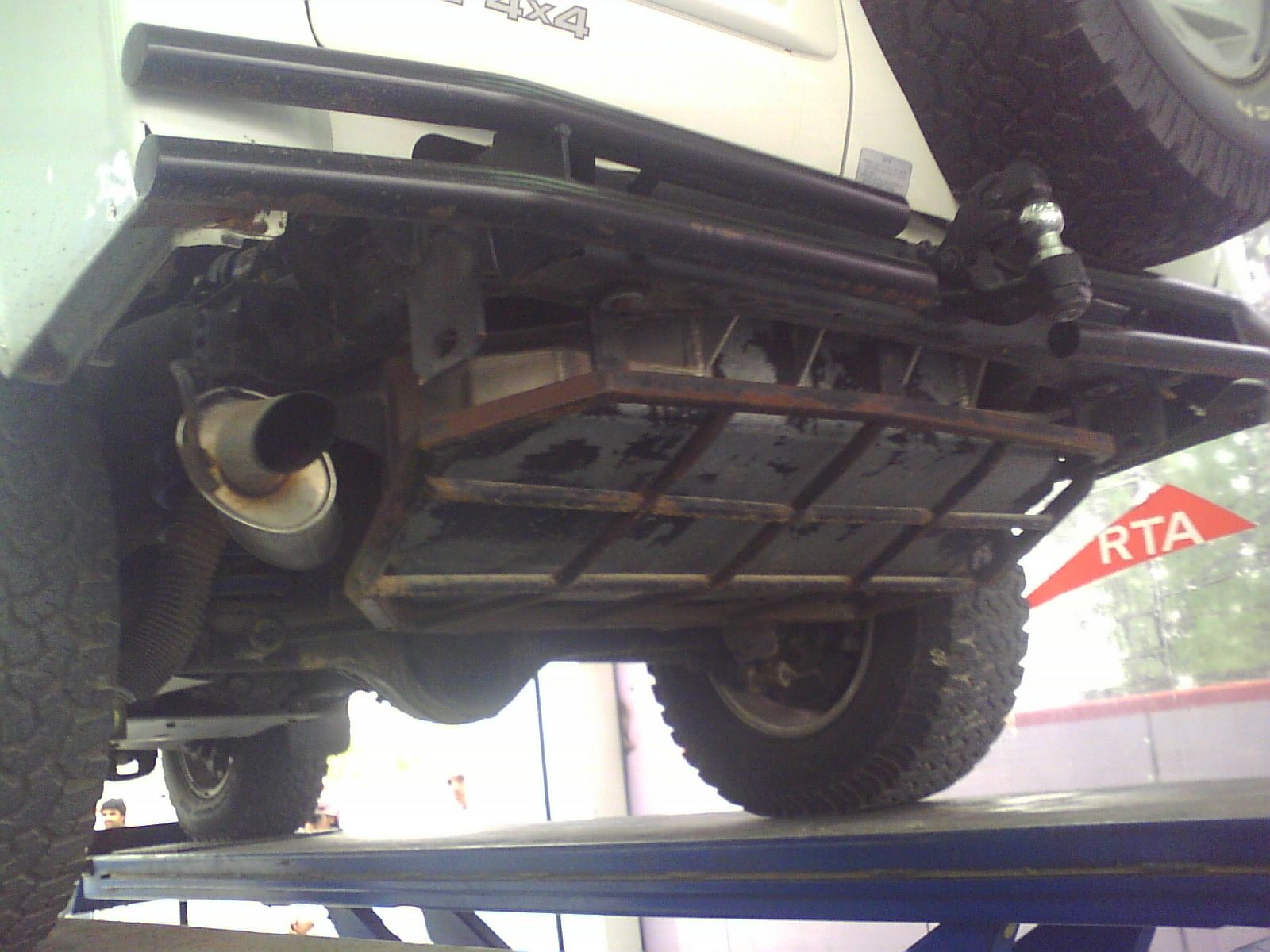
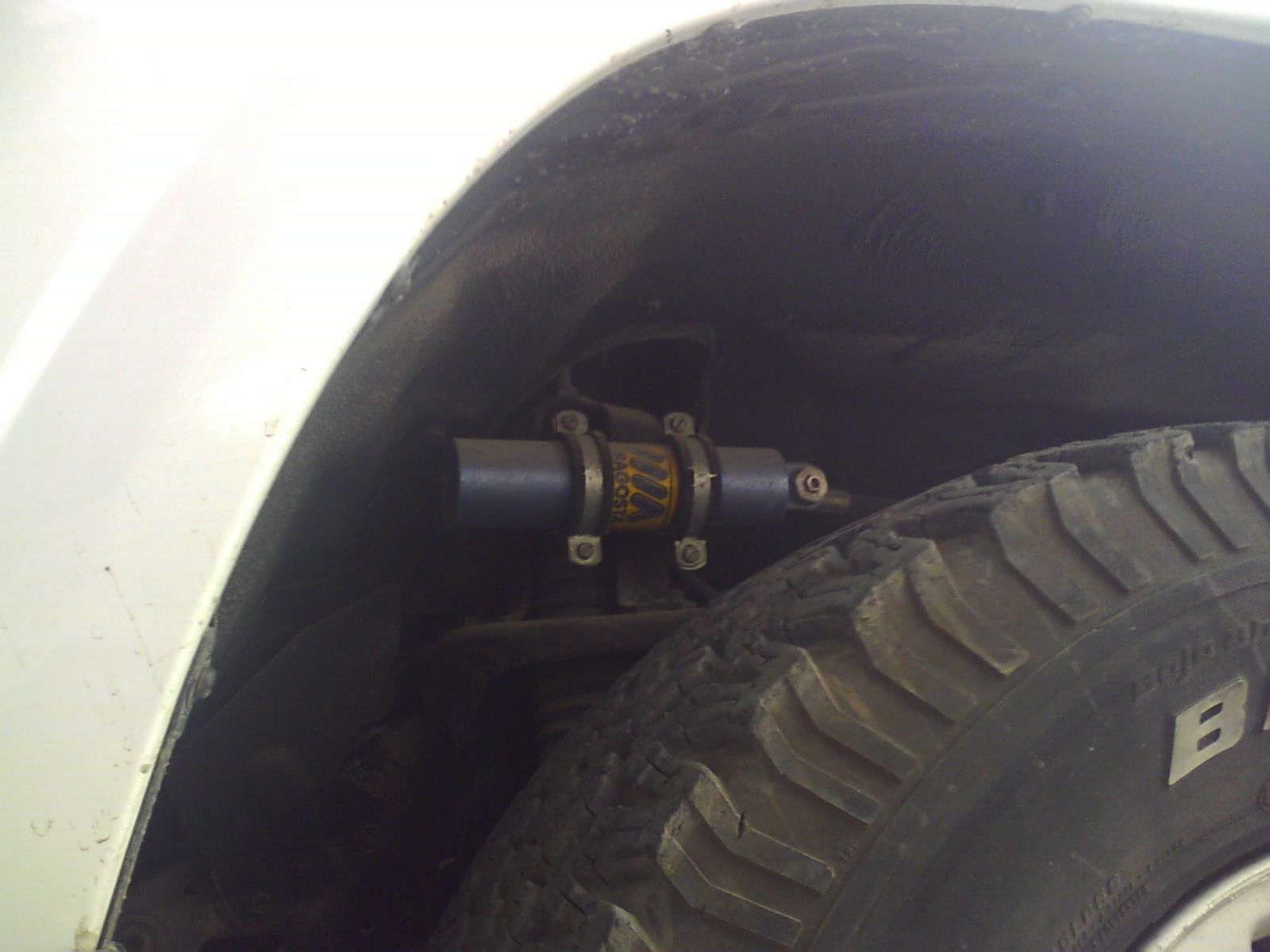
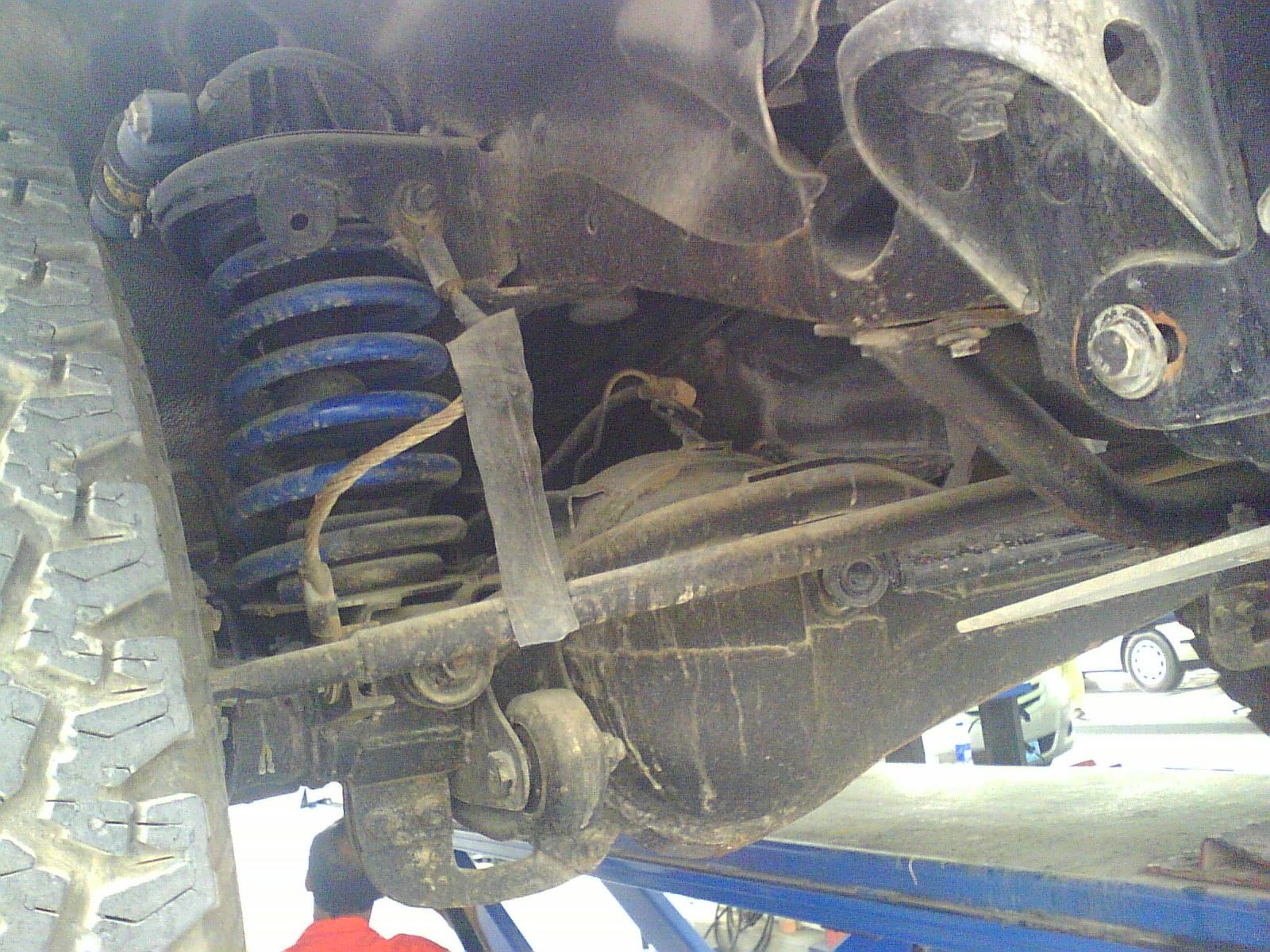
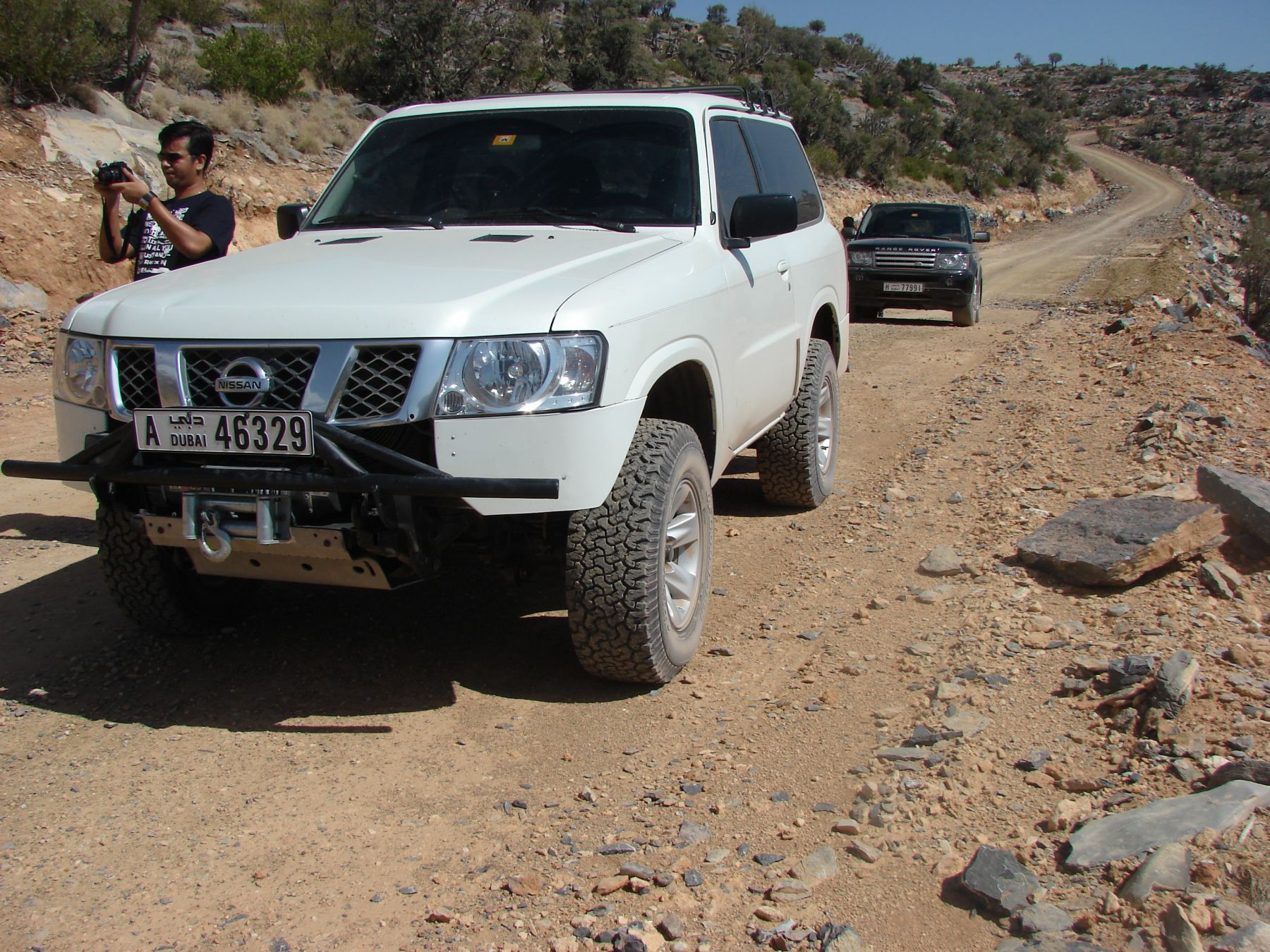
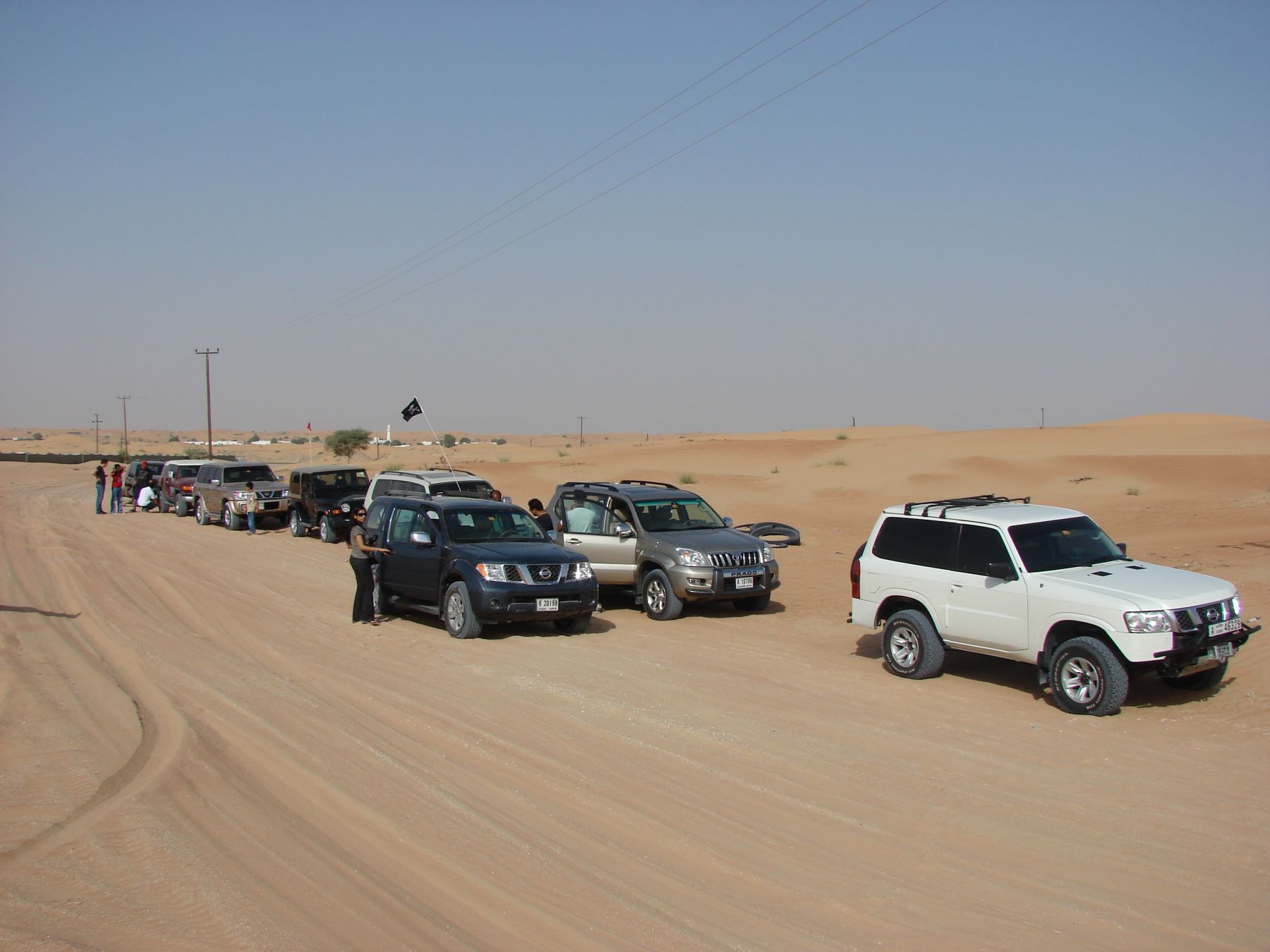
As soon I entered the world of off-roading in Dubai back in 2006 with much awaited Land Cruiser LWB - desert safari special, I realize that it's too heavy for real dune bashing and every convoy used to wait for my refusals and failed attempt. After the first stage of denial, I realized that I need something small and nimble and then my attention got glued to the next King of the desert in Dubai - Nissan Patrol. After a few months of searching, I finally got lucky with the 2006 model Nissan Patrol GL - SWB with the manual gearing. This 4x4 had no "bells and whistle" other than the real grunt of a capable off-roader, but it was a true head turner and it came almost desert ready with Aragosta rally suspension with lift, BF Goodrich tires, Warn winch, and plenty of underbody protection mods. All mods were done very tastefully and still able to pass the RTA test back in those days. I had this Patrol for about 2 years and never spent any extra money other than the regular maintenance. I just had an issue with the front wheel bearing once, so changed it outside the agency under 600-800 dhs. Every time I used to send this car to the agency and was very happy with its performance, looks and reliability. Due to stiffer suspension, it was a pain to drive on the long drives, as I did few Oman visit and came back with a sore back. Nissan Patrol with 4.5 V6 engines in such short body was a killer recipe for any off-road enthusiast's to climb the dunes with zero run-ups with the torque so huge that you can even drag up instantly with even 5 people in the car. It was an amazing 4x4 for self-recovering in almost any worst situation and 1st gear torque was the best friend ever to rock/crawl out of any sticky spots. Being so ready with power delivery and torque it was a true gas guzzler that I could see the fuel gauge needle move during serious pushing. I haven't used to maintain the fuel logs, back in those days but it must be close to 20 L/100 on road in two wheels and close to 30L/100 in 4x4 mode. The first gear for the road was too short, that you will always spin wheels unintentionally if you are in rush, so starting on 2nd was the best option to have a good drag till 40 and then change to 3rd. In off-road first gear was a blessing to go anywhere with zero momentum or climb up sideways and splash sand and still go upward on side slopes - had a crazy power. However, this year model up until 2008 had a known issue with its gearing and downshifting on a long hill climb was a disaster. You can't attack tall dunes in 1st as it was too short that 6-7K rpm will get you 20-30 speed, and downshift from 2nd to 1st you will wait until 2500 rpm so it will again spoil the long hill climbing momentum. It should have allowed downshifting just above 3000 - 3500 band to let continue the momentum and plus without breaking the speed. This issue has been addressed by Nissan after 2009 model and in 4800 VTEC models. As many of my friends and cousins have swapped the gearing of 4500 with 4800 model and were very happy on the long hill climb. There was another known issue for Nissan Patrol I heard was a bent differential due to heavy offroading. Luckily I never had that, as the previous owner has installed good braces under the differential to prevent this from happening. Almost all my friends had their diff bent within 2-3 years of regular off-roading, some got changed in warranty by Arabian Automobile and some left to spend their own hard earn money. If anyone is looking for this year model to buy, then you must check that engine and gear mounts are safe to drive as I have seen few Patrols when you give full gas, engine shake to the right side and can cause some other damage. The second thing to check is the wheel bearing and steering alignment is straight or not as due to offroad jumps and irregular landing this might have been damaged. The third is to check differential is still straight or bent already due to jumps or offroad impacts. Resale value of this beast is always a very big plus point if you maintain it well. I bought this for 80K and sold for 60-65 after little more than 2 years. As it's fun to drive and fun for weekend offroaders so it's always in demand in used car market due to less supply.
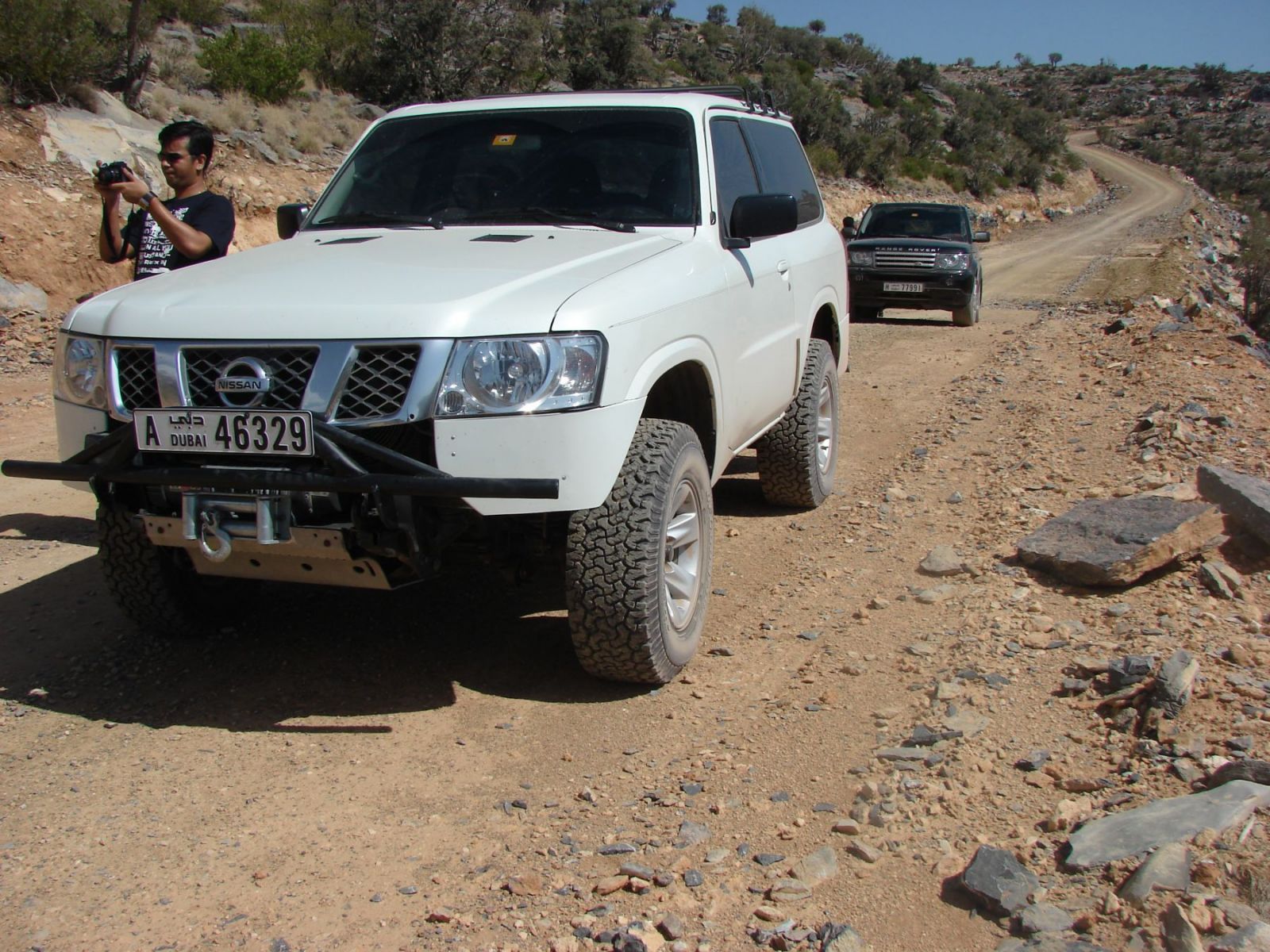
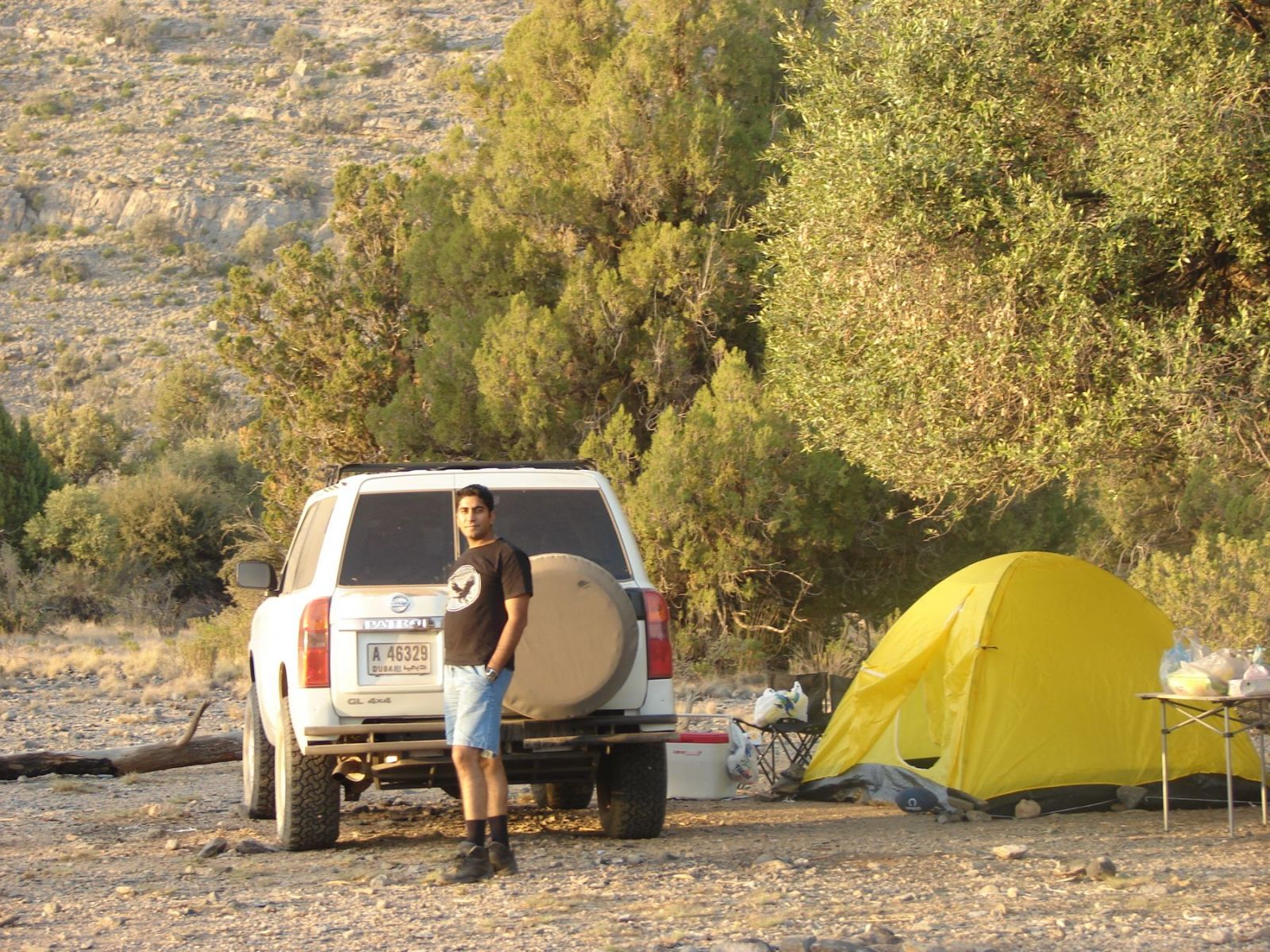
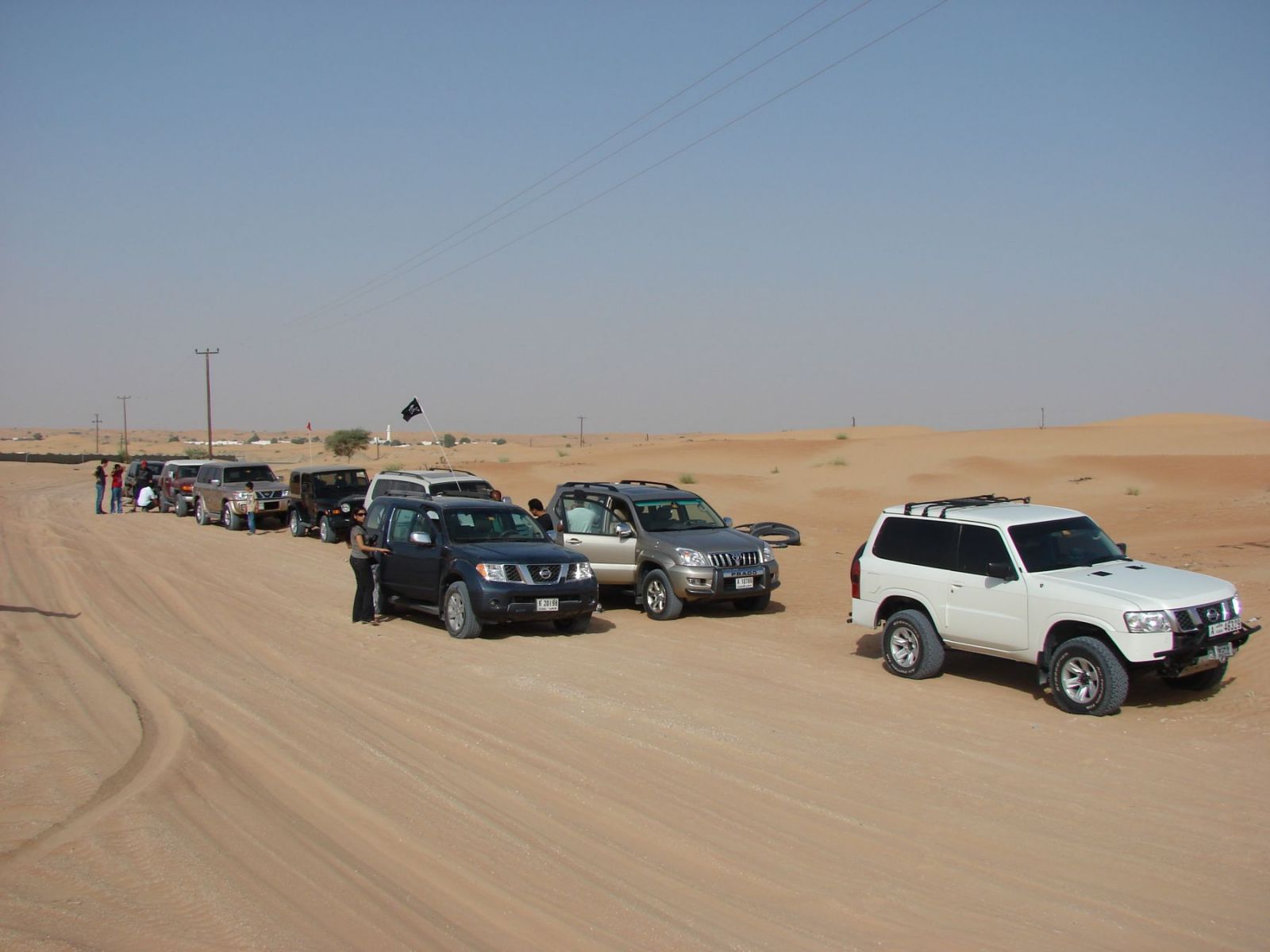
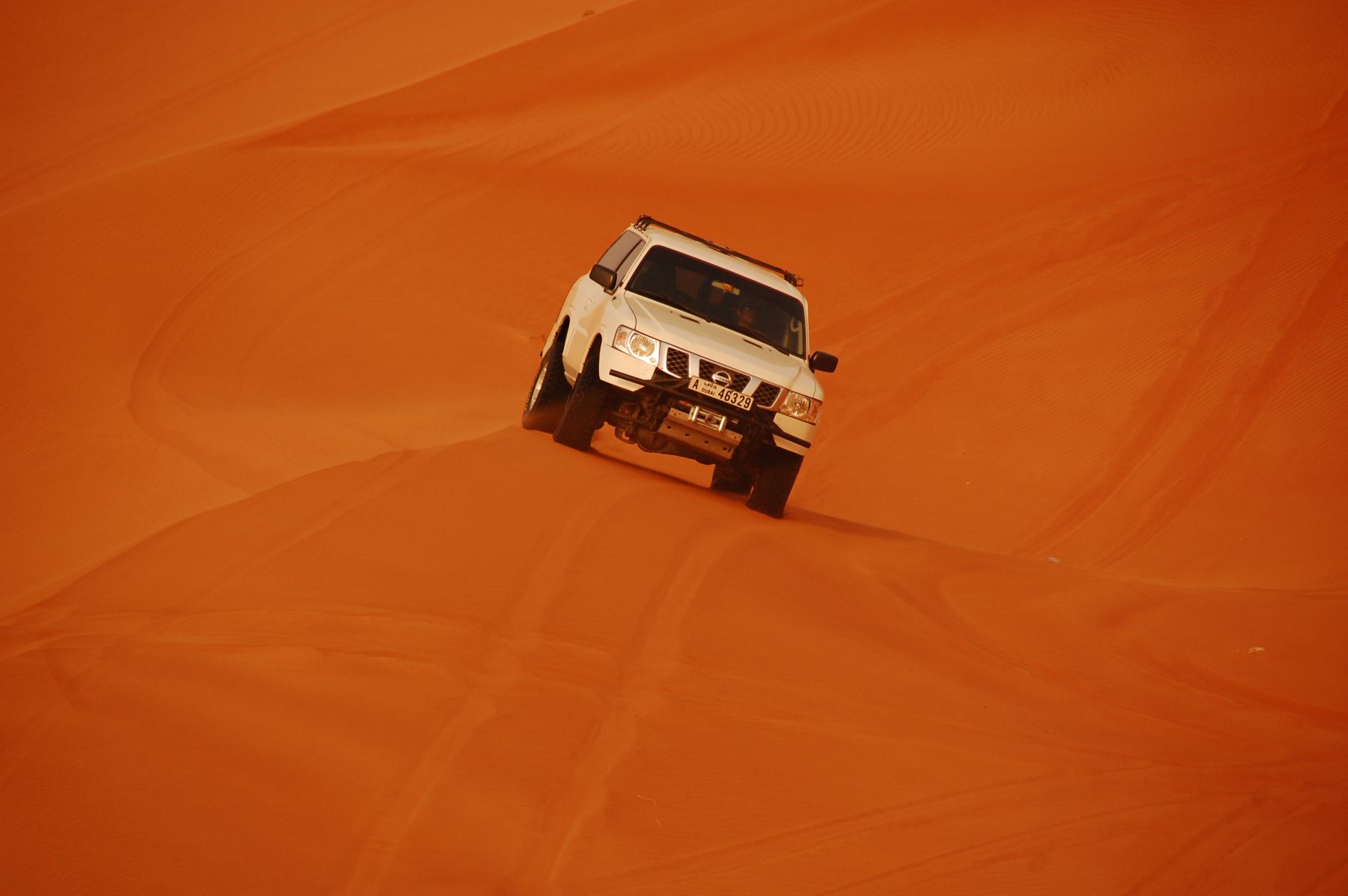
 1 point
 -
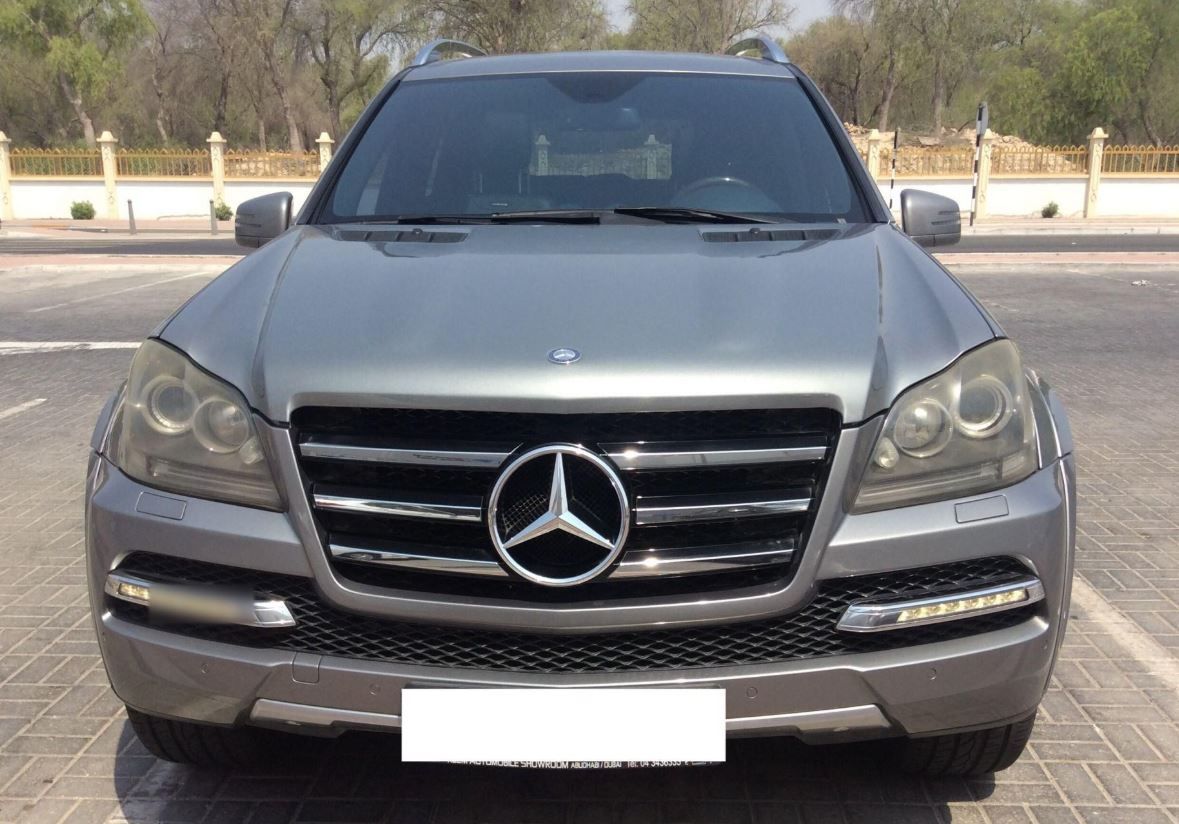
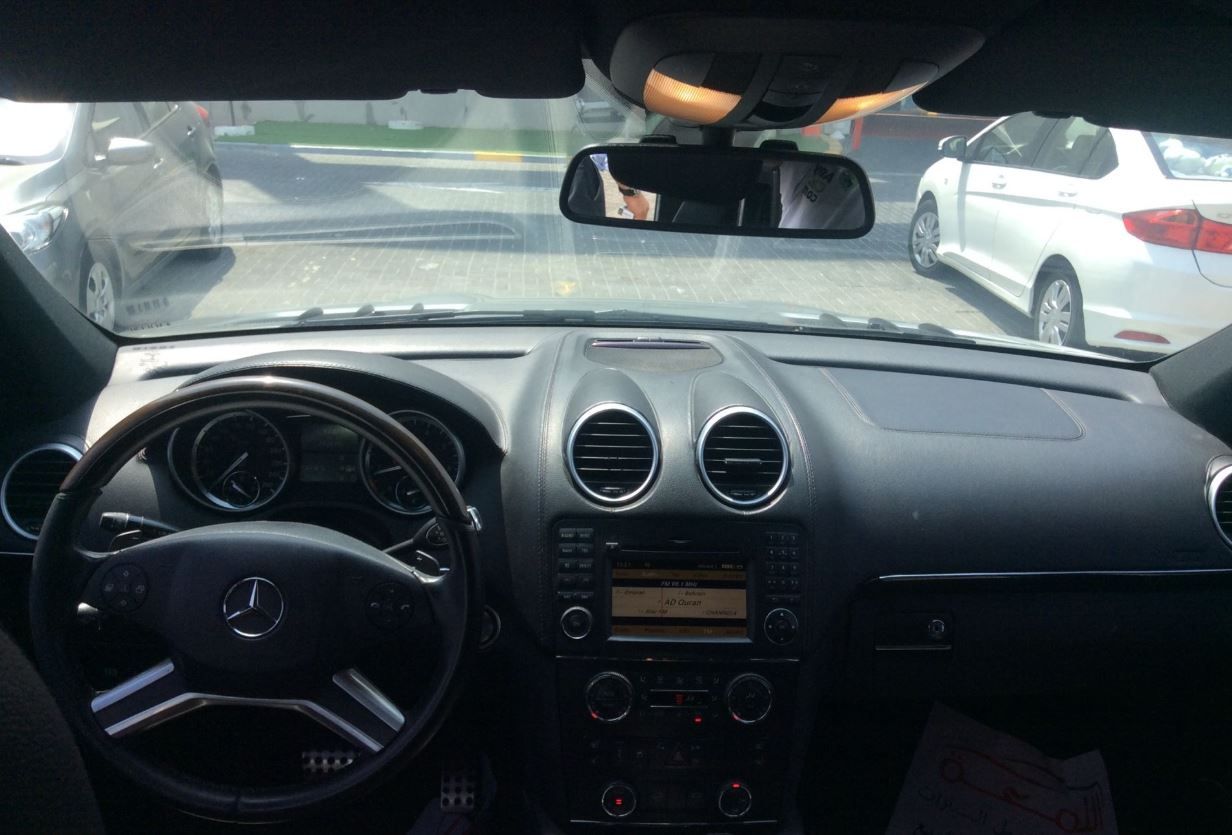
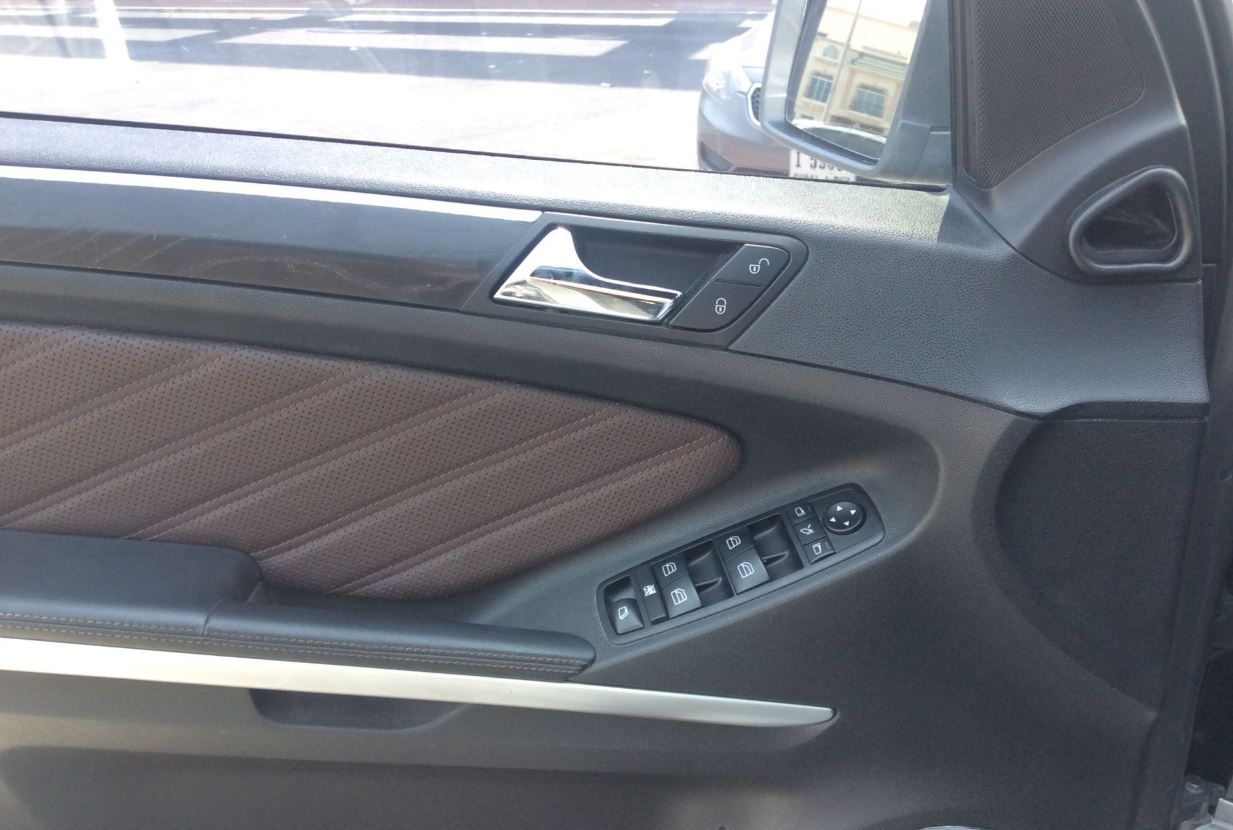
After a lot of research and patience, I bought my first Mercedes ever about two years back - Mercedes Benz GL 500, recently crossed 200k kms last month. I have driven my friend ML500 for a week before buying this and I was completely convinced that I needed such amazing, spacious, and powerful daily driver. Thinking for 5.5 engine it consumes way less than any V6 in the market as Mercedes have done some crazy fuel science and I get around 12-14 L/100 gas mileage with a combine in 30% city + 70% highway. With 382 hp there is no shortage of power and as per internet, it can sprint 0-100 in 7.5 seconds for such huge 4x4. This car has some amazing blend of luxury and ruggedness which make me so happy to own it and I hope I can keep her forever if she continues to behave well in long run. I really love her three-row spacious seating that can accommodate 7 pax without any fuss and noise at the far end. The interior's quite a bit more overtly luxurious, with wood trim and glints of metallic trim; its controls are laid out well, and there are fewer of the tiny, inscrutably labeled switches. GL 500 shifts power through a seven-speed automatic to all four wheels, with an electronic all-wheel-drive system that limits wheelspin through anti-lock braking, a system pioneered on the M-Class, which sometimes I hate too much %^%&^&*. For safety, it has standard curtain airbags, stability control, all-wheel drive, a rearview camera, Bluetooth, Adaptive cruise control and blind-spot monitors etc. For entertainment it has standard power front seats; a power-fold feature for the third-row seat; a glass sunroof over the rear two rows of seats; a COMAND controller for climate, audio and navigation systems; Bluetooth; and an AM/FM/six-DVD changer, navigation system, 610-watt Harman Kardon Logic 7 audio system with surround sound; and a rear-seat DVD entertainment system with twin 8-inch screens and wireless headsets. Things that needed repair or replacement from time to time Air suspension Oil cooler seal leaking ball joints, boots, bushes, moountings etc. Minor electrical issue with music system - no volume sometime Coolant leak due to some burst Battery, tires, wipers etc - regular consumable
 1 point






This leaderboard is set to Dubai/GMT+04:00