
Leaderboard


Popular Content
Showing content with the highest reputation on 02/20/2026 in all areas
-
Tried it. Didn't work... now I need to buy a new set of tires!4 points
-
Calendar is locked. Drive is ON. See you bright and early for briefing. Convoy order attached.
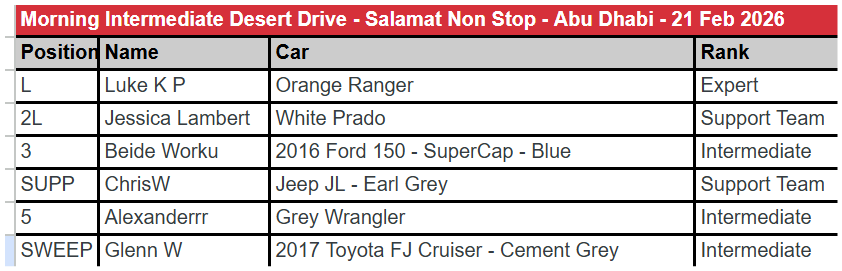
 3 points
 -
Another option is walking around the car, kicking the tires, and proceed inside to go and tell your wife that you might need a new 4x4 in 2026 as there are Ramadan deals ongoing 😆3 points
-
The summary so far (with some AI help): Post-Drive Checks Turn off radio, drive slowly on asphalt, listen for new noises Visual walk-around — check panels, tyres, underneath the car Look at garage floor for slow leaks Washing Full underbody wash only monthly to quarterly, not after every drive Blow out engine bay with compressed air — avoid pressure washing near seals Regular exterior wash weekly or biweekly Engine Oil & Filters Oil changes well before manufacturer intervals: every 5,000–7,000 km with full synthetic Air filters cleaned every 10 days to 2 weeks, replaced every 10k km or at each service Transmission, Diff & Transfer Case Fluids Some halve the recommended intervals (Andrew, ChrisW) Others stick to manufacturer schedule if not driving aggressively (Frederic) Wheel Alignment Every 1–2 months — desert driving knocks it out fast Bolt Checks Periodically retighten beadlocks, sway bar bolts, light mounts, and other known loose points Pre-Drive Essentials Check engine oil and coolant levels before every drive Monitor engine and transmission temperature gauges throughout the drive Agency vs. Independent Garages Agency preferred for warranty and reliability (Luke) Trusted garages for older vehicles (Frederic) Mix depending on the job — "trust no one, verify everything" (ChrisW) General Advice Halve on-road service intervals for off-road use Walk through the underside with your mechanic when it's on the ramp Avoid hard drives in summer to prevent overheating Catch problems early by being consistent with checks3 points
-
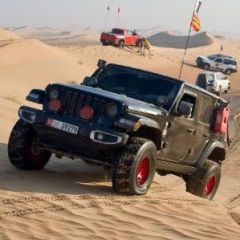
Live scenes from in my Jeep
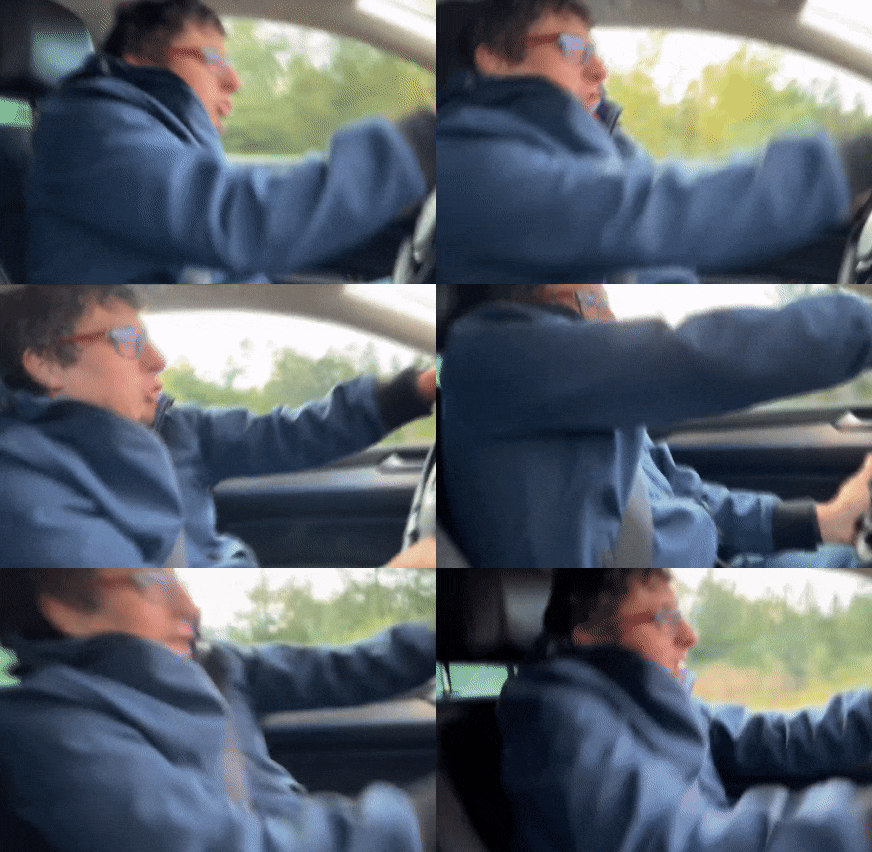 2 points
 -
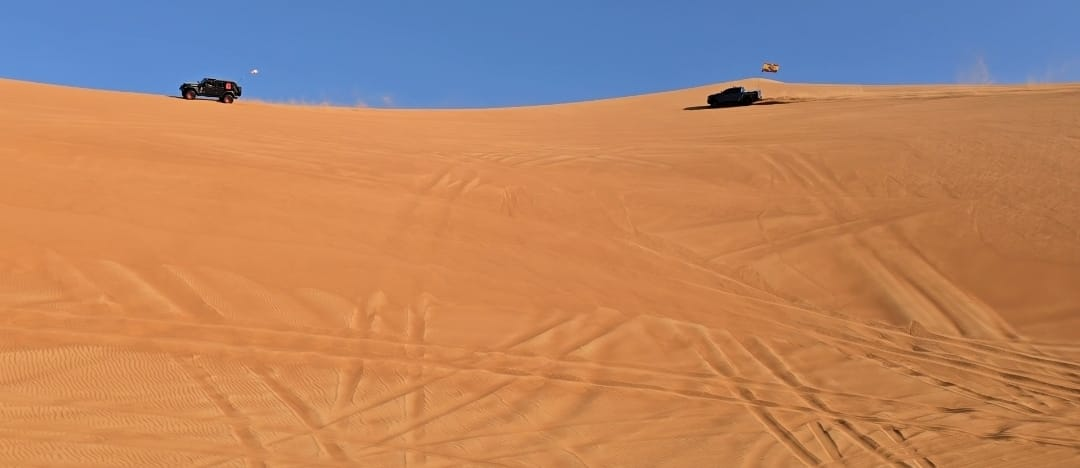
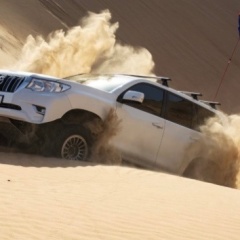
Bad day to be a sand-dune!2 points
-
Short and fast convoy, the poor dunes and bowls are going to suffer!2 points
-
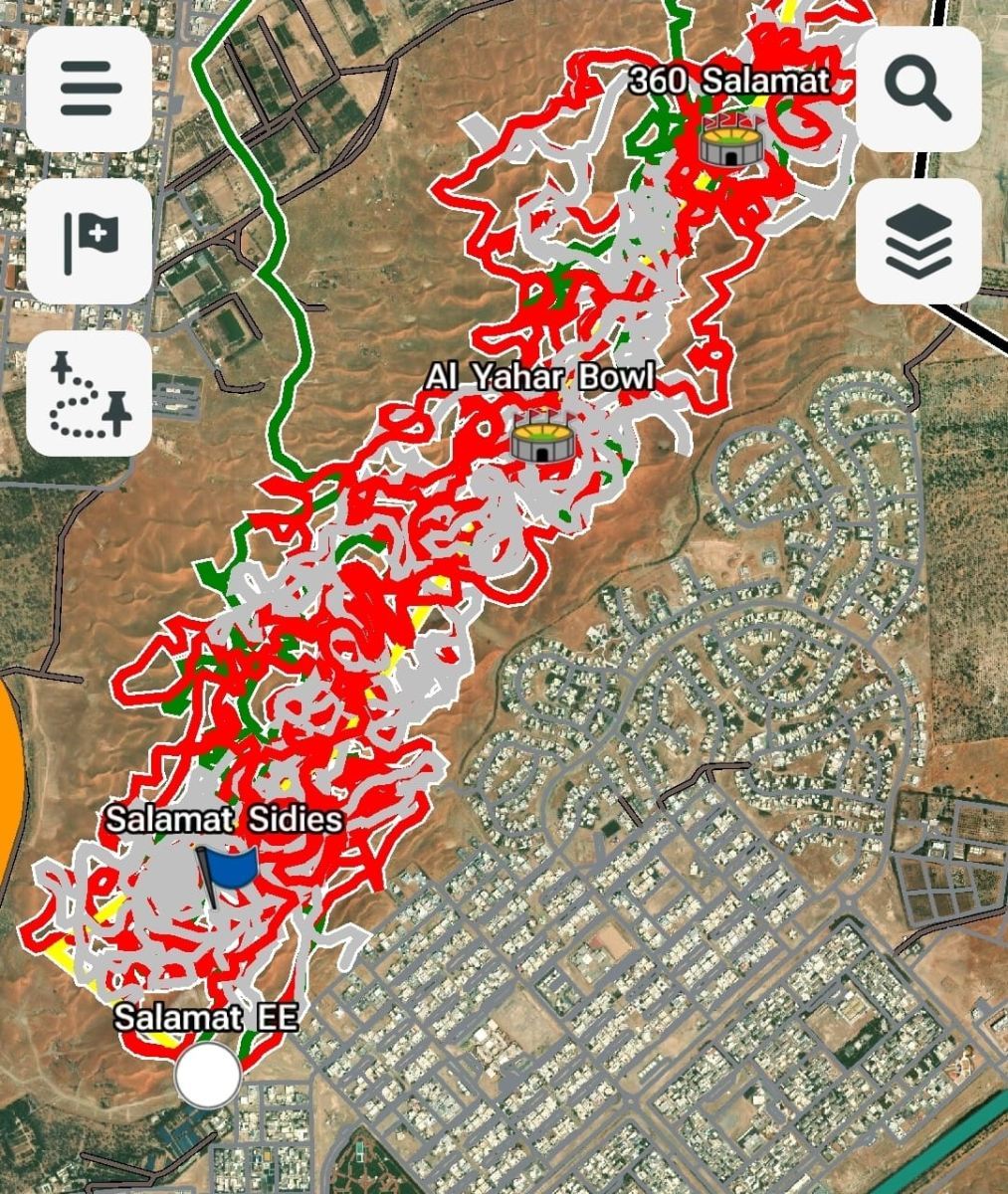
DRIVE DESCRIPTION We will drive through, around, and over Salamat. If there is sand, we will drive over it. No Refusals. No Stucks. No Radio Chatter. No Breaks. I'm joking about the breaks, we will def have some pauses for tea. If you've done a FB+ with me in Salamat, it will be similar, but faster. MUST READ AND COMPLY Environmental Policy Offroad Flag Guideline Two Way Radio Guideline Off road Driving Etiquette's Emergency details for all off-roaders Off Road Driving - Roles & Responsibilities DRIVE DETAILS Level: Intermediate and above Meeting time: 07:00 (SHARP - Without any exceptions) Meeting Point: https://maps.app.goo.gl/BBCirNtGrUkc5T9N9 Type of Car: Any proper 4x4 with front and back tow hooks and 8-10 inches of ground clearance. What to bring along: Loads of water, snacks (for yourself), smiles, face mask, rubber gloves, enthusiasm and willingness to learn. Approximate finish time: 10:30 am P.S. Only join if you have a compressor to inflate your tires after the drive. LIMITED SPOTS AVAILABLE This drive is limited to 5 cars only. RSVP will close on Friday - 12:00. If the RSVP is full, you can add your name to the waitlist, once someone drops, you will be moved to the RSVP list. RSVP will close a day prior to preparing a convoy list. Latecomers will be returned back - Without any exceptions. Members without RSVP will be returned back - Without any exceptions. Please withdraw your RSVP, if you aren't joining, so your spot can be taken by others. Repeated no-show members after RSVP will have their account suspended for a month RSVP HERE BELOW
 1 point
 -
Hi @Luke K P I'm 50/50 at the moment if I can join tomorrow or not. I’ve got work commitments tonight and I’m not sure what time I’m going to get done. So I’ll keep you posted if that’s ok.1 point
-
Congratulations @Sebastian Nohse for reaching the Fewbie Level with Carnity Offroad Club. Looking forward to seeing you growing further and helping others to learn the art of offroading in a safe environment. Please make sure your Carnity user profile is always updated with all the latest Emergency contact details. P.S. Trip lead might deny your participation if you don't have required off-road gear. FEWBIE Drives Attended (Indicative) Minimum 5 Newbie drives are required within last 3 months for Fewbie promotion. What you'll learn Basic dune and sand reading Self-recovery techniques Shoveling at right place Crawling out of difficult situations Blip Blip - Coordinate steering and gas control Basic side sloping and hill climb Basic ridge riding and criss crossing Basic control over technical dunes Slightly faster pace desert driving Ability to manage stuck/refusals with radio Learn to control and avoid fishtailing Never fight or challenge gravity Skills required Enthusiastic and positive attitude Willingness to learn and help others Presence of mind and attention to detail Car Worthiness Any 4x4 vehicle with low range gearing Suitable approach and departure angle Off-road gear required Safety flag, tire deflator, tire pressure gauge, shovel, fire extinguisher, medical kit, radio (walkie-talkie), air compressor. Drive teamwork Manage second lead and sweep positions upon request Intuitive and proactive to support Trip Lead Observe recoveries and offer help, when needed Drive Joining Join Newbie and Fewbie drives Forum participation Active participation on the forum Share drive experience + feedback Share drive pictures in the gallery Post trip report after the drive1 point
-
Congratulations @Sebastian Nohse!1 point
-
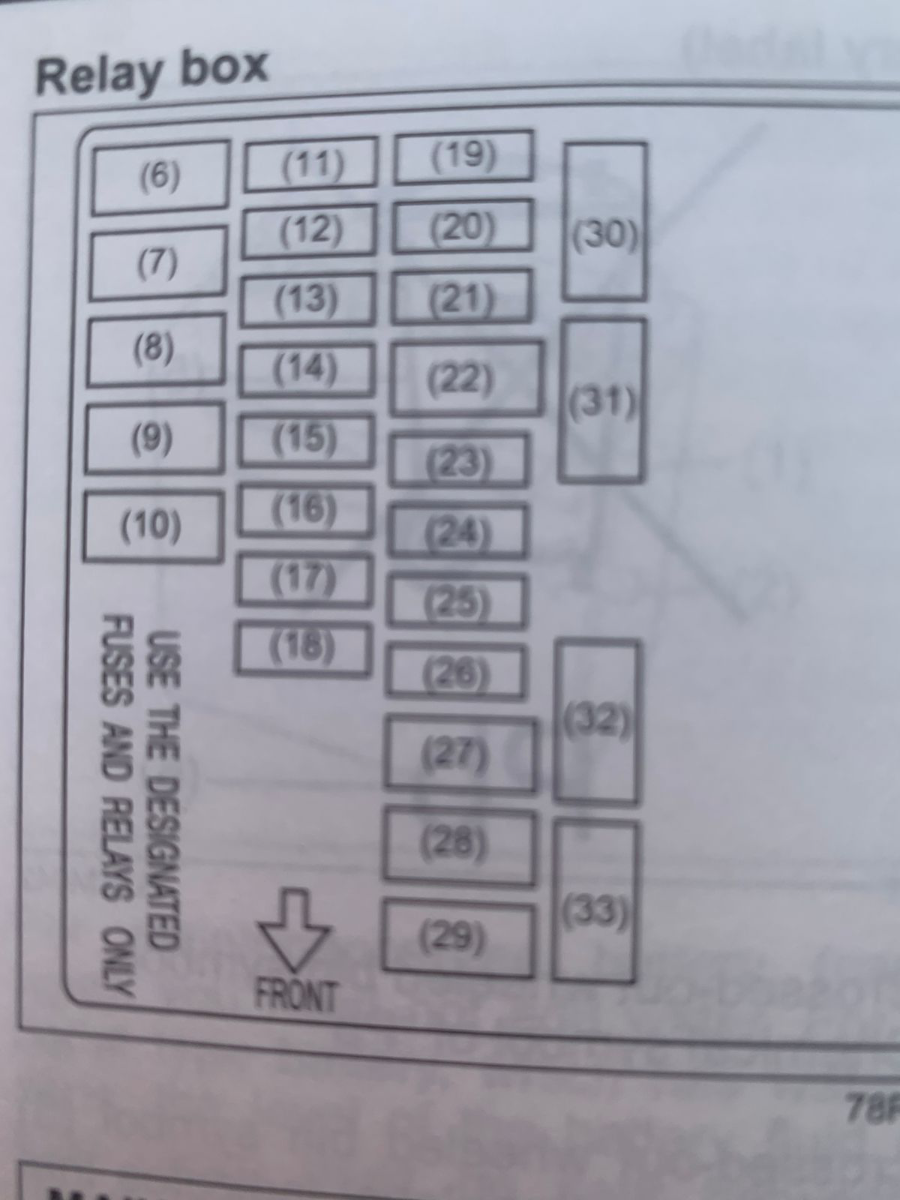
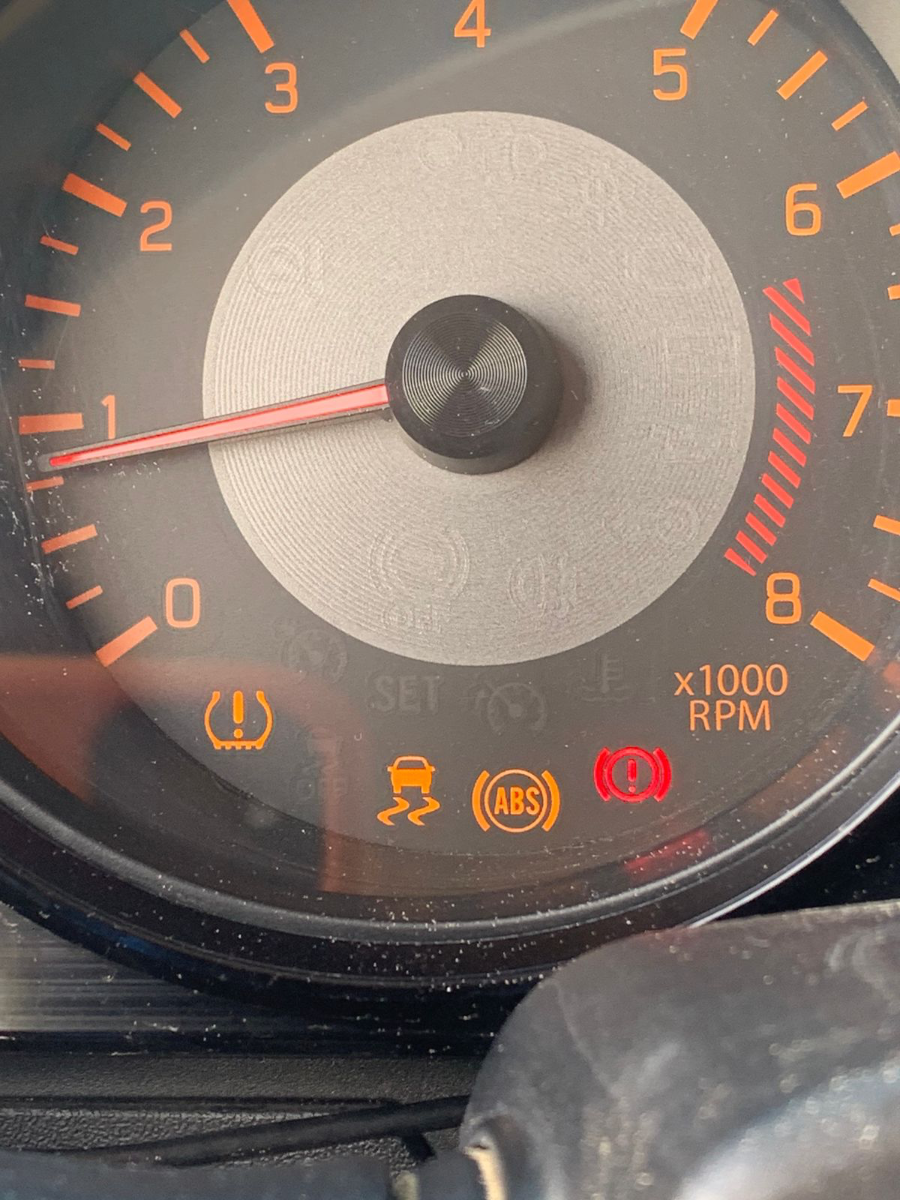
The standard Jimny traction control switch only works below speeds of 30kph, above that traction control comes on again. In 4L it is permanently off. So a kill switch is needed, at the time of writing a killswitch is about AED 200, or you can pull the fuse. To pull the ABS motor fuse. The fuse box is in front of the battery, Pull the purple 40A fuse, it is 2nd from the top left (position 7) on the dashboard 3 lights will come on Handbrake, ETS And ABS.
 1 point
 -
I have to skip this one 😕1 point
-
Ramadan Kareem! Tomorrow we take on the fun task of breaking every single ridge and leaving tyre marks on every face of every dune at al Ain 😁 Please remove your RSVP it looks like you cannot make it. I will post the convoy order tonight, and we will be radio channel 'lucky number 8' (Since it is Chinese New Year we will stick to lucky numbers) 446-181 @Aser @ChrisW @Jessica Lambert @Glenn W @Alexanderrr @Beide Worku1 point
-
Yes mate glad your coming!1 point
-
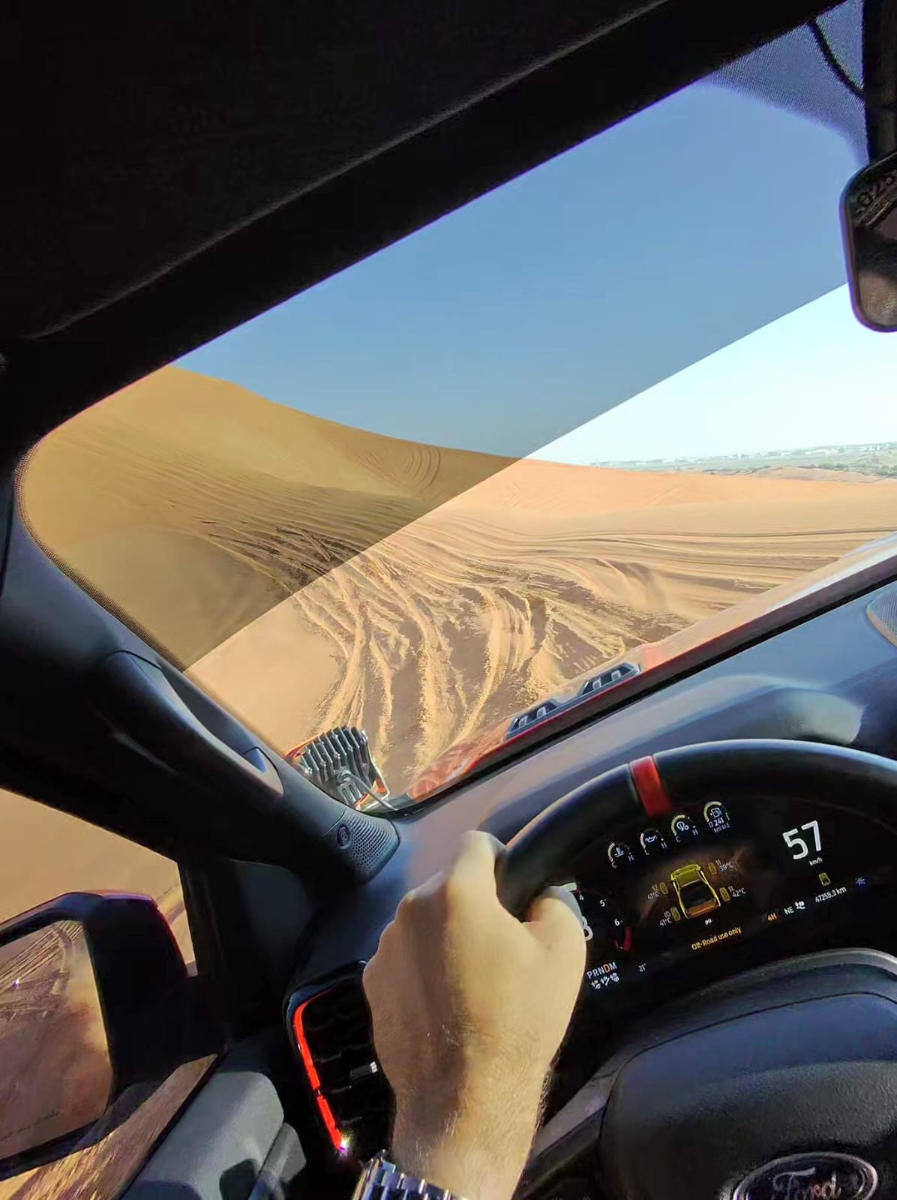
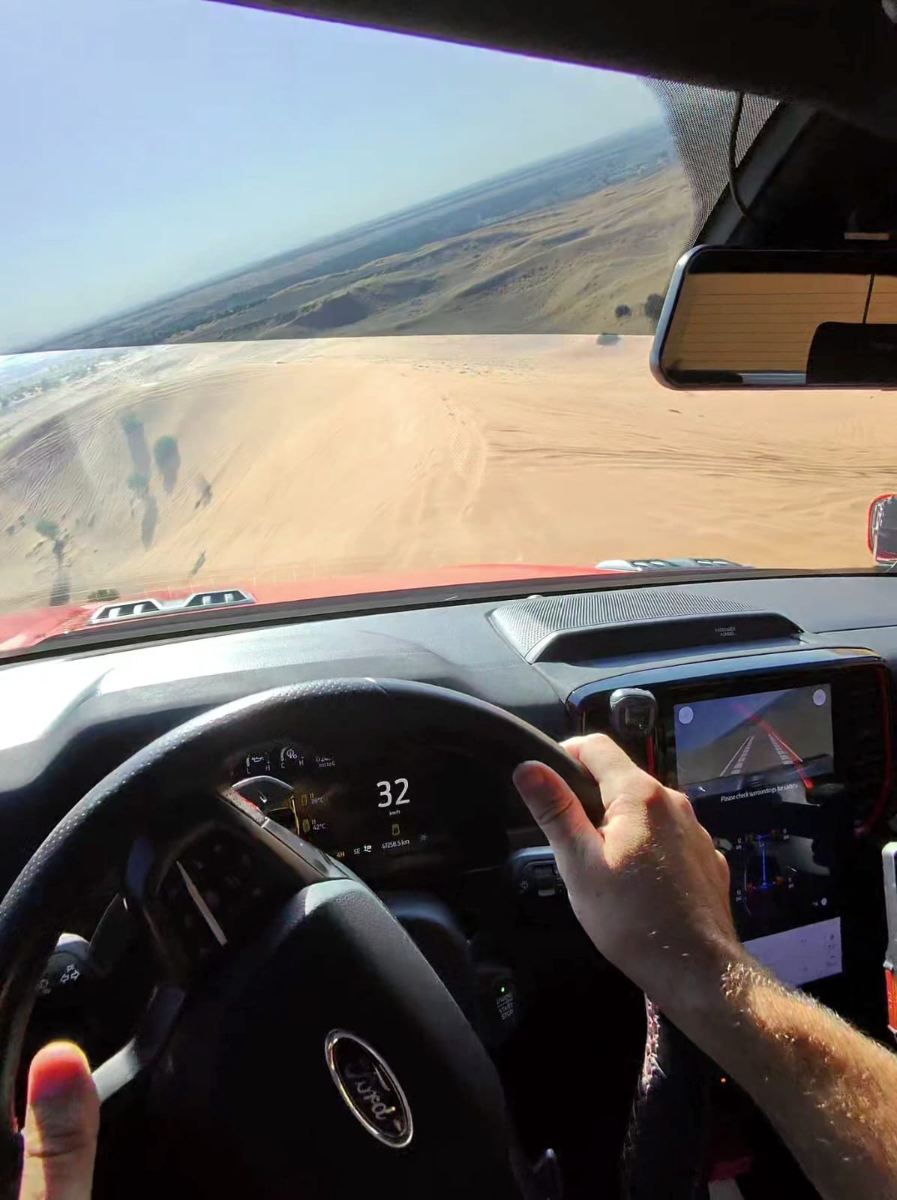
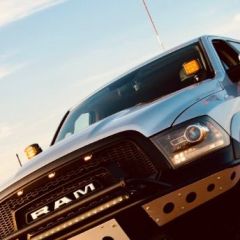
BIG TERRAIN APPETISERS
 1 point
 -
Looking forward to this drive, some great number of trucks lined up already. 😎1 point
-
No one can stop me chattering SORRY.1 point



This leaderboard is set to Dubai/GMT+04:00