
Leaderboard


Popular Content
Showing content with the highest reputation on 07/17/2019 in all areas
-
Congratulations @shadow79 for reaching the Intermediate level with Carnity Offroad club. Welcome back to offroad after a long gap, hope you have missed the sand enough, to continue now without any breaks. As per your few years of offroad experience with all of senior members here and as per your last refresher drive, you have shown adequate skills and behavior for well deserving this new offroad rank. Looking forward to seeing you growing further and helping others to learn the art of offroading in a safe environment. Keep up your great contribution on the forum and get socially involved in the newbie and fewbie drives to impart your knowledge. Once you have all the required gear, you are most welcome to join the intermediate level drives with Carnity offroad club. Intermediate: Number of drives 10 (26 regular drives) Level of drives Willingness to learn + Enthusiasm + Basic dune & sand reading Off-road gear Flag, deflator, tire gauge, shovel, fire extinguisher, medical kit, radio, compressor, tool kit, tow rope (recommended) Drive teamwork Help in recoveries under Marshal / Crew supervision Drive posting/joining Join newbie, fewbie & intermediate level of drives only Forum participation Active participation on forum. Share drive experience + feedback on forum and pictures in gallery + drive and route suggestions Social media sharing & inviting friends & family to join offroad club is recommended for faster upgrades at all levels.4 points
-
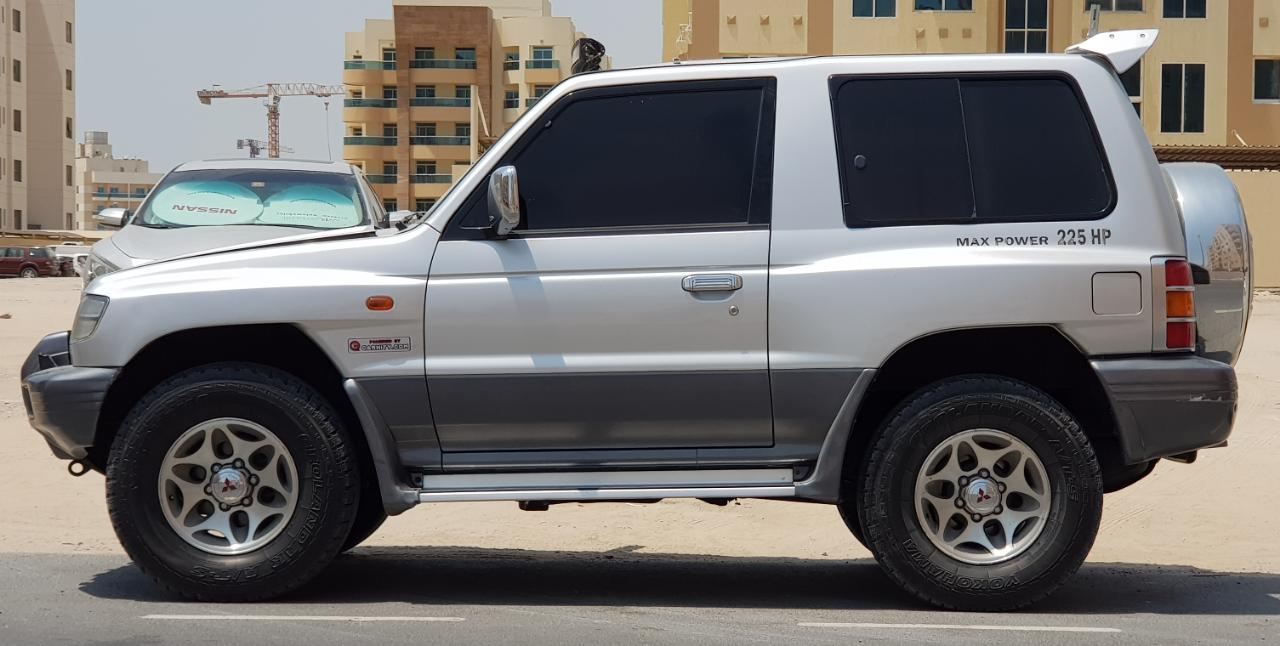
Hahaha, It's not so bad to change drive style just little bit stiff even on comfort settings. On the contrary this heavy duty rear springs + fully stretched shocks (i guess) eating bumps like tarmac. Tried few hard run on rough patches and didn't feel a thing.
 4 points
 -
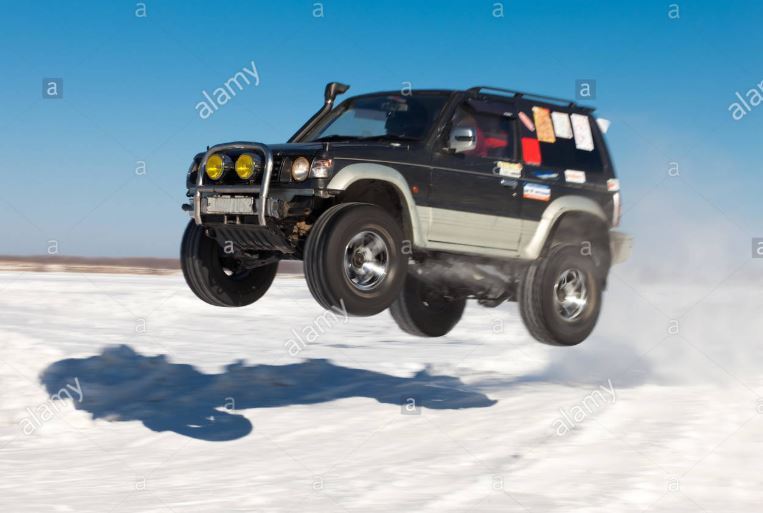
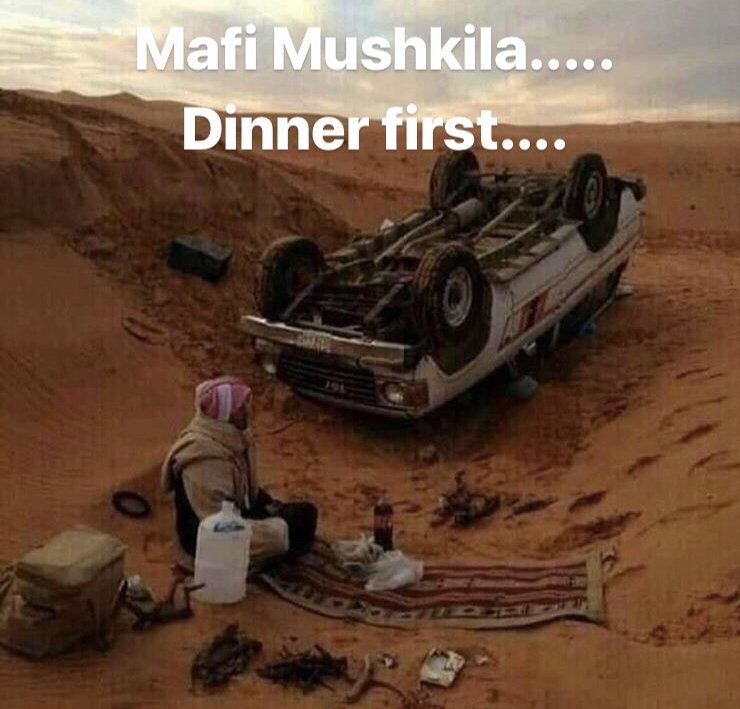
This is what we might see between Murqab and Lisaili coming weekend 😂
 4 points
 -
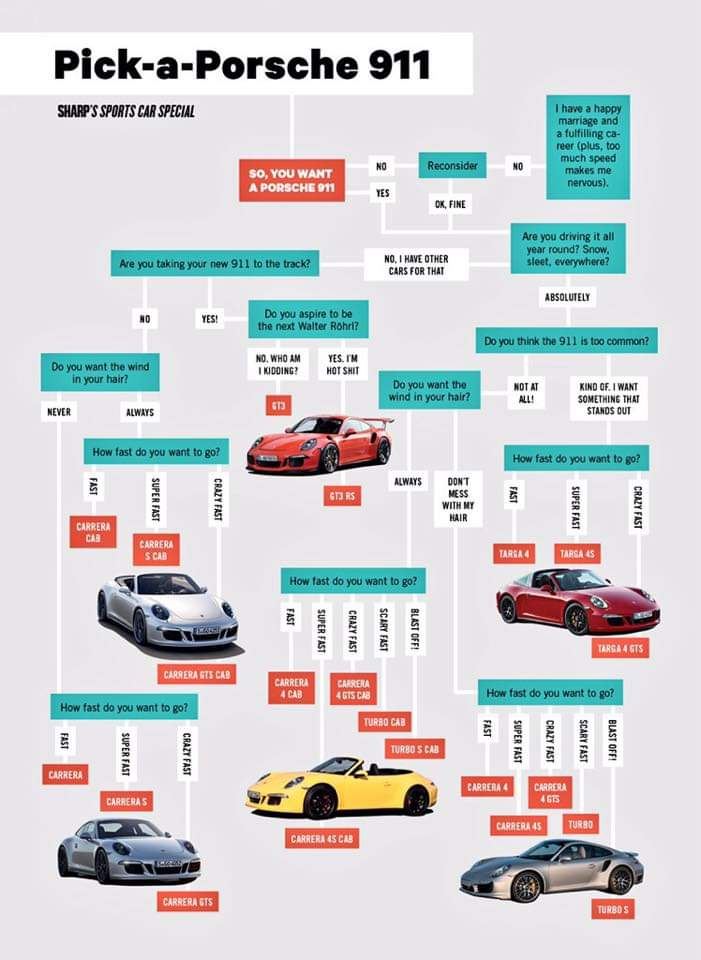
Just pick any porsche. They all look the same4 points
-
Congrats @shadow79. Hope to see you more often with more responsible driving.3 points
-
This is how my trailing arm bushing looked like, and the clunking sound on speed bumps was really bad. On top of that the car was driving very "wonky" and unstable: While the arm is removed, best to do the other bushings also. @shadow79 did both trailing arms with aftermarket bushings, and the difference is night and day.
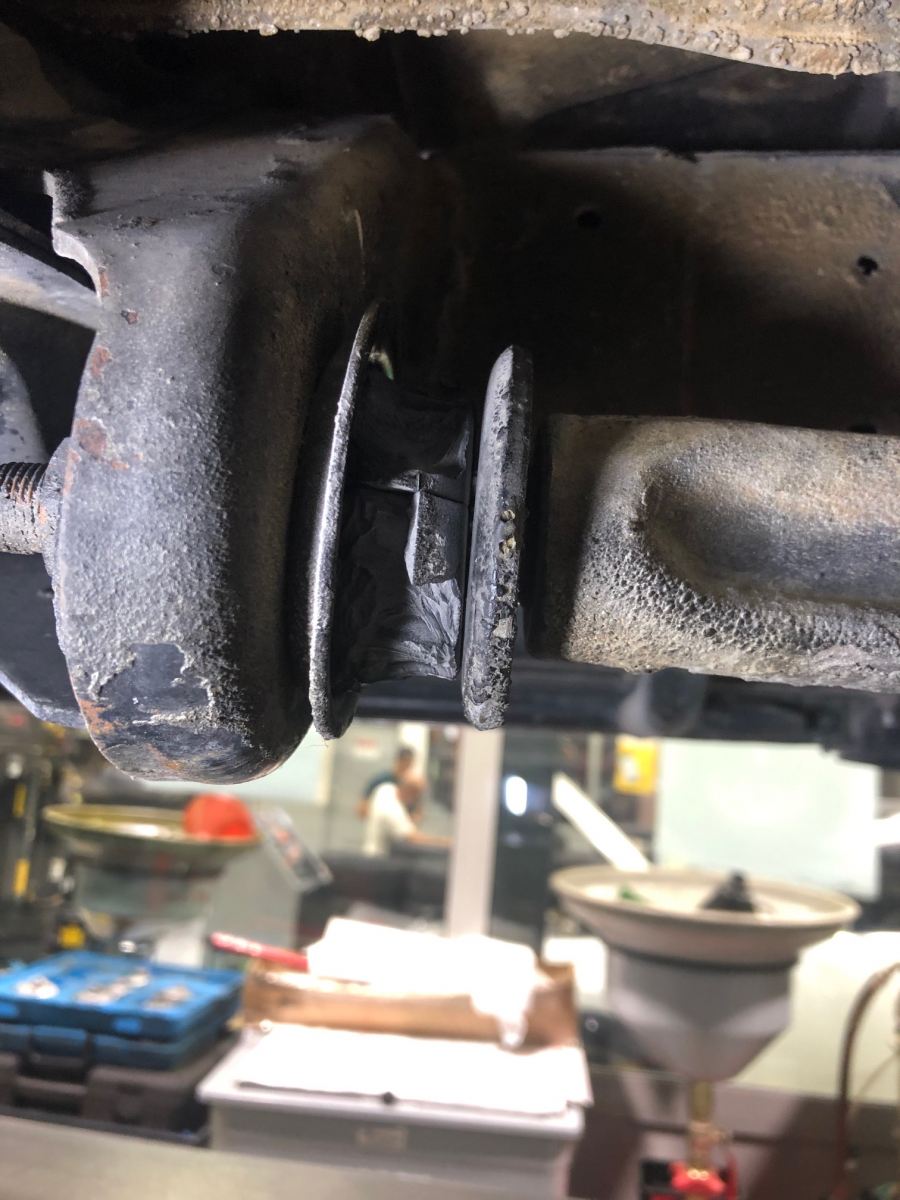 3 points
 -
if the noise and jerks comes while accelerating, then most likely it would be rear differential bushing. As the bush gets worse you would start hearing the clunk noise on every bump, but that would take a while as you are using the vehicle mainly for onroad purpose.3 points
-
3 points
-
3 points
-
Working on responsible driving bhai2 points
-
Congrats buddy !!!2 points
-
Thanks to board of directors and everyone involved....2 points
-
If there is sound plus light jurks felt on steering while accelerating or breaking then it also could be the front arms The sound diagnosis is really a pain Sometimes all the bushes are cracked and yet the customer asks to only get the one which is making that particular sound while others are gonna fall apart anyway...2 points
-
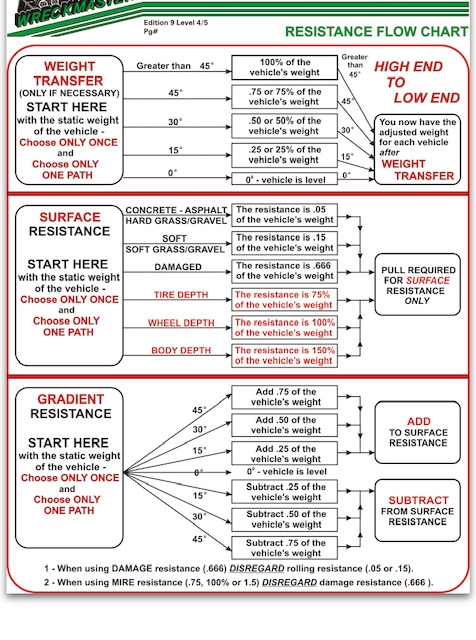
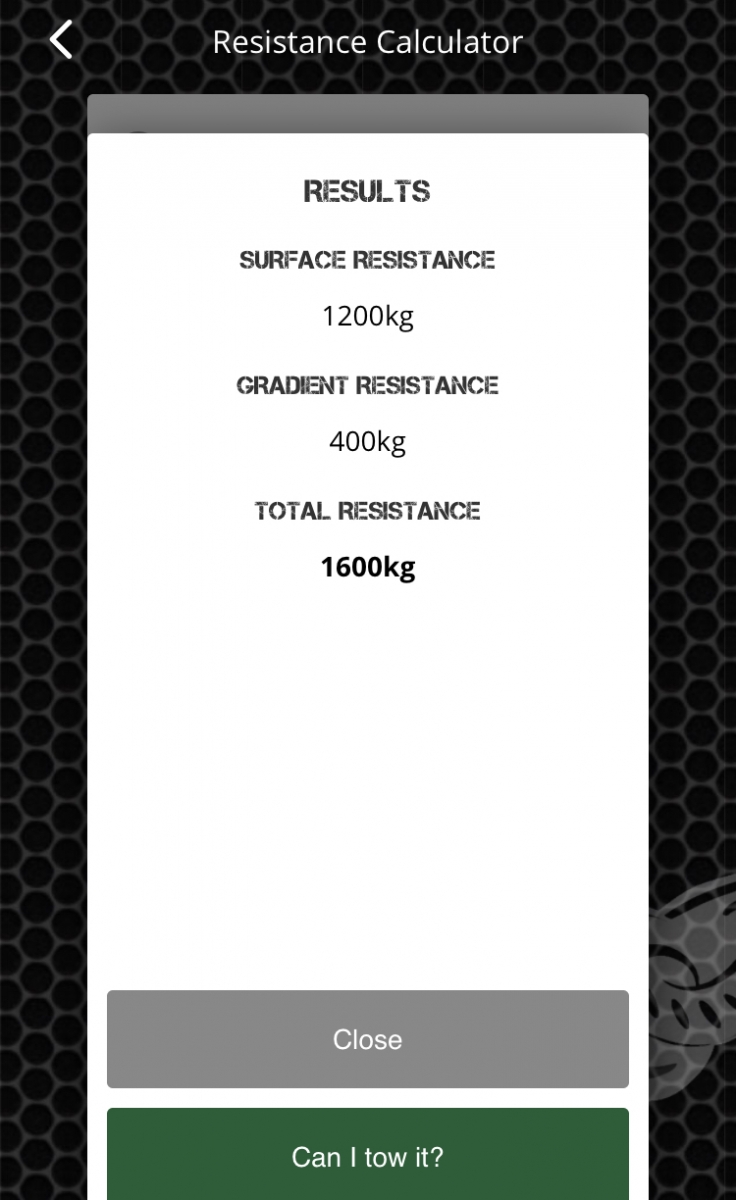
As we sometimes involve in off-road recoveries, i wanted to have a look at what the loads are when doing tows or recoveries in the desert with our vehicles. After all, we are all committed in working safely, and if i can speak for the Off-road club we constantly look at improving things as we should learn and keep learning. The biggest source of information on this topic can be found on the forums of companies and people who are working in the recovery and towing of heavy vehicles on the highways such as trailers, trucks, boats, and others. But the same calculation can be used for towing / recovering in the desert and is a good guideline to quickly calculate the TOTAL LOAD that will be involved before starting the recovery. The most important thing to calculate is the resistance of the vehicle to be towed. It is a well known rule that to pull a vehicle on asphalt, you only need to apply 5% of the total weight to move that vehicle. So for example if you'd push a Pajero SWB of 1600 kg on the road, it would take you 80kg to get it rolling. As you can probably imagine, the surface resistance is totally different on sand, and even worse when the wheels are buried in, and much worse if the car needs to be towed uphill. This is called the gradient resistance. What is resistance? Resistance is the amount of force required to move an object, given its condition and environment. It's written as a percentage of the weight that is being moved, which may be less than or more than the object's weight, depending upon conditions. That's because different surface environments, the condition of the load and the casualty, and terrain can increase or decrease resistance. Is the casualty stuck in mud? Do you have to move the casualty up hill? Both of these situations will increase the resistance to your efforts, and thus increase the amount of force you'll have to apply. So below the article i found that explains resistance: PS Disclaimer this article is taken from the certified training courses of Wreckmaster.com. I cannot take personal responsibility for the accuracy. There are 4 types of resistance encountered in our industry. ROLLING RESISTANCE MIRE RESISTANCE GRADIENT RESISTANCE DAMAGE RESISTANCE What is rolling resistance? Rolling resistance is the force it takes to move a rolling object, such as a wheel. (Remember when you were a kid and you coasted your bike down a hill? Eventually you'd slow down—and that's because of the forces that contribute to rolling resistance.) Forces that affect rolling resistance include deformation of the wheels, the surface the object is rolling on, wheel diameter, speed, and the load on the wheel. In the towing industry, we refer to a vehicle as either "rolling hard" or "rolling soft." A vehicle is considered "rolling hard" if it's sitting on a hard, flat, level surface such as concrete and has all of its tires inflated, wheels rolling freely, and its transmission in neutral. It requires 5% of the casualty's total weight to move something that's rolling hard. A vehicle is "rolling soft" if it's on a soft surface such as grass or gravel. It takes more force to move an object that's rolling soft—15% of the total weight of the casualty. TOTAL WEIGHT x 0.05 = "ROLLING HARD" RESISTANCE TOTAL WEIGHT x 0.15 = "ROLLING SOFT" RESISTANCE What is mire resistance? Mire resistance is created when a wheel or load is sunk into the dirt, gravel, mud, sand or other soft surface. The deeper it's sunk, the more force you'll need to move it. If it's sunk up to the lower part of the wheel ("tire mire"), you'll add an amount of force that's equal to 75% of the casualty's weight. If it's sunk up to the bottom of the wheel rims ("wheel mire"), add 100% of the casualty's weight. If it's sunk up to its body ("body mire"), add 150% of the casualty's weight. TOTAL WEIGHT x 0.75 = "TIRE MIRE" RESISTANCE TOTAL WEIGHT x 1.0 = "WHEEL MIRE" RESISTANCE TOTAL WEIGHT x 1.5 = "BODY MIRE" RESISTANCE What is gradient resistance? Gradient resistance is the force created by gravity when moving a load up or down a grade. It must be added or subtracted from the total surface resistance. Add it when you're moving the object uphill, and subtract it when you're moving the object downhill. TOTAL WEIGHT x 0.25 = RESISTANCE AT GRADIENT OF 15° TOTAL WEIGHT x 0.50 = RESISTANCE AT GRADIENT OF 30° TOTAL WEIGHT x 0.75 = RESISTANCE AT GRADIENT OF 45° What is damage resistance? Damage resistance is the force that resists the movement when the rolling object is damaged, for example, the wheels won't turn freely or the object has missing wheels. Damage resistance is always calculated at the same rate, regardless of surface conditions. It is two-thirds of the total weight of the object you're moving. TOTAL WEIGHT x 0.666 = DAMAGE RESISTANCE Using all the calculations above, we can calculate the total resistance required to move the casualty. HOW TO CALCULATE TOTAL RESISTANCE 1. Figure out the static weight of the load. The static weight includes all equipment, luggage, fuel, and anything else the vehicle may be carrying. You may need to adjust your static weight to compensate for weight transfer if there is more than one surface, for example the casualty is mired in mud and then will be on grass. The weight transfer number is added to the static weight, and it's calculated using the same gradient resistance numbers as we showed above (e.g. multiply static weight by 0.25 for a gradient of 15°). This adjusted number is the one you should use to calculate the surface and gradient resistance in step 2 and 3 below. 2. Calculate the surface resistance. The surface resistance is either rolling or damage or mire resistance, whichever is the largest number. 3. Add or subtract the gradient resistance. Add it if you're moving the casualty uphill. Subtract it if you're moving the casualty downhill. THREE SIMPLE EXAMPLES A 20,000-pound vehicle with four fully functioning wheels is to be towed up a 45° slope on a paved road. The total resistance would be (0.05 x 20,000) [surface resistance] + (0.75 x 20,000) [gradient resistance] for a total of 16,000 pounds of resistance. The same vehicle moved over a level grass surface would create much less resistance: (0.15 x 20,000) [surface resistance] + 0 [gradient resistance] for a total of 3,000 pounds. If the same vehicle became mired up to its body, the resistance would increase to 1.5 times its weight (1.5 x 20,000) [surface resistance] or 30,000 pounds of resistance. As above calculation is a bit tedious to do when you're standing in the middle of the desert sweating profusely and discussing with other members, i can highly advise you to install the APP called Wreckmaster, which has this calculator module built in. To have the app fully functioning the cost is around 90 dirhams. Than you can use the calculator with all functions. Once you start the app, you only need to fill in the vehicle static weight (includes fuel and equipment), and the angle of the slope. fill in 15° for uphill and -15° for downhill. Then choose the type of resistance (from hard surface to mire body depth, this means a vehicle which is completely buried up the chassis). 1* Hard grass, gravel, concrete.... 2* Soft grass, gravel 3* Damage 4* Mire tire depth ( a car little bit bogged down in the sand). 5* Mire wheel depth (a car where the wheels are buried in the sand). 6* Mire body depth (a care that has its body/chassis stuck on sand). In our Off-road scenarios, options 4,5,6 will be applicable. Let's try an example: A 1700 kg car is stuck and has to be towed on an uphill slope of 20°. The wheels are buried in (scenario 5). The result is that you will have a total resistance of 2409 kg. In that case, a car like Nissan Xterra that has a theoretical towing capacity design of 5000lbs or 2267 kg, is not designed to tow this vehicle upwards. Of course these values are merely an indication which have a safety margin, but it explains the total forces required to pull that vehicle upwards. The difference between towing and pulling/tugging is important, because the strain on the equipment is much higher because the total load presents itself in one peak, not in a gradual increase like you would have when towing or winching. I hope this article provides some clarification on the subject, the app might help us to quickly determine the total loads and severity of the situation.

 1 point
 -
Thanks @Frederic1 point
-
I told you too, that Pajero in that year had same spring for SWB and LWB as per the product number search and habtoor adviser. Same have been confirmed with scrapy too today. They have tons and tons of petrol springs, like in hundreds. Now this was a new turn in story about diesel, which I never expected even with scrap here in UAE, but Jabal tokyo main work is bringing Japanese scrap and exporting to various other diesel loving countries.1 point
-
Great article with details. The Diesel springs look like a good solution. If they are not to your likings, you can always revert to the OEM scrap springs as you were happy with the OEM ones before and i can imagine you are so used to it that any change in your current setup feels a bit 'off", and could force you to change your offroad-driving style to compensate for that.1 point
-
Told you to look for other Pajero variants springs. Not possible to have only one for so many different variants. I can bet you eveb swb and lwb are different1 point
-
Here's the latest update. After enough research today was the action day. Researched options: Habtoor = 1400+ and 30 days wait for 2 springs OME (ARB) = Started Pajero from 2000 onward, mine is 1999 Dobinson = 3500 for whole suspension +6 weeks wait, as changing 2 springs will kill my stock suspension soon. King Coil = 750 for 2 springs, 7 days wait. Scrap = 200 for OEM springs. Iranian craftsmanship = Not convincing of there cutting and making it fit ideas. Today morning went first to Iranian shops to see what they have and they can propose, but overall feedback was very shaky, dicey and scary that I left that market in 10 minutes. Now my concern was If I go with OEM again and continue with rubber spacer, it might relocate the spring and break them again (50% doubt). So went to my favorite Pajero scrapyard Jabal Tokyo, sat and explained my concern to the big boss and he said then go with Diesel Pajero spring that comes in thicker coil and lesser used due to export. Upon checking this diesel spring is an inch shorter in height but thickness must be 24 mm instead of 18 mm (stock). Looks very solid and heavy duty, with Pajero seating shape molded on one side, makes a perfect fit. So I picked both diesel and petrol springs, to experiment and on first attempt diesel ones sat perfectly well without a 2 inch spacer and even gave me little more than 1 inch extra than before. As per mechanic this 1-1.5 inch will settle after a week, as spring must be sitting for a while. I really hope this settle down, as right now rear rides very stiff and body roll is a bit of concern on speed. Wheel arch spacing: Before: 5.5 Inch Broken side: 5 inch Diesel Pajero Springs: 7 Inch This is still work in progress, so if after couple of drives ride height reduce little and flex comes back, then i will keep these or else I will order king springs and finish it off.1 point
-
I thought so. Guess I was taken for a ride by the garage then.1 point
-
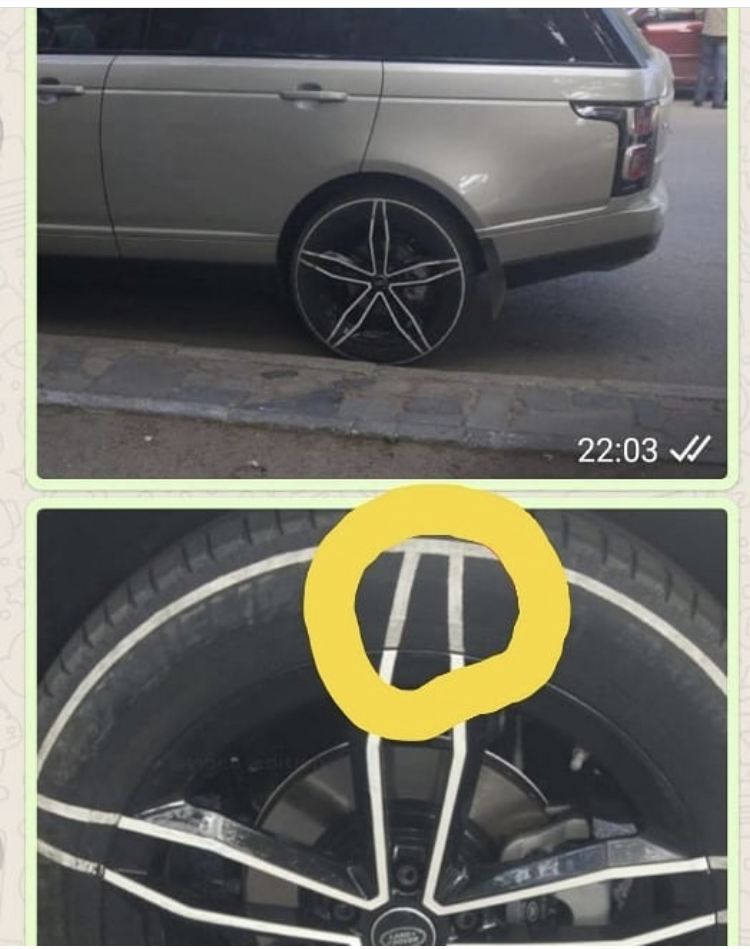
When you’ve spent your entire budget on your car, but really wanted to have those 24 inch rims
 1 point
 -
It's a good area things associated with lwb vehicles like getting stuck between 2 dunes happen to swb vehicles...1 point
-
Not always that wiggle test works I had to change a bush which looked perfect but still made sounds as they become old they loose their consistency to stay in one place under load1 point
-
I'm not changing the rear. think pajero runs on rear differentials? Just getting front upper arm and lower arm bushes replaced. Sure, I will let you know how it goes. I think the mechanic should be able to check this in a garage. They usually do a small drive around, but if u specify it for them they'll check it directly. You can try Mohsen, the guy I go to, he's pretty good with Pajeros (0529533434).1 point
-
1 point
-
The title should be who owns who. As to exactly who made my previous car. I knew exactly who made my car because his name and signature was on a brass plaque from Land Rover Special Vehicle Division on my door jam.1 point
-
Looks like he has plenty of water and bottle of cola to beat the heat, Oh wait ...I see a magic carpet as well !! (Aladdin inspiration1 point
-
1 point
-
YabbaDabbadooooo !! Due to circumstances I have been missing out on this area several times although it’s the one closest near home. I’m definitely in !1 point
-
Nice choice of area for waking up intermediate drivers whole night. Can't miss it.1 point
-
One time it was me pulling him from a soup soft sand pocket as he ignored my radio of "Don't Come". On third little harder tug frontend was out, it was because of back design partially as hook was not on frame.1 point
-
I haven’t seen this mentioned yet. Giving a sharp tug or snap may very well exceed the rated capacities. One of our resident off roaders who has lost his front end in more than one occasion can maybe comment on this 😬1 point
-
Old trick, always works with me. Take cash with you, dont talk price over the phone. Go see the car, test drive it etc etc once you know its a good one and you want it. dont make any Ill let you know, lets make an appointment to get it checked at xyz a few days from now etc etc. Take out the cash of what you want to pay for it and slam it on the hood. look mate heres the money, serious buyer here with cash in hand lets go now and transfer it and save your self the trouble of showing the car everyother day to tyre kickers. 9 times out of 10 this has worked for me. maybe 1 or 2k up and down from the offer made. Pressurize the seller into selling it.1 point
-
1 point
-
1 point
-
For the people that have some spare time, this link below is like the bible of recovery: http://www.pirate4x4.com/tech/billavista/Recovery/ The indicated mire resistances are even rather higher here than the previous article:
 1 point
 -
Thanks buddy. The tow capacity of a vehicle is a theoretical calculation of the load that a vehicle should be capable to tow, like a boat or a trailer. This is taking into consideration that the car should be able to be strong enough to take that load onto hills, so engine and transmission power comes into play. As you won't find a pulling capacity of a car on the OEM specs, i think it's safe to use the towing capacity as a good starting point. After all, the trailer hitch is also mounted to the engine frame, just as the towing or recovery points. It would definitely have helped to spread the total load over 2 side tow points to evenly distribute the total load. But again these are indications and ballpark numbers. My proposal would be in case of certain recoveries, to use the calculator as a kind of rating from easy to severe. In the classification of serious or severe, it becomes advisable to: 1) Spread the load between 2 tow points. 2) Use the towpoint safety straps. 3) Do a buildup of several small pulls. 4) Look for alternative solutions.1 point
-
Superb research and fact finding to help everyone with the ballpark numbers before we carry out any recoveries. Also any idea, if Xterra would have would used both side tow points, would have helped...? Also any vehicle towing capacity and pulling capacity is same?1 point
-
1 point
-
1 point
-
I don't think so, specially dragon mart bargains.1 point








This leaderboard is set to Dubai/GMT+04:00