
Leaderboard

Popular Content
Showing content with the highest reputation on 09/23/2020 in all areas
-
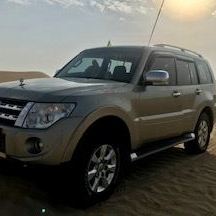
Hi Brette, @Gaurav I took ownership of a wrangler 2014 this week from a EK pilot with 20,000kms on it. Thanks for the encouraging advice. I want to speed up movement and learn faster. Did not want to damage the 5.7 just incase. Pls pive me extra brownie points for being real good enthusiast!11 points
-
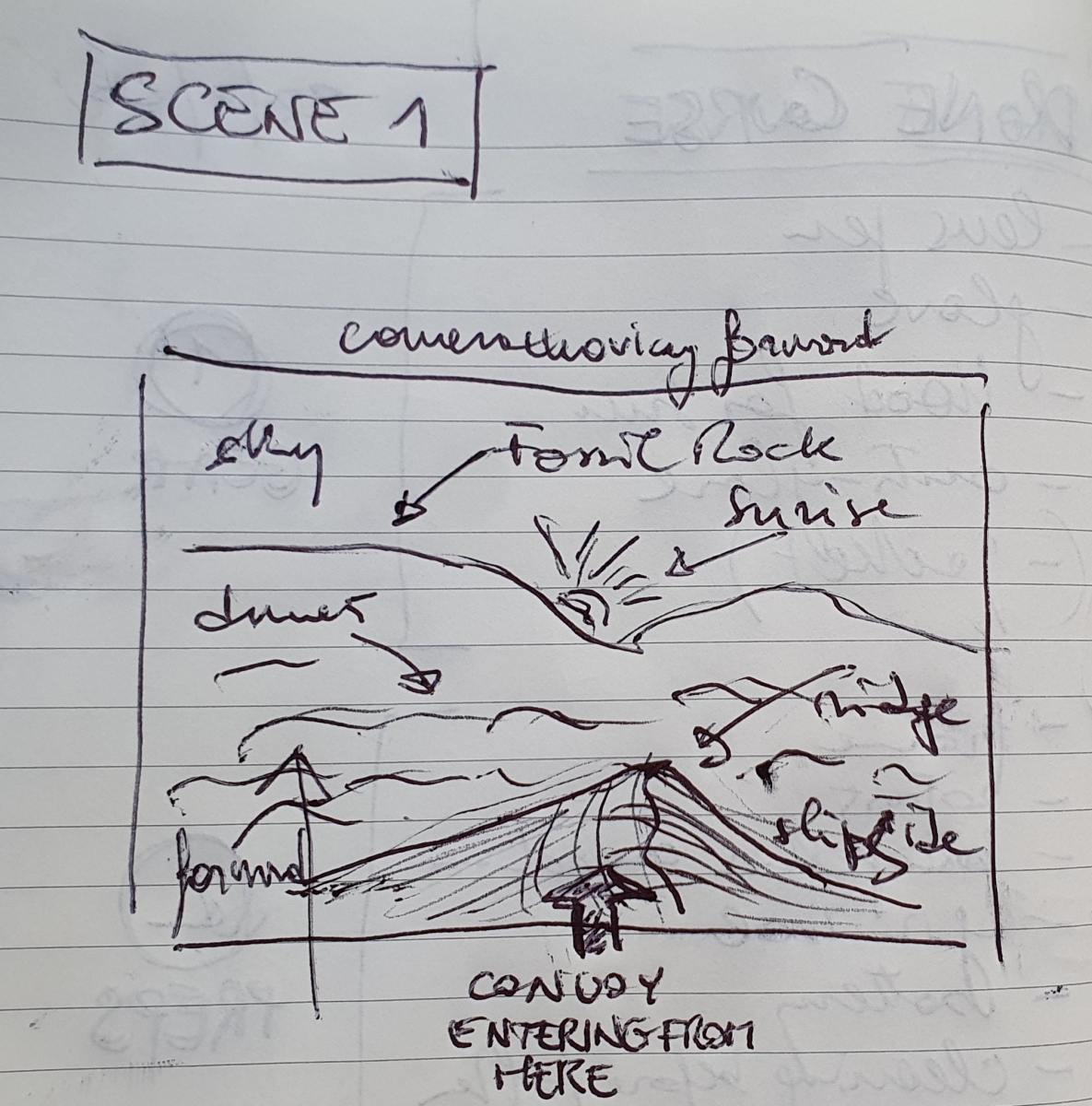
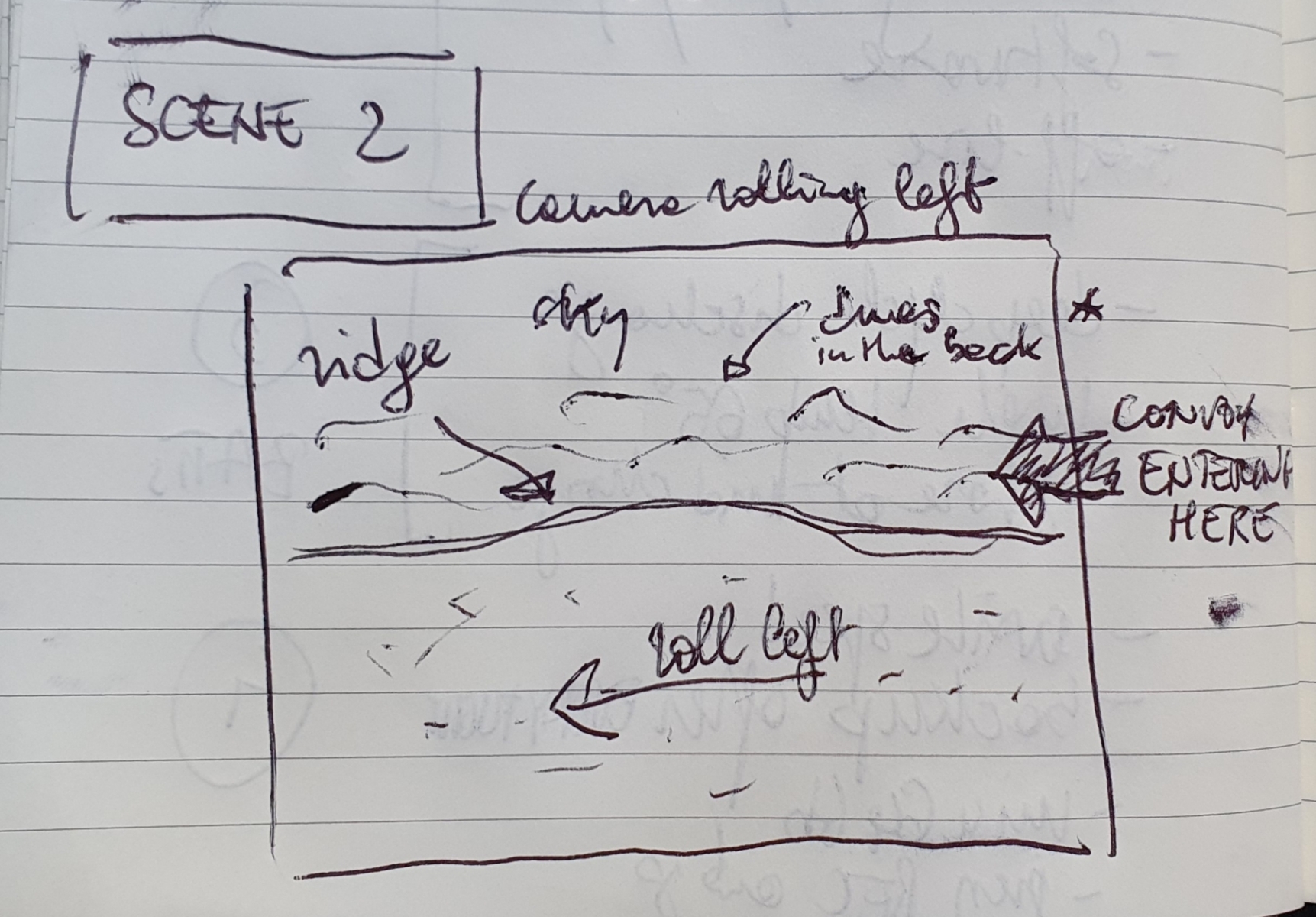
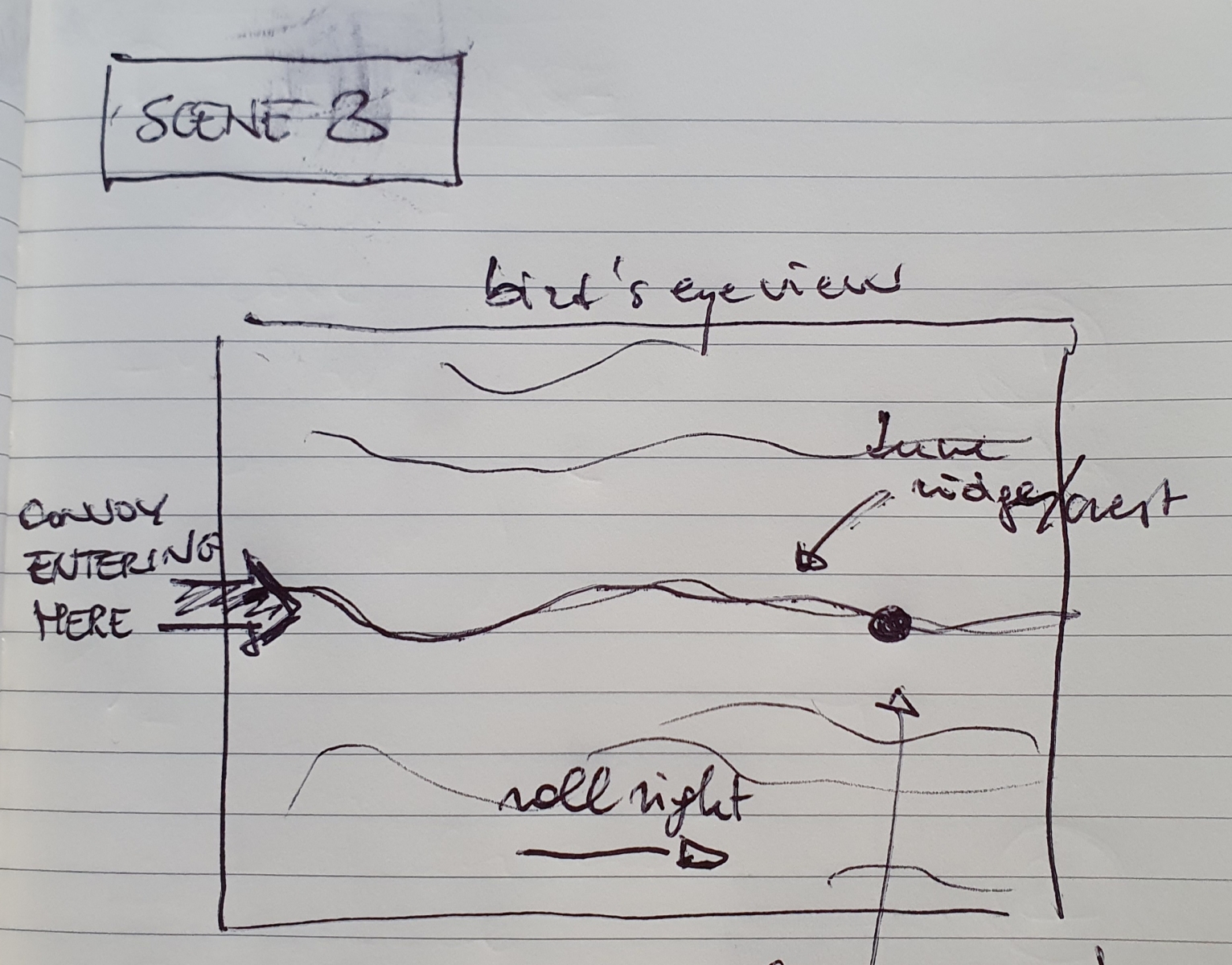
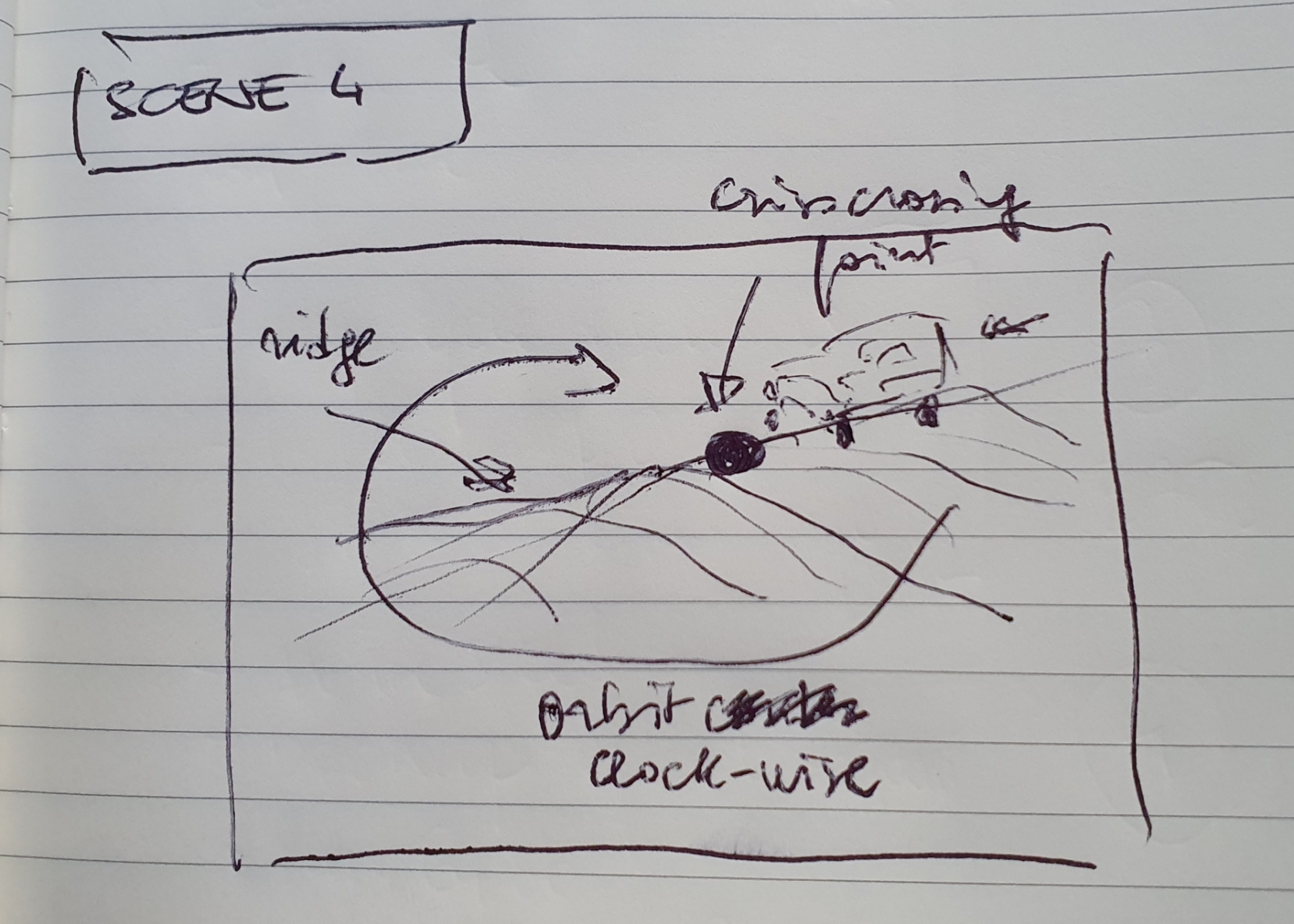
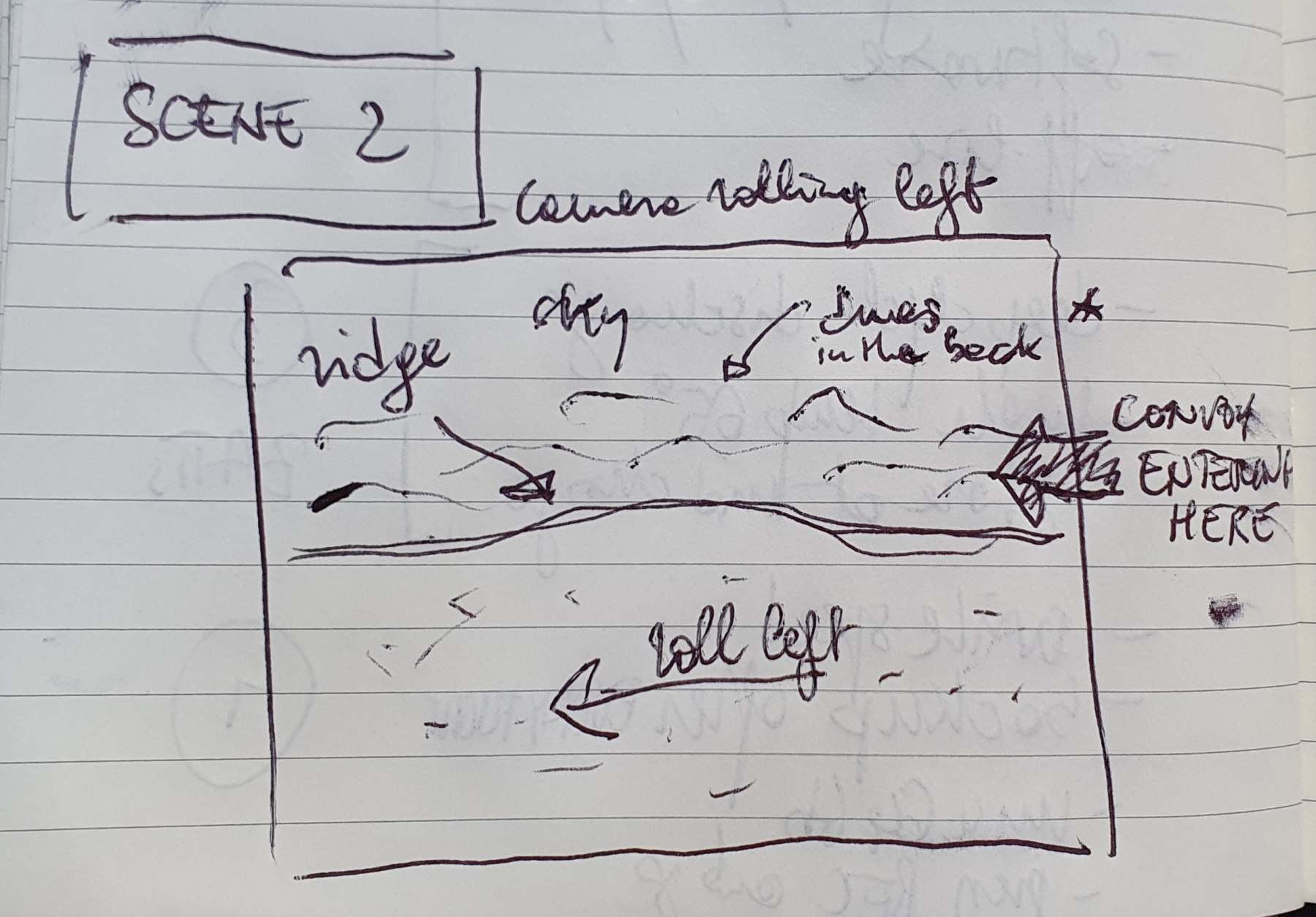
As promised, let us get started with the Carnity Leaders DRONE CHALLENGE. First of all, I would suggest we establish the foundations for the challenge, i.e. we define a basic understanding of what we should be aiming for. In order to shoot some great drone videos, there is obviously a bit of homework to do.. In the following I tried to put toghether some basic infos as a starting point of reference for whoever will be curious. Obviously these are just humble suggestions, as the game here is to do this as a collective community effort, with everyone's contribution to improve the original idea. 1. SUBJECT If we were in professional context, we could say we have defined the broad SUBJECT, which is essentially the overarching idea of the challenge itself (ie producing a showreel of highly cinematic off-roading videos shot by drones during real Carnity drives, taken each time during a different ride at a different location as conceived by the drive leader) and we now have to work on the video treatment and screenplay / storyboard. 2. TREATMENT For each shooting session during a drive, the TREATMENT is a brief description or, better, a short story of what whould happen in the video to be shot during the ride. It is usually written in the present tense and describes events as they happen. Example: "In an early morning drive, the quiet yellow dawn with the skyline of Fossil Rock on the horizon is awaken by a Carnity off-roading convoy heading toward the sunrise. The cars swiftly ride east, along the ridge of a long dune. After some some prolonged ridge riding, the Leader criss-crosses and suddenly dives nose-down on the slip-side to the right, with the rear left wheel floating in the air for a second and sand flying all around. As the rest of the convoy gets past the ridge, the convoy continues its quest for the next dune to climb." The treatment should be the Leader's call, as it requires the choice of the location, of the timing and of the story to be told. Don't set boundaries to your ideas for treatment, as there are tons of off-road stories to tell... Don't just think about riding cars: think about wheel tracks, landscape and sceneries, viewpoints, driving paths, off-road maneuvers, refusals, stucks and recoveries, play areas, animals, trees, bushes, wrecks, sunsets, sunrises, inflation, deflation, flags.. You've been there, you name it! 3. SCREENPLAY / STORYBOARD Next comes the SCREENPLAY, which is a detailed written description of the single scenes to be shot and of the desired camera movements, which may be complemented by a STORYBOARD, ie sketches of the key frames of each shot to help fixating the ideas. Example (forgive my awful sketching 😂😂😂😞) Scene 1 Exterior - Dune Ridge pointing East, on the west side of Fossil Rock. Not more than 30' mins after sunrise The dawn against the skyline of Fossil Rock fills the screen, with crests of nearer dunes lit by almost tangent sun beams. The drone camera slightly tilts down while reducing the altitude then starts moving forward, showing the ridge of a long dune in full display, aligned east. The 1st car in the convoy enters the screen from the bottom overtaking the camera, while the camera keeps on rolling forward at slow speed approx 5m above the ridge, allowing for the following cars in the convoy to enter the scene and eventually leave the camera behind. Scene 2: Same setting / time as Scene 1 Same or similar dune as above. The drone camera slowly rolls left moving parallel to the ridge line, at an altitude slightly lower than the ridge top. The convoy enters from the right side of the screen: as the 2nd car enters, the camera builds up speed and tracks the vehicle from the side for 5 seconds then, while rolling left, slowly gains elevation and gently tilts down, revealing the scenery on the other side of the ridge. Scene 3: Same setting / time as Scene 1 Same or similar dune as above. The drone camera is positioned 30m above ground, tilted 90 degrees down (bird's eye view). The dune ridge is captured parallel to the horizontal screen side, while the camera slowly rolls right. The convoy enters the screen from the left, seen from above. As the convoy moves in the camera increases altitude to approx 80m. The shot ends when the convoy exits the right side of the screen. Scene 4: Same setting / time as Scene 1 Same or similar dune as above. The camera stands next to the criss-crossing point, pointing east and down with a 45 degrees tilt. As the leading car enters the screen from below, the camera starts a fast clock-wise orbit at constant altitude with a slight parallax, capturing the criss-crossing at approx 180 degrees and the slip-side dive while reaching 270 degrees in the orbit. " As you can appreciate, conceiving a sceeenplay requires some more technical understanding of how drone shots could be made: the preparation of a mini-screenplay like the one above (which took me 10 mins, so no big deal timewise) will be done in cooperation with the drone pilot, ie myself. It again requires a lot of input from the Leader, who should have a clear idea of the spatial context where the shooting will happen, but may as well benefit from the ideas of all convoy members. We won't have much time to debate on-site, so this exercise should be mostly prepared beforehand if we want to keep the time slot for the drone challenge within the 15' plus prepping. 4. EXAMPLES OF CINEMATIC DRONE SHOTS For the purpose of enabling the best ideas for screenplays, I suggest everyone interested should have a look at the youtube video below, which exemplifies 20 of the most commont cinematic drone shots (ie shots where the camera motion is urilized to obtain a cinematic effect): https://youtu.be/BdtHWr_nDeU. Having seen these 20 simple examples, I believe you will all have enough to fancy your screenplay. In addition, bear in mind we cluld do time-lapses (ie accelerated shots, ie 15' accelerated in 30" for example) or slow-motions (ie decelerated shots, where we can reduce the speed down from 100% to 25% without any image quality loss). Also, bear in mind that the drones we will be using do not have optical zoom lenses, i.e. They are equipped with fixed focal lenght lenses. Zooming effects can be achieved either by physically zooming in or out by moving the drone forward or backward or (less advisable and with some limitations) in post processing, i.e. during video editing. 5. LIGHT As all of you who like photography know, the best images are always shot in those magic 15 mins after sunrise and before sunset, when colors and natural contrasts between highlights and shadows are enhanced by a less overwhelming light coming from much more interesting angles. Luckily, our drives are always planned to include such moments, thus there will be plenty of opportunities, nevertheless we can take beautiful videos in full daylight (we will use ND filters if there is too much light), so don't feel forced to frame the shooting session in those key minutes all the times. 6. LOGISTICS AND DRIVE PLANNING / EXECUTION The example above would require the convoy to ride along a dune ridge, criss-cross, dive down on the slip side and return back at the beginnig of the ridge for at least 4 times, which can be easily done in not more than 10 mins. Every round should be started by radio comms with the drone pilot, to ensure he is ready for the relevant shot. The whole convoy should be specifically briefed. (Needless to say we don't necessarily have to shoot multiple scenes at the same location, however edited/cut video looks much better if you can tell the story using multiple videos from different angles and movements) Setting up the drone and briefing the convoy will take approx 5 mins, and another 5 mins will be needed to store it back safely. Flying time can last up to 25 mins with a battery (and I typically have a set of 3) but I would expect to keep the drone in the air not more than 15 mins. It may however happen that a shot needs to be repeated, as not always things go right the 1st time, especially when there are synchronized movements, thus I'd factor in another 5 mins of contingency, for a total stop of 30 mins, during which, however, the convoy (except me and a volunteer acting as my crew/spotter and anyone curious to stand by and watch from a drone safe and Covid-19 social distance rather than driving) will be mostly driving back and forth. In the above example, we would probably take approx a 15' continous video shooting, but all 4 scenes above would then be cut and edited into a videoclip which should last indicatively not more than 120" max, otherwise it gets boring and repetitive. 7. SAFETY As expected from professional drone pilots, the safety of all convoy members and bystanders, the pilot/crew own safety and the integrity of the cars, any property and, of course, of the drone itself will never be compromised. This means we won't do any crazy high speed maneuvers, we will never fly close to people, we will respect no-fly and geo-fenced zones (if any), altitude (120m) and range limits (500m) for hobbyist flights, will always fly with VLOS (visual line of sight, i.e. never on a purely instrumental flight) and won't fly at night. I hope the above helps. I can't wait to spin my propellers! 😂😂
.jpeg.0c95edba4acf428418ace63af91e8779.jpeg)
 7 points
 -
4 points
-
I guess I've just developed patience and humour to keep me calm on the roads. Plus I realize that everyone besides me needed to reach their destination yesterday, so they're already running late.4 points
-
3 points
-
I am having a small car and SUV both. I am hardly getting any tailgating. Key is i am always driving on the speed limit, which makes me most of the time fastest one on the road and i am leaving the left line empty as much as possible. Cars i am seeing tailgated are driving on the 2th lane 90km at 120km road. Or on the left lane 100-110km on 120km road. They are thinking they are fast enough. There are freaking 6-7 lanes on the road they are acting like there is only 2 lane available. Most of these people are not moving right unless you get really close to them, even right lane is totally empty!. If you keep distance with them they are thinking you are alright behind them.3 points
-
congratulations with your new ride3 points
-
As someone who has worked in garages in Dubai for the last 5 years, I can say that 9/10 cars I have repaired have been either front or rear end damage, ie damage from tailgating. Rarely do I see cars that were involved in other types of accidents other than a parking scrape here and there. Also f**k people who like to tailgate and bully other cars just because they are smaller. Everyone has the same right to be on the road and we are all just trying to get somewhere. Having a bigger car will never add 2 inches to your appendage. I used to love my 10k Sunny company car. Yeah your big 4x4 is worth 200k but you want to try me? I’ll put us both off the road and it will cost me a lot less.3 points
-
2 points
-
Hi Emmanuel, pls confirm me for the drive. Appreciated and looking forward to it. Rgds, Andy2 points
-
@Anand Nataraj you have been added on the drive list. Please confirm your attendance.2 points
-
@Nihal17 @Mahmoud ALhamed @Ranjan Das @Abhilash Nair please share the following information : - Please share your vehicle details - Make, Model, Year. - Do you have any prior off-road experience? - Confirm your vehicle has front and rear tow hooks / eyelets. Also, please ensure that you go through the Absolute Newbie Briefing Video posted in the original drive post. This is important for the safety of you as well as your vehicle.2 points
-
Thanks @Chaitanya D. But I'm a bit under the weather.. Not so sure if I will be able to make it to this drive.. So I prefer to be in the waitlist and let someone else grab the confirmed slot. Thanks again for informing.2 points
-
I think almost everyone identified tailgaters as one of the main problem. Thankfully, with a 4x4, the likelihood of this happening is rather low but I still get some from bigger SUVs. However, as Barry had pointed out, I have witnessed a fair number of smaller cars being tailgated by taxis, sedans and SUVs of various sizes.2 points
-
1. Drivers who do not merge in turn - this really grinds my gears! They inch forward by 2 inches acting like they've just conquered the New World. If they would just merge in turn (when there's a lane closure or whatever) then traffic would keep moving at a faster pace. 2. Inconsiderate drivers - those who sit in the inside lane when there is an on ramp ahead thus forcing the driver trying to merge with the main carriageway to slow down to a snail's pace to get on and then having to floor it. Just move to the middle lane!!! 3. Incondierare drivers part deux - they hog their lane when you have had your indicator on for a lifetime trying to make an exitr or whatever , again....MOVE OVER! 4. Tailgating - the tailgating that occurs here is the worst I have ever witnessed. The police should focus their resources on stopping this incredibly dangerous practice. I would love to know the stats re the number of RTAs caused by tailgating in Dubai.2 points
-
People who let their kids jump around in the car with no seatbelts. Bonus points for the woman in the passenger seat bouncing a baby on her knee. The above is my number one but I could write a full essay on this and I don’t want to breach the character limit.2 points
-
Invincible 5 lane cutters in 1 sec to catch an exit - Biggest fear and threat to all road users. Tailgating you on slow lane when you are cruising on perfect speed limit - 80 on 80 road, 100 on 100 road. When you slow down to stop on orange light, but guy behind you want to play Need For Speed.2 points
-
1. Taxi with a green light on top with no passengers 2. Old Corolla or sunny in 2nd lane , at 70 kmph on a 120 kmph highway 3. You yourself , sometimes unknowingly end up doing all listed here🤣2 points
-
@Emmanuel drive is now updated to fewbie drive, some places there if you are interested @Sreejith Sreenivasan2 points
-
Hi @Gok Krish and welcome to Carnity. I drive the JGC as well but mine is the 3.6 limited. I did buy this version specifically because I knew that I would be using it in the desert alot and it did have the option to remove the lower bumper facia in the front and back. With the summit, the quadralift helps if you are moving at a slow pace or rock climbing as you can increase it to ride height 3 and that gives you about a 2 inch lift. On the flip side, that is again controlled by 1 of the many programmed chips the vehicle has and if you drive over a certain speed, the chip thinks you are no longer off-road and drops the ride height accordingly which can be a problem at higher levels of drives when the pace increases. Since you have just started off and done just an absolute newbie drive, I would say to do a few more newbie drives on a regular basis on ride height 3 to get a feel of the vehicle and how it handles at that height as these drives are not fast paced. After that is when you would need to take a call on whether you have to do some modification to the vehicle based on if you are going to continue this sport as the higher up the ladder you climb the more you will have to work on to block out all these chips from controling the vehicle so you as a driver have control of what you want the vehicle to do. Feel free to call me anytime 52,677,1076 if you have any other questions and also keep this thread updated with what you end up doing. Over the last few months I see the grand Cherokee numbers have increased so this topic can be a reference point for others too.2 points
-
For those travelling from Dubai, Sharjah and Northern Emirates Please ensure that you book an appointment for the DPI test at Ghantoot for 2nd Oct between 3:30 AM to 4:00 AM. Slots are available but are limited. https://ghantoot.quantlase.com/appointment/update-details/ Please confirm on the drive thread that you have booked your slot. This drive is organized in full compliance with the COVID19 guidelines. We expect every member that joins this drive to go through below information and and strictly follow these guidelines in order not to jeopardize someone's health, and to ensure we can keep organizing these drives safely. MUST READ AND TOTALLY AGREE: COVID19 Precautions MUST READ AND TOTALLY AGREE: BAN POST Two Way Radio Guidelines Every Offroader brings his own radio, programmed to the frequencies described in below advice topic. We will not share spare radios or program your radio on the drive. If you need assistance in programming the radio, post a topic on the Carnity website with your questions and we will help you out. Make sure your radio is fully charged. It will be your only way of communication while driving. Before buying, please carefully read below advice so you are informed properly on which model / cost / shops... No radio = No drive. It is an essential tool and you should make sure you bring it on every drive and learn/practice how to use it. Drive Details Level: Intermediate and Above When: 2 Oct 2020, Friday. Meeting time: 5:30 AM (SHARP - Without any exceptions) Meeting Point: - https://goo.gl/maps/uB95ozqowLGVBBF5A Type of Car: Any proper 4x4 with front and back tow hooks and 8-10 inches of ground clearance. What to bring along: Loads of water, snacks (for yourself), smiles, face mask, rubber gloves, enthusiasm and willingness to learn. Approximate finish time: 09:30 AM LIMITED SPOTS AVAILABLE: Limited to 12 cars only. 1 Lead Marshal + 1 Senior Members + 10 Members. If the RSVP is full and you wish to join, please mention your name on the drive thread to add on the waiting list. Latecomers will be returned back - without ANY EXCEPTIONS. Members without RSVP will be returned back - without ANY EXCEPTIONS. Please withdraw your RSVP, if you aren't joining, so your spot can be taken by others. Repeated no-show members after RSVP will have their account suspended for a month. PLEASE RSVP THE BELOW CALENDAR EVENT1 point
-
This drive is organized in full compliance with the COVID19 guidelines. We expect every member that joins this drive to go through below information and and strictly follow these guidelines in order not to jeopardize someone's health, and to ensure we can keep organizing these drives safely. MUST READ AND TOTALLY AGREE: COVID19 Precautions MUST READ AND TOTALLY AGREE: BAN POST Two Way Radio Guidelines Every Offroader brings his own radio, programmed to the frequencies described in below advice topic. We will not share spare radios or program your radio on the drive. If you need assistance in programming the radio, post a topic on the Carnity website with your questions and we will help you out. Make sure your radio is fully charged. It will be your only way of communication while driving. Before buying, please carefully read below advice so you are informed properly on which model / cost / shops... No radio = No drive. It is an essential tool and you should make sure you bring it on every drive and learn/practice how to use it. Drive Details Level: Intermediate and Above When: 25 Sep 2020, Friday Meeting time: 5:30 AM (SHARP - Without any exceptions) Meeting Point: Big Red Adventure Tours: https://goo.gl/maps/j32aMfpLK1KCtqak7 Type of Car: Any proper 4x4 with front and back tow hooks and 8-10 inches of ground clearance. What to bring along: Loads of water, snacks (for yourself), face mask, rubber gloves, enthusiasm and willingness to learn. Approximate finish time: 09:30 AM End Point: Tawi Gadaya THIS IS A COMPRESSOR ONLY DRIVE. WE WILL STARTING AND ENDING THE DRIVE AT THE SAME POINT, WHICH IS NOT CLOSE TO AN AIR LINE. IF YOU DO NOT HAVE A COMPRESSOR, PLEASE DO NOT SIGN UP FOR THIS DRIVE. IF YOU ARRIVE AND HAVE NO COMPRESSOR YOU WILL NOT BE ALLOWED TO JOIN THE DRIVE. LIMITED SPOTS AVAILABLE: Limited to 10 cars only. RSVP will close on Thursday - 9 AM. 1 Lead Marshal + 1 Senior Members + 8 Members. If the RSVP is full and you wish to join, please mention your name on the drive thread to add on the waiting list. Latecomers will be returned back - without ANY EXCEPTIONS. Members without RSVP will be returned back - without ANY EXCEPTIONS. Please withdraw your RSVP, if you aren't joining, so your spot can be taken by others. Repeated no-show members after RSVP will have their account suspended for a month. PLEASE RSVP ON THE BELOW CALENDAR1 point
-
Very complicated stuff explained in a very easy to understand language. @Gaurav bhai would you like to start with the story board, likely terrain, place and time to shoot this out. I believe the best lead for this will also be @Gaurav bhai as he really creates beautiful and adventurous routes. I am in with full support as required @Lorenzo Candelpergher. Never good at photography or angles or light. Will follow your orders like a good boy.1 point
-
Hello - Please share your vehicle details - Jeep Wrangler Sahara , 2018 , - Do you have any prior off-road experience? - No - Confirm your vehicle has front and rear tow hooks / eyelets.- yes available1 point
-
Hi @Srikumar Thanks for adding. I’ll be joining the ride.1 point
-
Hi Srikumar, My Details: LR Discovery 2019/No prior experience/front & back tow hooks confirmed1 point
-
My list in no particular order is as below: 1) indecisive or unpredictable drivers - you can never tell when the person will brake, turn or stop. 2) tailgaters on the slow lanes 3) distracted drivers - most of the time the person will be on the phone What are yours? Good to share so that we can avoid some bad habits that may endanger other road users.1 point
-
When did you lose the passion and why? Dominance of a particular team or too many rules changes?1 point
-
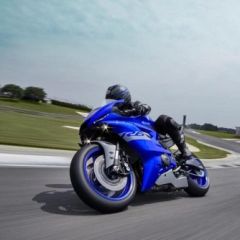
F1 is a long lost passion for me. Motogp is where thrill meets passion, talent and everything else in the world. Race Sunday’s I will be at home before 4 to watch it live on wide screen.1 point
-
There used to be Sarah who used to email me for all the events. Unfortunately I've stopped attending all Marshal events for past 5 years and Sarah stopped emailing me. I will try to dig up some old emails from my archives if I still have them. No luck so far. You can always visit EMSF office in Mamzar, they're open from 8 am to 2 pm for public.1 point
-
@Christian Andras no I didn’t. Unfortunately this drive is full now, sorry. Hope to see you another time.1 point
-
@Emmanuel Did u remove my name from this list? I am 100% sure I was on before...1 point
-
Drive wait list @Gok Krish - Posted Sunday at 07:05 PM @Sreejith Sreenivasan - Posted Sunday at 07:25 PM @Kieran McKeown - Posted Sunday at 07:54 PM @Sandeep Padhi - Posted Sunday at 10:44 PM @SyedObaid - Posted Monday at 11:51 PM @abdallah hussein - Posted Tuesday at 10:36 AM1 point
-
People on the left line under the speed limit.1 point
-
1. There was an article a couple of months ago that kids below the age of 12 don't need to take the COVID test to enter Abu Dhabi. But the rules might have changed so I am not sure. 2. We are all doing drives because there are no symptoms, but in case the test is positive and you are asymptomatic I presume you will most probably have to be in quarantine in Dubai. That's why they say sometimes ignorance is bliss. 😁1 point
-
Hi @Emmanuel there are few on waiting lists , they might not seen it . Can you announce the change to what’s up Carnity drive notification please?1 point
-
Hi everyone, We have decided to change this drive from fewbie plus to (regular) fewbie level due to the low number of sign-ups. There are 3 spots left for fewbies who haven't found one yet in other drives. @andy_macdxb I added you, please let me know in case you couldn't attend.1 point
-
untilDrive Details Level: Fewbie and Above When: 25 Sept 2020, Friday. Meeting time: 5:30 AM (SHARP - Without any exceptions) Meeting Point: Faya https://goo.gl/maps/nZYjoo8muXePTmRj7 (note that our meeting point will be slightly inside desert, so you will have to deflate before entering) Type of Car: Any proper 4x4 with front and back tow hooks and 8-10 inches of ground clearance. What to bring along: Loads of water, snacks (for yourself), smiles, face mask, rubber gloves, enthusiasm and willingness to learn. Approximate finish time: 09:30 AM End Point: E102 near ADNOC gas station1 point
-
Excellent Drive indeed!!! Thank you all for this amazing day! And looking forwards to the next ones! 😎 Great one! Thank you for the video! And good job on your recovery1 point
-
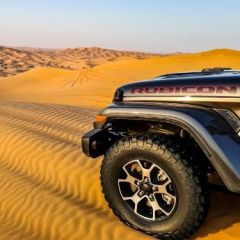
Dear Relay Riders. Carnity is very pleased to present you with another, brand new, area to visit during our weekend drives. This time, we have explored, and chosen for you, the stretch of dunes between the farming villages of Margham and Lahbab. This is an area that some of you may know also for the presence of one the Royal villas. Perhaps for this reason, it is very little visited by off-roading clubs, with the few tracks that one encounters mostly made by locals. The terrain is mostly made of low yellow colored dunes, not very high and with frequent openings between cordons, that allow an intricate, yet quite safe, navigation. Some low bushy vegetation is present (as almost everywhere else this year) but less dense than in other areas nearby. There is also a very nice play area, of relatively taller dunes, presenting some large sand bowls. The skills required to complete the drive successfully will be controlled driving over technical dunes, side sloping techniques, and principles of ridge riding and crossing over (low dunes). In order to allow more drivers to enjoy this nice new playground, we have decided to launch the "Relay drive" format. As explained in the post's Action Plan, we have organized 2 separate convoys (this one and Ale's), that will follow roughly the same path, but each leaving at opposite ends, and exiting at the other convoy' starting point. The 2 convoys plan to meet halfway through the drive to exchange a symbolic "baton" (like in a relay track race). We think the "relay" format is a safe way to drive 2 convoys through the same area, rather than creating one convoy, too large to manage effectively.1 point
-
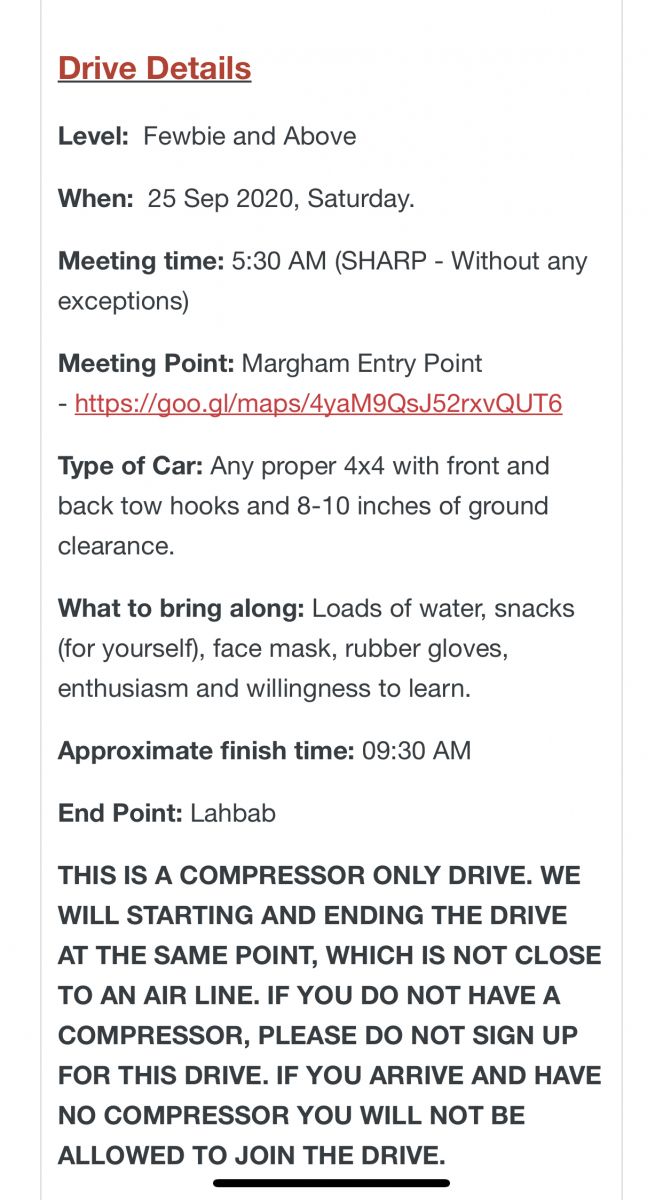
@Wrangeldcan you please confirm the date/day of the ride...it’s mentioned Sep 25th Saturday...25th is Friday
 1 point
 -
@Wrangeld Hi Richard, could you please add me to the waiting list? Thanks 🙏1 point
-
@Sreejith Sreenivasan thank you for this wonderful video. @Mohamed Seidam thank you as well for video at the back side of recovery.1 point
-
@Mohamed Seidam I uploaded these in the recoveries thread as well as you suggested. Thanks.1 point
-
Here is @RaYan E's recovery video. Only the part visible from where I was..1 point
-
@Sreejith Sreenivasan thank you for sharing as the back of the convoy couldn’t witness it , but now we know . @Srikumar instructions to @xavier and @Janarthan execution upon instructions were a school by all means. My Observation of stuck vehicle : self recovery attempt didn’t succeed despite shoveling and Rare diff lock , ( the ground sticky leveled , so essentially as if the 4 tires were at equal resistance but barely on ground ) . Just one question please : more deflation was done before or after shoveling ? ! observation of the recovery vehicle : utilized the gravity slope down to let “ winch “ and eventually recover . please @Sreejith Sreenivasan can you add these two to the thread :the greatest of recoveries . I put there already two that I Had the chance to witness my self. cheers 👍🚙🙏🏻1 point
-
Here is the full recovery video of Xavier.. It has a lot to learn. Listen carefully for the instructions given by Srikumar.. Thanks @Srikumar for the wonderful drive. I have 2 more videos from today’s drive.. Will add it to the post in a while. Thanks everyone and see you soon!1 point
-
This caused me start dreaming.1 point
-
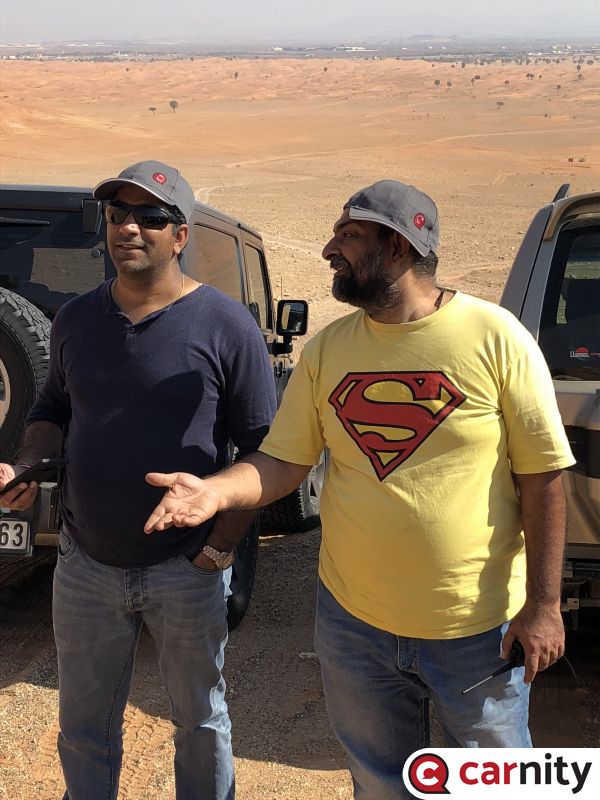 Superman and Ironman !1 point









This leaderboard is set to Dubai/GMT+04:00